في المؤسسات الحديثة؛ لا يكاد يخلو تقرير إستراتيجي أو اجتماع قيادي من ذكر «إدارة المخاطر»؛ بوصفها أداة جوهرية في تعزيز الاستدامة والجاهزية، غير أن ما يُمارس تحت هذه اللافتة لا يكون دائماً على قدر التوقعات، فثمة فجوة متنامية بين ما يُخطط على الورق، وما يُنفذ في الواقع، هذه الفجوة نتج عنها ما يعرف بـ«مسرح المخاطر»، إذ تُوجَّه الجهود نحو أنشطة ظاهرها الحوكمة، وباطنها تكرار شكلي لا يسهم في خفض المخاطر الفعلية أو تحسين القرار تحت ظروف عدم اليقين.
من أبرز ملامح هذا «المسرح»؛ الاستخدام الواسع لأدوات الذكاء الاصطناعي مثل (ChatGPT)، بشكل يوحي بالتقدم الرقمي، لكنه يخفي غياب الوعي أو المعرفة المنهجية بإدارة المخاطر.
تُستخدم هذه الأدوات لإنتاج تقارير أو نماذج بشكل سريع ومبهر، لكنها كثيراً ما تكون خالية من الفهم العميق للسياق المؤسسي أو لآليات تقييم ومعالجة المخاطر، والنتيجة: إنتاج شكلي يُرضي المتطلبات الشكلية، دون تعزيز الحماية الفعلية للمؤسسة، حيث تبدو المؤسسات في «مسرح المخاطر» بأن تُمارس هذه الحالة دون وعي، وذلك عندما تكتفي المؤسسات بممارسات ظاهرية لإدارة المخاطر؛ نماذج مملوءة آلياً، مصفوفات حرارية مجمّلة، تقارير تنتجها أدوات ذكية بلا تدقيق بشري، وورش تدريبية تكرر مفاهيم عامة لا ترتبط بواقع المؤسسة؛ كل ذلك يغذي وهم الحوكمة ويخلق شعوراً زائفاً بالأمان، بينما تظل التهديدات الحقيقية دون معالجة.
ثمة أمور تعرف المؤسسة أنها تطبق مسرح المخاطر:
أولاً: التركيز المفرط على استيفاء النماذج والقوائم دون تحليل واقعي.
ثانياً: تضخم التقارير من دون ترجمتها إلى إجراءات تنفيذية.
ثالثاً: الاعتماد على الذكاء الاصطناعي لإنتاج محتوى دون مراجعة مختصين.
رابعاً: انفصال تام بين أنشطة إدارة المخاطر والعمليات اليومية.
خامساً: غياب قياس الأثر الفعلي للأنشطة الوقائية مما ينتج استنزافاً وهدراً للموارد بإجراءات لا تقلل من المخاطر الواقعية.
سادساً: ثقة غير مبررة (أمان زائف) في تقارير تم توليدها آلياً بلا منهجية علمية.
سابعاً: التأخر في كشف المشكلات وعدم وضوح أولويات المؤسسة في الأزمات.
وللخروج من هذه الدائرة إلى إدارة مخاطر وفق المنهجية العلمية يجب:
أولاً: دمج إدارة المخاطر في صميم صنع القرار.
ثانياً: توظيف الذكاء الاصطناعي بشكل مسؤول، مع إشراف متخصص.
ثالثاً: تحويل الاهتمام من الامتثال إلى القيمة الفعلية.
رابعاً: تشخيص المخاطر بالأساليب العلمية وليس إلى نماذج جاهزة.
خامساً: التقييم بانتظام وربط الإجراءات بالنتائج الفعلية.
سادساً: تمكين ثقافة الوعي بالمخاطر بدلاً من ترسيخ ثقافة الخوف أو الشكلية.
علينا أن نعرف بأنه ليس الخطر في وجود المخاطر، بل في إدارتها بأسلوب غير فعّال، وليس (ChatGPT) هو المشكلة، بل استخدامه دون فهم عميق أو إطار منهجي.
«مسرح المخاطر» لا يحمي المؤسسات من الأزمات، بل يُبطئ الاستجابة لها ويخدع صناع القرار بمؤشرات زائفة. المطلوب:
هو نظام مخاطر علمي وظف التقنية بوعي، ويعزز القدرة على مواجهة المجهول بذكاء ومرونة حقيقية.

مسرح المخاطر.. بين المعرفة المنهجية ووهم الحوكمة
22 مايو 2025 - 01:31
|
آخر تحديث 22 مايو 2025 - 01:31


تابع قناة عكاظ على الواتساب
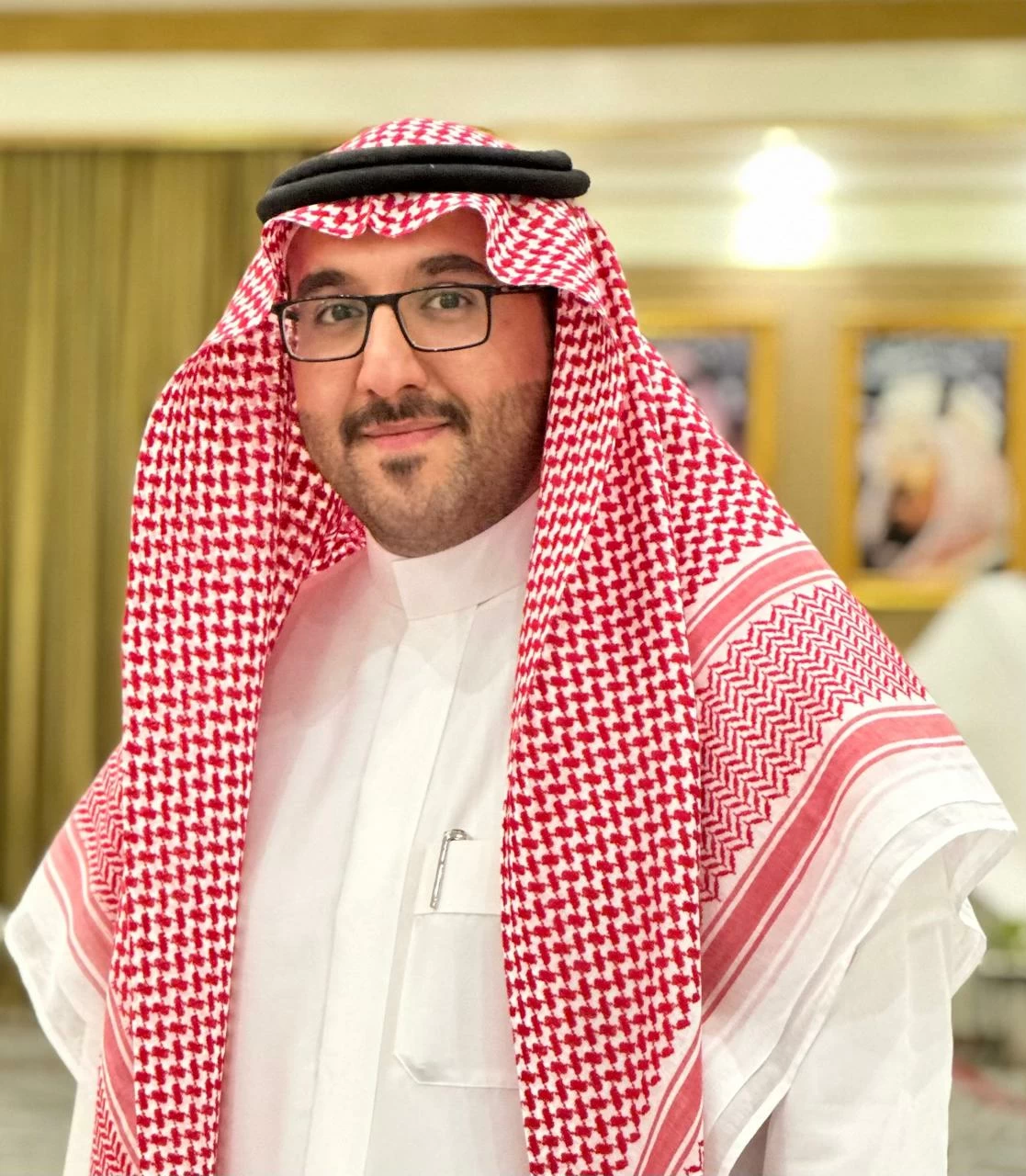
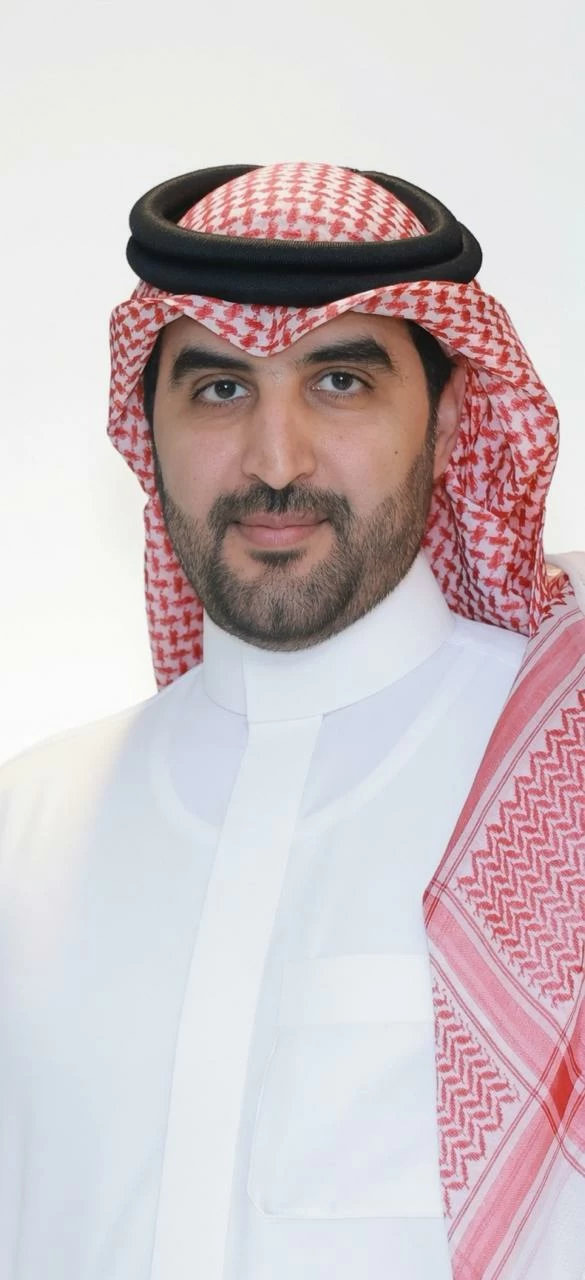
د. عبدالمعتني المزروعي
باحث في مجال إدارة الأزمات والمخاطر
Almazrou73@
In modern institutions, it is rare for a strategic report or leadership meeting to be devoid of mentioning "risk management" as an essential tool in enhancing sustainability and readiness. However, what is practiced under this banner does not always meet expectations, as there is a growing gap between what is planned on paper and what is implemented in reality. This gap has resulted in what is known as the "theater of risks," where efforts are directed towards activities that appear to be governance, but in reality, are a formal repetition that does not contribute to reducing actual risks or improving decision-making under conditions of uncertainty.
One of the most prominent features of this "theater" is the widespread use of artificial intelligence tools like (ChatGPT), in a way that suggests digital advancement, but conceals a lack of awareness or systematic knowledge of risk management.
These tools are used to produce reports or models quickly and impressively, but they are often devoid of a deep understanding of the institutional context or the mechanisms for assessing and addressing risks. The result is a formal output that satisfies formal requirements without enhancing the actual protection of the institution. In the "theater of risks," institutions seem to practice this state unconsciously, as they settle for superficial practices of risk management: automatically filled models, embellished heat maps, reports generated by smart tools without human scrutiny, and training workshops that repeat general concepts unrelated to the institution's reality; all of this feeds the illusion of governance and creates a false sense of security, while real threats remain unaddressed.
There are certain indicators that an institution knows it is applying the theater of risks:
First: An excessive focus on fulfilling forms and checklists without realistic analysis.
Second: The inflation of reports without translating them into executive actions.
Third: Relying on artificial intelligence to produce content without specialist review.
Fourth: A complete disconnection between risk management activities and daily operations.
Fifth: The absence of measuring the actual impact of preventive activities, resulting in the depletion and waste of resources through procedures that do not reduce real risks.
Sixth: An unjustified confidence (false security) in reports generated automatically without scientific methodology.
Seventh: Delays in identifying problems and a lack of clarity regarding the institution's priorities in crises.
To move out of this cycle towards risk management according to a scientific methodology, it is necessary to:
First: Integrate risk management into the core of decision-making.
Second: Employ artificial intelligence responsibly, with specialized oversight.
Third: Shift the focus from compliance to actual value.
Fourth: Diagnose risks using scientific methods rather than ready-made models.
Fifth: Regularly evaluate and link actions to actual results.
Sixth: Foster a culture of risk awareness instead of entrenching a culture of fear or formality.
We must understand that the danger lies not in the existence of risks, but in managing them ineffectively, and that (ChatGPT) is not the problem, but its use without deep understanding or a systematic framework.
The "theater of risks" does not protect institutions from crises; rather, it slows down their response and deceives decision-makers with false indicators. What is required:
Is a scientific risk system that employs technology consciously and enhances the ability to face the unknown with intelligence and true flexibility.
One of the most prominent features of this "theater" is the widespread use of artificial intelligence tools like (ChatGPT), in a way that suggests digital advancement, but conceals a lack of awareness or systematic knowledge of risk management.
These tools are used to produce reports or models quickly and impressively, but they are often devoid of a deep understanding of the institutional context or the mechanisms for assessing and addressing risks. The result is a formal output that satisfies formal requirements without enhancing the actual protection of the institution. In the "theater of risks," institutions seem to practice this state unconsciously, as they settle for superficial practices of risk management: automatically filled models, embellished heat maps, reports generated by smart tools without human scrutiny, and training workshops that repeat general concepts unrelated to the institution's reality; all of this feeds the illusion of governance and creates a false sense of security, while real threats remain unaddressed.
There are certain indicators that an institution knows it is applying the theater of risks:
First: An excessive focus on fulfilling forms and checklists without realistic analysis.
Second: The inflation of reports without translating them into executive actions.
Third: Relying on artificial intelligence to produce content without specialist review.
Fourth: A complete disconnection between risk management activities and daily operations.
Fifth: The absence of measuring the actual impact of preventive activities, resulting in the depletion and waste of resources through procedures that do not reduce real risks.
Sixth: An unjustified confidence (false security) in reports generated automatically without scientific methodology.
Seventh: Delays in identifying problems and a lack of clarity regarding the institution's priorities in crises.
To move out of this cycle towards risk management according to a scientific methodology, it is necessary to:
First: Integrate risk management into the core of decision-making.
Second: Employ artificial intelligence responsibly, with specialized oversight.
Third: Shift the focus from compliance to actual value.
Fourth: Diagnose risks using scientific methods rather than ready-made models.
Fifth: Regularly evaluate and link actions to actual results.
Sixth: Foster a culture of risk awareness instead of entrenching a culture of fear or formality.
We must understand that the danger lies not in the existence of risks, but in managing them ineffectively, and that (ChatGPT) is not the problem, but its use without deep understanding or a systematic framework.
The "theater of risks" does not protect institutions from crises; rather, it slows down their response and deceives decision-makers with false indicators. What is required:
Is a scientific risk system that employs technology consciously and enhances the ability to face the unknown with intelligence and true flexibility.