في ظل قيادة تستشرف الآفاق، تتحول الأرض من صمت التراب إلى أناشيد العمران، وتزهر الأحلام على مدنٍ تُكتب فصولها بماء الرؤية وألوان المستقبل.
قيادة ترسم المستقبل، ورؤية تعيد صياغة الحاضر، لتضع المملكة على خارطة التنافسية العالمية. فمن توجيهات خادم الحرمين الشريفين الملك سلمان بن عبدالعزيز وقيادة ولي العهد الأمير محمد بن سلمان انطلقت مسيرة المدن السعودية نحو آفاق جديدة، لتغدو الأجمل والأكثر جذبًا، والأكثر عائدًا واستدامة.
لقد بدأت وزارة البلديات والإسكان تنفيذ أوامر ملكية عبر أربعة توجيهات جوهرية:
• الرسوم على الأراضي البيضاء.
• رفع الإيقاف عن الأراضي.
• تنظيم العلاقة بين المؤجر والمستأجر.
• توفير أراضٍ للمواطنين.
وذلك بهدف إحداث توازن في السوق وتصحيح المفاهيم القديمة التي كبّلت التطوير لعقود، وفي مقدمتها المقولة المتداولة: «الأرض لا تأكل ولا تشرب». أما اليوم، فقد تغيّر المعنى، فالأرض إمّا أن تُعمّر وتثمر، أو تتحمّل تكلفتها.
من هنا بدأت الرياض بتحديد نطاقات رسوم الأراضي البيضاء، لتتألق كقبلة عالمية سياسية واقتصادية وترفيهية، بهدف أن تكون ضمن أفضل عشر مدن عالمية وأسرع المدن العالمية نموًا، وأكثرها إسهامًا في العوائد غير النفطية وهي المدينة والعاصمة التي تقود جودة الحياة، وتفتح أبواب جاذبة للمستثمر والمواطن والمقيم، لتصبح الوجهة الأبرز على مستوى العالم.
وإلى جانب الرياض، تمضي جدة بوابة مكة ومدينة اللوجستيك والسياحة، والمنطقة الشرقية بثقلها النفطي والعلمي، وأبها البهية بروحها السياحية، وسائر المدن التي تحمل على عاتقها جزءًا من خريطة رؤية 2030. إنها لوحة متكاملة لا يفي مقال واحد برسم ملامحها.
إن القرارات العقارية المتتابعة ليست سوى بداية، إذ تهدف إلى تحريك السوق، كسر الاحتكار، وتمكين المواطن والمطور والتاجر والمستثمر من صناعة مستقبل عقاري أكثر حيوية وعدالة.
بهذا النهج، تتحول الأرض من أصلٍ راكد إلى فرصةٍ منتجة، ومن عبءٍ صامت إلى رافعة تنموية تُسهم في اقتصاد وطني متنوع ومستدام.
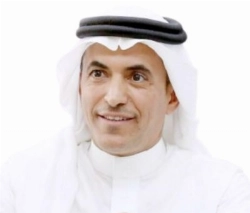
حجاب بخيت الذيابي
قيادة ترسم الغد.. وأرض تُزهر بالمستقبل
4 سبتمبر 2025 - 22:20
|
آخر تحديث 5 سبتمبر 2025 - 00:00


تابع قناة عكاظ على الواتساب
In the shadow of a leadership that looks to the horizons, the land transforms from the silence of dust to the anthems of urbanization, and dreams blossom in cities whose chapters are written with the water of vision and the colors of the future.
A leadership that shapes the future, and a vision that reshapes the present, placing the Kingdom on the map of global competitiveness. From the directives of the Custodian of the Two Holy Mosques King Salman bin Abdulaziz and the leadership of Crown Prince Mohammed bin Salman, the journey of Saudi cities has embarked towards new horizons, becoming the most beautiful, the most attractive, and the most profitable and sustainable.
The Ministry of Municipal and Rural Affairs and Housing has begun implementing royal orders through four essential directives:
• Fees on vacant lands.
• Lifting the suspension on lands.
• Organizing the relationship between landlords and tenants.
• Providing lands for citizens.
This aims to create balance in the market and correct the old concepts that have shackled development for decades, foremost among them the common saying: "Land does not eat or drink." However, today, the meaning has changed; the land must either be developed and yield, or bear its costs.
From here, Riyadh began defining the ranges of fees on vacant lands, shining as a global political, economic, and entertainment hub, aiming to be among the top ten cities in the world and the fastest-growing global cities, contributing the most to non-oil revenues. It is the city and capital that leads the quality of life, opening attractive doors for investors, citizens, and residents, becoming the most prominent destination worldwide.
Alongside Riyadh, Jeddah, the gateway to Mecca and a city of logistics and tourism, the Eastern Province with its oil and scientific weight, and Abha with its tourism spirit, along with other cities that carry part of the Vision 2030 map, are moving forward. It is a complete tableau that a single article cannot adequately portray.
The successive real estate decisions are just the beginning, as they aim to stimulate the market, break monopolies, and empower citizens, developers, traders, and investors to create a more vibrant and equitable real estate future.
With this approach, the land transforms from a stagnant asset into a productive opportunity, and from a silent burden into a developmental lever that contributes to a diverse and sustainable national economy.
A leadership that shapes the future, and a vision that reshapes the present, placing the Kingdom on the map of global competitiveness. From the directives of the Custodian of the Two Holy Mosques King Salman bin Abdulaziz and the leadership of Crown Prince Mohammed bin Salman, the journey of Saudi cities has embarked towards new horizons, becoming the most beautiful, the most attractive, and the most profitable and sustainable.
The Ministry of Municipal and Rural Affairs and Housing has begun implementing royal orders through four essential directives:
• Fees on vacant lands.
• Lifting the suspension on lands.
• Organizing the relationship between landlords and tenants.
• Providing lands for citizens.
This aims to create balance in the market and correct the old concepts that have shackled development for decades, foremost among them the common saying: "Land does not eat or drink." However, today, the meaning has changed; the land must either be developed and yield, or bear its costs.
From here, Riyadh began defining the ranges of fees on vacant lands, shining as a global political, economic, and entertainment hub, aiming to be among the top ten cities in the world and the fastest-growing global cities, contributing the most to non-oil revenues. It is the city and capital that leads the quality of life, opening attractive doors for investors, citizens, and residents, becoming the most prominent destination worldwide.
Alongside Riyadh, Jeddah, the gateway to Mecca and a city of logistics and tourism, the Eastern Province with its oil and scientific weight, and Abha with its tourism spirit, along with other cities that carry part of the Vision 2030 map, are moving forward. It is a complete tableau that a single article cannot adequately portray.
The successive real estate decisions are just the beginning, as they aim to stimulate the market, break monopolies, and empower citizens, developers, traders, and investors to create a more vibrant and equitable real estate future.
With this approach, the land transforms from a stagnant asset into a productive opportunity, and from a silent burden into a developmental lever that contributes to a diverse and sustainable national economy.