تابع قناة عكاظ على الواتساب
تُقاس عظمة الأمم لا بما تشيّده من عمران وحسب، بل بما تؤسّسه من قيم إنسانية ومؤسسات حضارية تضمن استمرار الخير وتوارثه بين الأجيال. ومن أبهى ما أبدعته الحضارة الإسلامية في هذا المجال مؤسسة «الوقف»، التي حوّلت العطاء من مبادرة فردية عابرة إلى عمل مستدام، وجعلت من المال وسيلة لإعمار الحياة، ومن الإحسان رسالة أبدية تتجاوز عمر صاحبها.
تكمن خصوصية الوقف في كونه تجسيداً عملياً لقيم التكافل والتراحم؛ حيث يحبس الإنسان أصلاً من ماله ويوجّه منافعه لِوجوه الخير، فتظل ثماره متجدّدة ونفعه مستمراً جيلًا بعد جيل. ولم يكن الوقف في تاريخنا مجرد وسيلة لإعانة المحتاجين، بل كان مؤسسة حضارية واسعة الأثر امتدت خدماتها إلى التعليم والصحة والثقافة والرعاية الاجتماعية، ليشكّل أحد الأعمدة الرئيسية التي استندت إليها المجتمعات الإسلامية في بناء نهضتها وتلبية احتياجاتها، بحماية ورعاية متواصلة من الدول المتعاقبة.
من هذا الإرث الحضاري العريق، تبرز أهمية أن يفكر كل منا —بحسب استطاعته— في تخصيص جزء من ماله لعمل يبقيه حياً بعد رحيله. فالخير قد يبدأ بعقار صغير، أو مشاركة في علاج مريض، أو دعم مؤسسة صحية، إذ لا تكمن القيمة الحقيقية للوقف في حجمه بل في استدامة نفعه وعظم أثره.
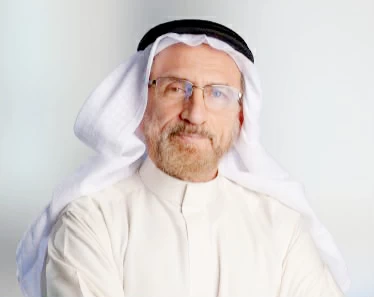
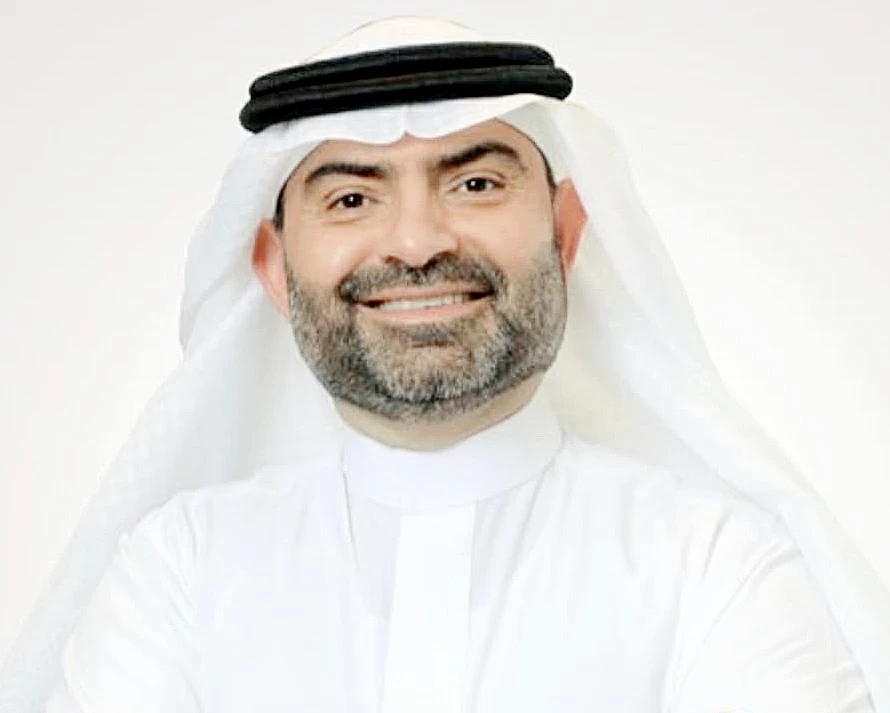
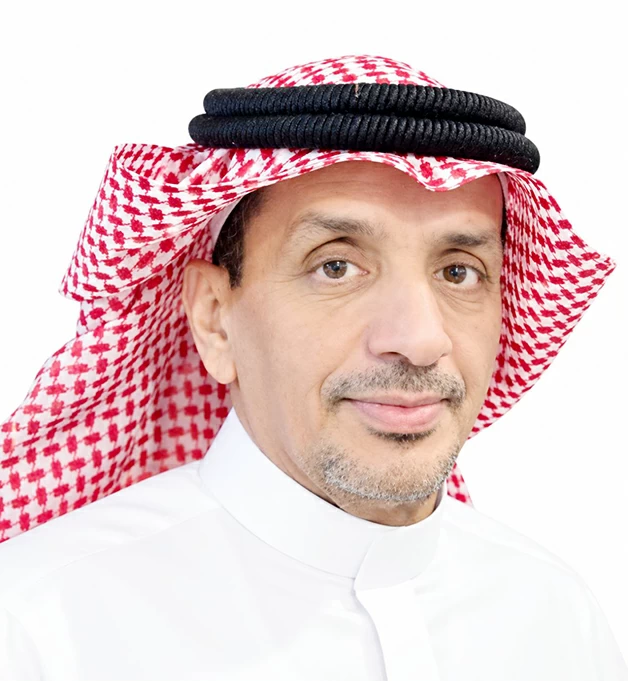
وفي هذا السياق، تأتي الاتفاقية الأخيرة لإنشاء مركز وقفي متخصص لعلاج الأورام في مدينة مكة المكرمة لتأخذ أهمية تتجاوز حدود المشروع الطبي الذاتي؛ فهي تُرسم صورة مشرقة لتكامل الأدوار بين المؤسسة الوقفية والقطاع الصحي والقطاع الخاص. فبرعاية كريمة من الأمير سعود بن مشعل بن عبدالعزيز، نائب أمير منطقة مكة المكرمة، التقت إرادة العمل الوقفي والصحي والقطاع العقاري من خلال اتفاقية جمعت الدكتور ماجد بن إبراهيم الفياض، الرئيس التنفيذي لمستشفى الملك فيصل التخصصي ومركز الأبحاث، وعماد بن صالح الخراشي، محافظ الهيئة العامة للأوقاف، ومحمد البطي، الرئيس التنفيذي لمجموعة NHC.
يمثل هذا المشروع نموذجاً عملياً لكيفية تطويع الوقف لمواكبة متطلبات العصر، حيث قدّمت الهيئة العامة للأوقاف دعمًا بقيمة 380 مليون ريال سعودي لتقديم خدمات العلاج الإشعاعي المتقدم، بينما تبرعت مجموعة NHC بأرض مساحتها نحو 15 ألف متر مربع في «وجهة بوابة مكة». وسيساهم هذا المركز في تقريب الخدمات الطبية التخصصية لمرضى الأورام بالقرب من أماكن إقامتهم بطاقة استيعابية تصل إلى 1,200 مريض سنوياً في مرحلته الأولى، مما يرفع عنهم عناء السفر المتكرر، ويخفف الضغط عن المرافق الصحية بالمنطقة الغربية، ويلبّي الاحتياج المتزايد لسكان العاصمة المقدسة وزوّارها من ملايين الحجاج والمعتمرين.
إن هذا الإنجاز يتناغم تماماً مع مستهدفات «برنامج تحول القطاع الصحي» —أحد برامج رؤية السعودية 2030— التي أحدثت تحوّلاً جذرياً في مفهوم الأوقاف، فنقلته من نطاقه التقليدي إلى رافد اقتصادي وتنموي رئيسي ومستدام.
ما أجمل أن يتحوّل المال إلى حياة، وأن تصبح ثروة الإنسان سبباً في شفاء مريض وإغاثة محتاج. الأعمار تمضي، والأموال تتداولها الأيدي، لكن الأثر هو ما يبقى. تحية تقدير لمستشفى الملك فيصل التخصصي وربانه القدير الذي جسّد الرؤية واقعاً ملموساً وكان رجلاً من رجالها القادرين على تحقيق تطلعات قيادتنا الرشيدة، والشكر موصول للهيئة العامة للأوقاف، وللمتراحمين والواقفين والمساهمين بالأرض وكل من وضع لبنة في هذا الصرح الإنساني العظيم.
The greatness of nations is measured not only by the structures they build but also by the human values and civil institutions they establish to ensure the continuity of goodness and its inheritance across generations. One of the most splendid creations of Islamic civilization in this regard is the institution of "waqf," which transformed giving from a fleeting individual initiative into a sustainable act, making money a means to enrich life and turning benevolence into an eternal message that transcends the lifespan of its owner.
The uniqueness of waqf lies in its practical embodiment of the values of solidarity and compassion; where a person dedicates a portion of their wealth and directs its benefits towards charitable causes, allowing its fruits to remain renewed and its benefits to continue from generation to generation. Throughout our history, waqf has not merely been a means to assist the needy, but rather a vast civil institution whose services extended to education, health, culture, and social welfare, forming one of the main pillars upon which Islamic societies relied to build their renaissance and meet their needs, with continuous protection and care from successive states.
From this rich civilizational heritage, it is important for each of us —according to our ability— to consider dedicating a portion of our wealth to a cause that keeps our legacy alive after we are gone. Goodness may begin with a small property, or a contribution to treat a patient, or support for a health institution, as the true value of waqf lies not in its size but in the sustainability of its benefits and the magnitude of its impact.
In this context, the recent agreement to establish a specialized waqf center for cancer treatment in the city of Mecca takes on significance that transcends the boundaries of a self-contained medical project; it paints a bright picture of the integration of roles between the waqf institution, the health sector, and the private sector. Under the generous patronage of Prince Saud bin Mishal bin Abdulaziz, Deputy Governor of the Mecca Region, the will for waqf work, health, and the real estate sector converged through an agreement that brought together Dr. Majid bin Ibrahim Al-Fayyad, CEO of King Faisal Specialist Hospital and Research Centre, Imad bin Saleh Al-Kharashi, Governor of the General Authority for Awqaf, and Mohammed Al-Batti, CEO of NHC Group.
This project represents a practical model for how to adapt waqf to meet the demands of the modern age, as the General Authority for Awqaf provided support amounting to 380 million Saudi Riyals to offer advanced radiotherapy services, while NHC Group donated land measuring approximately 15,000 square meters in the "Gateway to Mecca" destination. This center will help bring specialized medical services for cancer patients closer to their places of residence, with a capacity of up to 1,200 patients annually in its first phase, alleviating the burden of repeated travel and reducing pressure on health facilities in the western region, while meeting the increasing needs of the residents of the holy capital and its millions of pilgrims and visitors.
This achievement aligns perfectly with the objectives of the "Health Sector Transformation Program" —one of the programs of Saudi Vision 2030— which has brought about a radical transformation in the concept of waqf, moving it from its traditional scope to a major and sustainable economic and developmental resource.
How beautiful it is for money to turn into life, and for a person's wealth to become a reason for healing a patient and aiding someone in need. Lives pass, and money is exchanged among hands, but the impact is what remains. A salute of appreciation to King Faisal Specialist Hospital and its capable captain who turned the vision into a tangible reality and was one of its able men who could achieve the aspirations of our wise leadership, and heartfelt thanks to the General Authority for Awqaf, to the compassionate, the donors, and everyone who laid a brick in this great humanitarian edifice.