تعيش المملكة واحدة من أعظم التحوّلات في تاريخها الحديث، وشكّل مستشفى الملك فيصل التخصصي ومركز الأبحاث أحد المثابات والصروح التي وعت الرؤية حق الوعي، ونهضت بقوائمها، وحلّقت بأجنحتها، لتبلغ مقاماً سنياً، مقدمةً الإنجاز تلو الإنجاز، مما مكّن لها مكانة ريادية في القطاع الصحي التخصصي الذي شهد تحوّلات كبيرة بتوجيه قائد التغيير وصانع رؤية المملكة القديرة ولي العهد الأمير محمد.
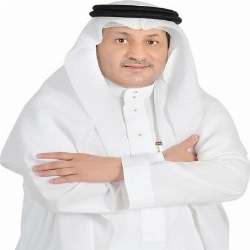
من باب الرؤية الفسيح، شارك الرئيس التنفيذي لمجموعة مستشفى الملك فيصل التخصصي ومركز الأبحاث الدكتور ماجد بن إبراهيم الفياض، في قمة أوراكل للصحة وعلوم الحياة بولاية فلوريدا الأمريكية الأسبوع الماضي، مع مجموعة من قادة التغيير الصحي في العالم؛ لشرح تجربة المملكة وتقدمها في المجال الصحي التخصصي وتطويع التقنية لصالح المريض.
تمحورت النقاشات حول التحوّل الرقمي الشامل المعتمد على البيانات والذكاء الاصطناعي في قطاع الرعاية الصحية، مركّزاً على تجربة التخصصي، ومستعرضاً حوكمة الذكاء الاصطناعي التي طوّرها المستشفى، ومؤكداً أن الحوكمة تمنح المؤسسات الثقة اللازمة للتوسع في استخدام الذكاء الاصطناعي، بما يدعم تقديم رعاية أكثر قرباً من المرضى؛ فهو لم يعد ضيفاً عابراً على قطاع الصحة، ولا فكرة تقنية تنتظر إثبات وجودها.
المشهد يتغيّر بسرعة، والأنظمة الصحية الكبرى بدأت تنتقل من مرحلة التجربة والاستعراض إلى مرحلة مختلفة تماماً: كيف نجعل الذكاء الاصطناعي جزءاً أصيلاً من العمل اليومي؟ وكيف نحوله من أداة مبهرة إلى قيمة حقيقية يشعر بها الطبيب والمريض والإدارة؟
تجلت هذه الفكرة بوضوح في طرح الدكتور الفياض حول استخدام الذكاء الاصطناعي في المجال الطبي؛ فالقيمة الحقيقية لهذه التقنية لا تكمن في استعراض قدراتها، وإنما في توظيفها لخدمة الطبيب والمريض وتحسين كفاءة المنظومة الصحية.
الذكاء الاصطناعي يستطيع معالجة كميات ضخمة من المعلومات، والمساعدة في تحليل البيانات، ودعم التشخيص والقرار الطبي، وتخفيف الأعباء الإدارية التي تستنزف جزءاً كبيراً من وقت العاملين في القطاع الصحي، ليصبح الذكاء الاصطناعي أداة تعزز قدرات الطبيب، لا بديلاً عنه.
الطبيب يمتلك الخبرة السريرية وفهم الحالة الإنسانية للمريض، وتمنحه التقنيات الذكية قدرة استثنائية على معالجة البيانات واكتشاف الأنماط وتقديم المعلومات بسرعة كبيرة، وتكمن القوة الحقيقية في الجمع بين القدرتين؛ فالنجاح يرتبط بامتلاك المؤسسة رؤية واضحة لما تريد حله، وبنية تقنية قادرة على الاستيعاب، وقيادة تعرف كيف تنقل التقنية من الشاشة إلى غرفة الطبيب وسجل المريض ومسار الخدمة الصحية.
المشكلة التي تواجه البعض هي كثرة التجارب التي لا تصل إلى مرحلة الاستخدام الفعلي، وتجد صعوبة في تحويلها إلى حلول بسبب البيانات، والحوكمة، ودمج التقنية داخل سير العمل، وتحديد المسؤولية عندما تقدم الخوارزمية نتيجة تحتاج إلى مراجعة بشرية.
المستشفى الناجح في عصر الذكاء الاصطناعي ليس المستشفى الذي يضع شعار (AI) على أكبر عدد من مشروعاته، وإنما الذي يبدأ من مشكلة صحية أو إدارية واضحة، ثم يسأل: هل تستطيع التقنية حلها بصورة أفضل؟ وهل نستطيع قياس هذا التحسّن؟
قد تكون المشكلة انتظار المريض، أو ازدحام المواعيد، أو الأعمال الورقية التي تستهلك وقت الطبيب، أو اكتشاف المرض مبكراً، أو تحليل كميات هائلة من البيانات التي يستحيل على الإنسان قراءتها بالسرعة نفسها.
عندها يصبح الذكاء الاصطناعي وسيلة، لا غاية.
بالعودة إلى طرح الدكتور الفياض بشأن مستقبل الطب، فإن الطبيب، وفق هذه الرؤية، سيظل محور العملية العلاجية، لكن أدواته ستصبح أكثر قوة. يساعده الذكاء الاصطناعي على الوصول إلى المعلومات، ومقارنة البيانات، واكتشاف مؤشرات قد يصعب التقاطها بالوسائل التقليدية، بما يتيح له اتخاذ القرار على أساس قاعدة معلومات أوسع وأسرع.
هذا التحوّل ينعكس على علاقة الطبيب بالمريض.
كل دقيقة يوفرها الذكاء الاصطناعي من الأعمال الروتينية يمكن أن تتحوّل إلى وقت إضافي للفحص والاستماع والشرح والمتابعة.
وهذه إحدى أهم الفوائد التي ينبغي أن يبحث عنها النظام الصحي: أن تعيد التقنية إلى الطبيب جزءاً من وقته الذي أخذته الأعمال الورقية والإجراءات المتكررة.
نجاح الذكاء الاصطناعي يحتاج إلى فرق تجمع الأطباء والممرضين والمتخصصين في المعلومات والتقنية والإدارة، بحيث لا تبقى التقنية مشروعاً معزولاً داخل إدارة تقنية المعلومات.
الانتقال من النموذج التجريبي إلى الاستخدام الواسع يحتاج إلى مسؤولية جماعية، وإلى فهم عميق لطبيعة العمل الصحي واحتياجات المريض.
هناك درس آخر بالغ الأهمية: السرعة وحدها ليست نجاحاً؛ يمكن لمؤسسة أن تنشر عشرات الأدوات خلال عام، ثم تكتشف أنها خلقت عشرات المشكلات الجديدة.
المطلوب سرعة محسوبة، تقترن بالاختبار والمراقبة والحوكمة والأمن وحماية بيانات المرضى.
تبدو المنافسة القادمة بين الأنظمة الصحية مختلفة عن منافسة الماضي.
لن يكون السؤال: من يملك أحدث جهاز؟
بل من يستطيع استخدام البيانات بذكاء؟
من يختصر رحلة المريض؟
من يتيح للطبيب وقتاً أطول للمريض ووقتاً أقل للأعمال الروتينية؟
من يستطيع اكتشاف الخطر قبل تحوله إلى أزمة؟
هذه هي القيمة الحقيقية للذكاء الاصطناعي.
المؤسسة التي تفهمه باعتباره تحوّلاً مؤسسياً ستعيد تصميم سير العمل نفسه، وتبني ثقافة جديدة للتعامل مع البيانات، وتضع قواعد واضحة للمساءلة، وتمنح الأطباء دوراً مركزياً في صياغة مستقبل التقنية.
خلاصة طرح الدكتور الفياض، ومن تجارب الأنظمة الصحية الرائدة وقيادته للتحوّل الصحي، أن الذكاء الاصطناعي لا ينبغي أن يُنظر إليه باعتباره منافساً للطبيب، وإنما باعتباره قوة جديدة ترفع قدرته على المعرفة والتحليل واتخاذ القرار.
التقنية قد تكون خارقة في سرعة الحساب وتحليل البيانات، لكن الطب يظل علماً إنسانياً يحتاج إلى خبرة الطبيب وحكمه المهني وتواصله مع المريض.
المستقبل الصحي لن يكون معركة بين الإنسان والآلة، بل شراكة جديدة بين عقل الإنسان وقدرة الآلة.
يظل الطبيب صاحب القرار المهني، وإلى جواره منظومة قادرة على قراءة ملايين البيانات وتحليلها خلال ثوانٍ. والمريض هو المستفيد الأول من نظام يستطيع أن يفهم احتياجاته بصورة أسرع وأكثر دقة.
وهنا تكمن الرسالة الأعمق: الذكاء الاصطناعي لا يصنع المستشفى الذكي وحده؛ الإنسان هو الذي يحدد كيف ولماذا وأين تُستخدم هذه القوة.
وعندما تلتقي خبرة الطبيب مع قدرة الآلة، تصبح التقنية أكثر من مجرد ابتكار؛ تصبح وسيلة لإعادة صياغة مستقبل الرعاية الصحية التخصصية، وهذا ما يسعى إلى تحقيقه مستشفى الملك فيصل التخصصي ومركز الأبحاث في ظل الرؤية ومعطياتها المستقبلية.
The Kingdom is experiencing one of the greatest transformations in its modern history, and King Faisal Specialist Hospital and Research Centre has become one of the pillars and landmarks that fully embraced the vision, rising with its foundations and soaring with its wings to reach a lofty status, presenting achievement after achievement, which has enabled it to attain a pioneering position in the specialized healthcare sector that has witnessed significant transformations under the guidance of the change leader and architect of the Kingdom's vision, Crown Prince Mohammed.
In line with this expansive vision, the CEO of King Faisal Specialist Hospital and Research Centre, Dr. Majid bin Ibrahim Al-Fayyad, participated in the Oracle Health and Life Sciences Summit in Florida, USA, last week, alongside a group of global health change leaders to explain the Kingdom's experience and its advancements in specialized healthcare and the adaptation of technology for the benefit of patients.
The discussions centered around comprehensive digital transformation based on data and artificial intelligence in the healthcare sector, focusing on the specialized experience and showcasing the AI governance developed by the hospital, emphasizing that governance provides institutions with the necessary confidence to expand the use of artificial intelligence, thereby supporting the delivery of care that is closer to patients; it is no longer a fleeting guest in the health sector, nor a technological idea waiting to prove its existence.
The scene is changing rapidly, and major health systems are moving from the stage of experimentation and demonstration to a completely different phase: how do we make artificial intelligence an integral part of daily work? How do we transform it from a dazzling tool into real value felt by the doctor, patient, and administration?
This idea was clearly articulated by Dr. Al-Fayyad regarding the use of artificial intelligence in the medical field; the true value of this technology lies not in showcasing its capabilities, but in employing it to serve the doctor and patient and improve the efficiency of the healthcare system.
Artificial intelligence can process vast amounts of information, assist in data analysis, support diagnosis and medical decision-making, and alleviate the administrative burdens that consume a significant portion of healthcare workers' time, making artificial intelligence a tool that enhances the doctor's capabilities, not a substitute for them.
The doctor possesses clinical expertise and an understanding of the patient's human condition, while smart technologies provide an exceptional ability to process data, discover patterns, and deliver information rapidly. The real strength lies in combining both capabilities; success is linked to the institution having a clear vision of what it wants to solve, a technological infrastructure capable of accommodating it, and leadership that knows how to transfer technology from the screen to the doctor's room, the patient's record, and the healthcare service pathway.
The problem some face is the abundance of experiments that do not reach the stage of actual use, struggling to turn them into solutions due to data, governance, integrating technology into workflows, and defining accountability when an algorithm provides a result that requires human review.
The successful hospital in the age of artificial intelligence is not the one that places the (AI) logo on the largest number of its projects, but rather the one that starts from a clear health or administrative problem, then asks: Can technology solve it better? And can we measure this improvement?
The problem may be patient waiting times, appointment congestion, paperwork that consumes the doctor's time, early disease detection, or analyzing vast amounts of data that are impossible for a human to read at the same speed.
At that point, artificial intelligence becomes a means, not an end.
Returning to Dr. Al-Fayyad's perspective on the future of medicine, the doctor, according to this vision, will remain the center of the therapeutic process, but their tools will become more powerful. Artificial intelligence will assist them in accessing information, comparing data, and discovering indicators that may be difficult to capture using traditional means, enabling them to make decisions based on a broader and faster information base.
This transformation reflects on the doctor-patient relationship.
Every minute saved by artificial intelligence from routine tasks can be transformed into additional time for examination, listening, explanation, and follow-up.
This is one of the most important benefits that the healthcare system should seek: to return to the doctor a portion of their time that was taken by paperwork and repetitive procedures.
The success of artificial intelligence requires teams that bring together doctors, nurses, information and technology specialists, and management, so that technology does not remain an isolated project within the IT department.
The transition from a pilot model to widespread use requires collective responsibility and a deep understanding of the nature of healthcare work and patient needs.
There is another crucial lesson: speed alone is not success; an institution can deploy dozens of tools in a year and then discover that it has created dozens of new problems.
What is needed is calculated speed, coupled with testing, monitoring, governance, security, and protection of patient data.
The upcoming competition among healthcare systems seems different from past competition.
The question will not be: Who has the latest device?
But rather: Who can use data intelligently?
Who can shorten the patient journey?
Who can give the doctor more time for the patient and less time for routine tasks?
Who can detect danger before it turns into a crisis?
This is the true value of artificial intelligence.
The institution that understands it as an institutional transformation will redesign the workflow itself, build a new culture for dealing with data, establish clear accountability rules, and grant doctors a central role in shaping the future of technology.
In summary, Dr. Al-Fayyad's perspective, along with the experiences of leading healthcare systems and his leadership in health transformation, is that artificial intelligence should not be viewed as a competitor to the doctor, but rather as a new force that enhances their ability to know, analyze, and make decisions.
Technology may be extraordinary in speed of calculation and data analysis, but medicine remains a human science that requires the doctor's experience, professional judgment, and communication with the patient.
The future of healthcare will not be a battle between man and machine, but a new partnership between the human mind and the machine's capability.
The doctor remains the professional decision-maker, alongside a system capable of reading and analyzing millions of data points in seconds. The patient is the primary beneficiary of a system that can understand their needs more quickly and accurately.
And here lies the deeper message: artificial intelligence does not create the smart hospital alone; it is the human who determines how, why, and where this power is used.
When the doctor's expertise meets the machine's capability, technology becomes more than just an innovation; it becomes a means to reshape the future of specialized healthcare, which is what King Faisal Specialist Hospital and Research Centre strives to achieve under the vision and its future data.