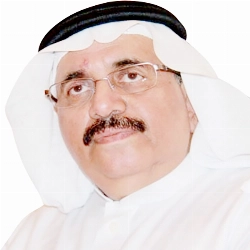
مع صدور الأمر الملكي بتعيين إحسان بن عباس بافقيه أميناً لمحافظة جدة.. تدخل المدينة مرحلة جديدة من مسيرة لم تبدأ اليوم، بل مضت فيها خلال الأعوام الماضية بخطوات كبيرة، وقرارات جريئة، ومشاريع أعادت تشكيل كثير من ملامحها.
ولعل لجدة خصوصية تجعل كل خبر يتصل بها يتجاوز حدوده الإدارية.. فهي ليست مدينة عابرة في الجغرافيا السعودية، ولا مجرد شاطئ طويل على البحر الأحمر.
جدة عانقت البحر فعانقها.. واستقبلت عبر مرفئها حجاج بيت الله الحرام وزواره، وكانت بوابة للقادمين من جهات الأرض، قبل أن يصبح مطارها واحداً من أكبر بوابات المملكة إلى العالم.
ولهذا.. لم تكن جدة يوماً مجرد مدينة.. بل بوابة للوطن.. وذاكرة لأبنائه.. وشريكاً في صناعة تاريخه.
وكانت عبر مراحل من تاريخ الدولة حاضنة للحضور الدبلوماسي، ومقراً لمؤسسات وطنية كبرى، ونافذة تنظر منها المملكة إلى العالم، وينظر العالم منها إلى المملكة.
واليوم.. تستقبل جدة أمينها الجديد، وهو ابن من أبنائها، يعرف أسماء أحيائها، وذاكرة شوارعها، وخصوصية أهلها، ويأتي إليها بخبرة تراكمت في القطاع الخاص والعمل الاستثماري وقيادة هيئة عقارات الدولة.
وهذه الخبرة لا تقدم سيرة ذاتية فحسب، بل تضع أمام المدينة رجلاً عرف ملفات الأراضي والأصول والاستثمار والتطوير.. وهي ملفات تتقاطع اليوم مع واحد من أكبر التحولات العمرانية التي شهدتها جدة في تاريخها الحديث.
فالمساحات الواسعة التي خلفتها معالجة الأحياء العشوائية ليست فراغات في جسد المدينة.. بل صفحات تنتظر من يكتب عليها ملامح جدة الجديدة.
وقد كان ما جرى حدثاً غير مسبوق في حجمه وأثره.. فأحياء كاملة تغيرت، ومساحات شاسعة انفتحت، وعيون كثيرة تتجه اليوم إلى ما ستصبح عليه تلك المواقع بعد أن كانت لسنوات جزءاً من مشهد اعتاده الناس، رغم ما كان يحمله من تعقيدات ومشكلات متراكمة.
وليس من الإنصاف أن نتحدث عن هذه المرحلة دون الإشارة إلى الجهود الكبيرة التي بذلت خلال عهد الأمين السابق صالح التركي، فقد شهدت جدة في تلك السنوات عملاً واسعاً، وتحولات مهمة، وملفات ثقيلة جرى التعامل معها في وقت لم يكن سهلاً، حتى وصلت المدينة إلى هذه اللحظة التي تقف فيها على أرض جديدة، وتطل على أفق أكثر اتساعاً.
ومن يقف اليوم على أحد المرتفعات المطلة على جدة.. سيرى مدينة تتحرك أمام عينيه.
سيرى مساحات ولدت من قلب التحول.. وشوارع تمتد.. ومشاريع تتشكل.. ومدينة لا تكتفي بأن تكبر، بل تعيد رسم نفسها.
جدة التي تعيد رسم نفسها لا تفعل ذلك في العمران وحده، فهي مدينة بحر وشاطئ.. ومدينة ميناء وقاعدة بحرية.. ومدينة مطار يستقبل ملايين المسافرين.. ومدينة تتطلع إلى منظومة نقل عام تليق بحجمها، وإلى مترو ما زال الناس ينتظرون أن يتحول من مشروع مؤجل إلى واقع، فيما يقترب النقل البحري من أن يصبح جزءاً من حركة المدينة وحياتها اليومية.
وهي فوق ذلك كله بوابة للحرمين.. يمر بها القادم إلى مكة، ويحمل منها أول انطباع، وربما آخر ذكرى قبل الرحيل.
لهذا تبدو مسؤولية أمانة جدة أوسع من حدود العمل البلدي المعتاد.. فهي تتصل بصورة مدينة، وبهوية مكان، وبجودة حياة ملايين البشر الذين يسكنونها أو يعبرون منها.
وفي جدة تفاصيل كثيرة لا تظهر في الصور الجوية للمشاريع الكبرى.
أحياء ما زالت طرقها تنتظر إعادة السفلتة.. وشوارع تحتاج إلى أن تستعيد عافيتها.. وأرصفة تبحث عن المشاة.. ومساحات عامة تحتاج إلى ظل يرحم الناس من قيظ الصيف، فقد تكون مظلة في موقف عام أو خاص تفصيلاً صغيراً في مشروع مدينة، لكنها عند أسرة أو كبير سن ليست تفصيلاً عابراً.
غير أن جدة أكبر من أن تختصر في قائمة مطالب.
هي فرصة وطنية كبرى لإعادة صياغة العلاقة بين البحر والمدينة، وبين التاريخ والعمران، وبين الاستثمار والإنسان.
فالمدن لا تصنعها الأبراج وحدها، ولا تقاس بجمال واجهاتها فقط.. بل بما تمنحه لسكانها من شعور بأن المكان يعرفهم، ويحفظ ذاكرتهم، ويفتح لهم باب المستقبل.
وجدة تملك من التاريخ والموقع والروح ما يجعلها مرشحة دائماً لأن تكون في الصف الأول بين مدن العالم.
وهي اليوم لا تبدأ من الصفر، ولا تمحو ما سبقها، بل تبني على تراكم من الجهود والمشاريع والقرارات، وتستقبل مرحلة جديدة تضيف إلى ما تحقق، وتمنح المدينة فرصة أخرى لتقترب من الصورة التي تستحقها.
ولعل أجمل ما في هذا التعيين أنه يعيد واحداً من أبناء جدة إلى مدينته في لحظة فارقة من تاريخها.. لا ليبدأ حكايتها، فحكاية جدة أقدم من الجميع، بل ليشارك في كتابة فصل جديد منها.
فصول المدن لا يكتبها شخص واحد، ولا جهة واحدة، لكنها تحتاج في كل مرحلة إلى من يدرك قيمة اللحظة، ويعرف أن بعض الفرص حين تمر.. لا تعود.
وجدة اليوم أمام واحدة من تلك الفرص.
مدينة عريقة تقف على أرض جديدة.. وبحر قديم يطل على أفق جديد.. وذاكرة تحفظ ما مضى، من دون أن تتوقف عن صناعة ما هو آت.
وهكذا تظل جدة.. كلما اكتمل فيها فصل، فتحت البحر على فصل آخر.
With the issuance of the royal decree appointing Ihsan bin Abbas Bafqih as the Secretary of Jeddah Province, the city enters a new phase in a journey that did not start today, but has made significant strides over the past years, with bold decisions and projects that have reshaped many of its features.
Jeddah has a uniqueness that makes every news related to it transcend its administrative boundaries. It is not just a passing city in the Saudi geography, nor merely a long beach on the Red Sea.
Jeddah embraced the sea, and the sea embraced it. Through its port, it welcomed the pilgrims of the Sacred House of God and its visitors, and it was a gateway for those coming from all corners of the earth, before its airport became one of the largest gateways of the Kingdom to the world.
For this reason, Jeddah has never been just a city; it is a gateway to the homeland, a memory for its people, and a partner in shaping its history.
Throughout various stages of the state's history, it has been a host to diplomatic presence, a headquarters for major national institutions, and a window through which the Kingdom looks at the world, and the world looks at the Kingdom.
Today, Jeddah welcomes its new secretary, a son of its own, who knows the names of its neighborhoods, the memories of its streets, and the uniqueness of its people, coming to it with experience accumulated in the private sector, investment work, and leading the State Properties Authority.
This experience does not just provide a resume; it presents a man who is familiar with land files, assets, investment, and development—files that intersect today with one of the largest urban transformations that Jeddah has witnessed in its modern history.
The vast areas left behind by the treatment of informal neighborhoods are not voids in the city's body; they are pages waiting for someone to write the features of the new Jeddah on them.
What has occurred is an unprecedented event in size and impact. Entire neighborhoods have changed, vast areas have opened up, and many eyes are now looking at what those sites will become after having been part of a scene that people have grown accustomed to for years, despite the complexities and accumulated problems it carried.
It would not be fair to talk about this phase without mentioning the significant efforts made during the tenure of the previous secretary, Saleh Al-Turki. During those years, Jeddah witnessed extensive work, important transformations, and heavy files that were dealt with at a time that was not easy, until the city reached this moment where it stands on new ground, looking out at a broader horizon.
Anyone standing today on one of the heights overlooking Jeddah will see a city moving before their eyes.
They will see spaces born from the heart of transformation, streets extending, projects taking shape, and a city that does not settle for just growing, but is redrawing itself.
Jeddah, which is redrawing itself, does not do so in urban development alone; it is a city of sea and beach, a port city and a naval base, an airport city that welcomes millions of travelers, and a city looking forward to a public transport system that befits its size, and to a metro that people are still waiting to see transformed from a postponed project into reality, while maritime transport is getting closer to becoming part of the city's movement and daily life.
Moreover, it is above all a gateway to the Two Holy Mosques, through which those coming to Mecca pass, carrying with them the first impression, and perhaps the last memory before departure.
For this reason, the responsibility of the Jeddah Secretariat seems broader than the usual municipal work; it is connected to the image of the city, the identity of the place, and the quality of life of millions of people who live in or pass through it.
In Jeddah, there are many details that do not appear in aerial photos of major projects.
Neighborhoods whose roads are still waiting to be repaved, streets that need to regain their vitality, sidewalks searching for pedestrians, and public spaces that need shade to protect people from the summer heat. While a canopy in a public or private parking lot may seem like a small detail in a city project, for a family or an elderly person, it is not a trivial detail.
However, Jeddah is too big to be summarized in a list of demands.
It is a grand national opportunity to reshape the relationship between the sea and the city, between history and urbanization, and between investment and humanity.
Cities are not made by towers alone, nor are they measured only by the beauty of their facades, but by what they offer their residents in terms of feeling that the place knows them, preserves their memories, and opens the door to the future for them.
Jeddah possesses the history, location, and spirit that always make it a candidate to be among the top cities in the world.
Today, it does not start from scratch, nor does it erase what came before it; rather, it builds on a accumulation of efforts, projects, and decisions, and welcomes a new phase that adds to what has been achieved, giving the city another opportunity to get closer to the image it deserves.
Perhaps the most beautiful aspect of this appointment is that it brings one of Jeddah's sons back to his city at a pivotal moment in its history—not to start its story, for the story of Jeddah is older than anyone, but to participate in writing a new chapter of it.
The chapters of cities are not written by one person or one entity; they need, at every stage, someone who understands the value of the moment and knows that some opportunities, when they pass, do not return.
Jeddah today stands before one of those opportunities.
An ancient city standing on new ground, with an old sea overlooking a new horizon, and a memory that preserves what has passed, without stopping from creating what is to come.
Thus, Jeddah remains... whenever a chapter is completed, it opens the sea to another chapter.