حسناً، نحن نعيش في زمن الصورة، كنت حاضراً محاضرة للفنان الفوتوغرافي عيسى إبراهيم تحت عنوان: السرد في الصورة الفوتوغرافية: ذاكرة عين، حدث ذلك في ملتقى السرد بمدينة الكويت ضمن أنشطة المجلس الوطني للثقافة والفنون والآداب.. عرض فيها الفنان عيسى العديد من الصور المتنوعة في موضوعاتها ومضامينها، صور لافتة ومدهشة فنياً..
وأثناء العرض حدثت تبادلية حوار ما بين البصري والسردي من قبل الحضور، وكان يجاورني الصديق الروائي المبدع طالب الرفاعي، فألقيت سؤالاً مشترطاً إجابته من قبل المصور الفنان عيسى إبراهيم، ومن المبدع طالب الرفاعي، على فرضية وجود صورة لافتة هل يستطيع الروائي أن يكتبها رواية، وهل يستطيع المصور أن يرسم رواية لطالب الرفاعي تحمل التفاصيل السردية المكتوبة؟
هو سؤال يمتد كربل بلاستيكي، وإن كنت عارفاً بحدوث ذلك إلا أن زحمة الأسئلة، ومحدودية زمن المحاضرة فوّت علينا سماع الرأيين (الكاتب والمصور).. وكنت راغباً بذكر قصة الصورة معي أثناء سرد رواية، وتحديداً صورة العجوز مسعدة في رواية الطين.. كانت الشخصية مختزنة في داخلي بفعالها وحكاياتها، وكانت صورتها غائمة في ذهني، وفي إحدى المجلات وجدت صورة لامرأة شمطاء أكل الدهر منها أكلاً شهياً ولم يبقَ منها إلا ملامح تشي بجمال غرب خلف تجاعيد سعت كطابور نمل تعرج في وجهها وسافر إلى عروق رقبتها بدأب متواصل، صورة تعمّق خيال السارد ليقول ما الذي تفعله السنون من تغيرات صادمة، وعلى السارد أن يتعمق في شرح حكايتها..
ظلت صورة هذه المرأة العجوز تنظر إليّ من خلف زجاج المكتب، يفيض وجهها بالابتسامات المواربة، من عينين ضيقتين، وفم فاتر الابتسامة، وربطة رأس فضحت شيب رأسها الأبيض كندف القطن الباقي من غير حصد، وعظام الترقوة بارزة كسارية تلقت ضربات فؤوس كثيرة.
وكلما كتبت عن العجوز مسعدة أرى الصورة تضحك من خلف زجاج المكتب مهونة أو مستخفة بما أكتب عن امرأة متخيلة، وهي امرأة حاضرة بصورتها.. تذكرت هذا، وأنا أشاهد صوراً التقطها الفنان عيسى لنساء عديدات في حالات مختلفة، هو صورها واكتفى بذلك، الصور التي شاهدناها، صور لم يكترث المصور بعينها، بمشاعرها الداخلية أو تاريخها الإنساني، أو مصاعبها اليومية، أو ظرفها المعيشي، أو ما الذي يبكيها أو يضحكها.. نعم كانت الصور التي عرضها صوراً جمة، والذي يشاهد تلك الصور وهو الذي يخلق الحكاية، يحس بما تكابده الشخصية من خلال الصورة، فمن هو صانع السردية الصورة أم المشاهد؟
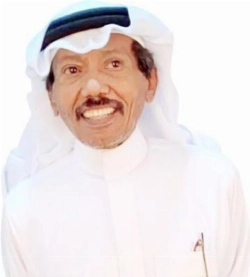
وكنت راغبا التعريج على رواية ( دوخي.. تقاسيم الصبا) لطالب الرفاعي التي جاء غلافها متصدراً صورة الفنان عوض الدوخي الفنان الكويتي الكبير، فهل كانت الصورة هي السرد أم ما كتبه طالب عن صاحب الصورة هو السرد وتقاسيم الحياة على كاتب السرد وليس الصورة؟
مؤمن أن كل شيء حولنا وبيننا وفينا هو حالة سردية ممتدة، فمن الصانع لتلك الحالة، هل هي الصورة، أم ما نقوله من كلمات أم ما نتخيله لما نرى؟ إن مغارة السرد أشبه بالثقب الأسود يبتلع كل حكاياتنا ولا يظهر العمق المختبئ فينا حين يتم التهامه على عجل أو على أعمارنا الذاهبة في الزمن.. السرد حالة تبادلية بين الموت والحياة.


تابع قناة عكاظ على الواتساب
Sure, we live in the age of the image. I attended a lecture by the photographer Isa Ibrahim titled: "Narrative in the Photographic Image: The Memory of the Eye." This took place at the Narrative Forum in Kuwait City as part of the activities of the National Council for Culture, Arts, and Letters. In this lecture, artist Isa presented many diverse images in their themes and contents, striking and artistically amazing images...
During the presentation, there was an exchange of dialogue between the visual and the narrative from the audience, and my friend, the creative novelist Taleb Al-Rifai, was sitting next to me. I posed a question that required answers from both the artist photographer Isa Ibrahim and the creative Taleb Al-Rifai, based on the hypothesis of whether a striking image could inspire a novelist to write a novel, and whether a photographer could illustrate a novel for Taleb Al-Rifai that carries the narrative details in writing?
This question extends like a plastic Karbala, and although I was aware of its occurrence, the rush of questions and the limited time of the lecture prevented us from hearing the opinions of both (the writer and the photographer)... I was eager to mention the story of the image with me while narrating a novel, specifically the image of the old woman Mas'ada in the novel "The Clay." The character was stored within me with her actions and stories, and her image was vague in my mind. In one of the magazines, I found a picture of a gray-haired woman who had been devoured by time, leaving only features that hinted at a beauty hidden behind wrinkles that marched like a line of ants across her face and traveled to the veins of her neck with persistent diligence. An image that deepens the narrator's imagination to express what the years do in shocking changes, and the narrator must delve into explaining her story...
The image of this old woman continued to look at me from behind the office glass, her face overflowing with elusive smiles, from narrow eyes, and a mouth that barely smiled, with a headscarf that revealed the gray of her hair like the remaining cotton fluff that had not been harvested, and her collarbones protruded like a mast that had received many axe blows.
Every time I wrote about the old woman Mas'ada, I saw the image laughing from behind the office glass, dismissing or belittling what I wrote about an imagined woman, while she was a present woman in her image... I remembered this as I watched images taken by artist Isa of many women in different situations. He photographed them and stopped there; the images we saw were pictures that the photographer did not care about, about their inner feelings or their human history, or their daily struggles, or their living conditions, or what makes them cry or laugh... Yes, the images he presented were numerous, and anyone who views those images, being the one who creates the story, feels what the character endures through the image. So, who is the creator of the narrative, the image or the viewer?
I wanted to touch upon the novel "Dohki... The Melodies of Youth" by Taleb Al-Rifai, which featured a cover with an image of the great Kuwaiti artist Awad Al-Dohki. Was the image the narrative, or was what Taleb wrote about the owner of the image the narrative and the melodies of life belonging to the writer of the narrative and not the image?
I believe that everything around us, between us, and within us is an extended narrative state. So, who is the creator of that state? Is it the image, or what we say in words, or what we imagine when we see? The cave of narrative is akin to a black hole that swallows all our stories and does not reveal the hidden depth within us when it is hastily consumed or during our lives that are passing through time... Narrative is an exchange between death and life.
During the presentation, there was an exchange of dialogue between the visual and the narrative from the audience, and my friend, the creative novelist Taleb Al-Rifai, was sitting next to me. I posed a question that required answers from both the artist photographer Isa Ibrahim and the creative Taleb Al-Rifai, based on the hypothesis of whether a striking image could inspire a novelist to write a novel, and whether a photographer could illustrate a novel for Taleb Al-Rifai that carries the narrative details in writing?
This question extends like a plastic Karbala, and although I was aware of its occurrence, the rush of questions and the limited time of the lecture prevented us from hearing the opinions of both (the writer and the photographer)... I was eager to mention the story of the image with me while narrating a novel, specifically the image of the old woman Mas'ada in the novel "The Clay." The character was stored within me with her actions and stories, and her image was vague in my mind. In one of the magazines, I found a picture of a gray-haired woman who had been devoured by time, leaving only features that hinted at a beauty hidden behind wrinkles that marched like a line of ants across her face and traveled to the veins of her neck with persistent diligence. An image that deepens the narrator's imagination to express what the years do in shocking changes, and the narrator must delve into explaining her story...
The image of this old woman continued to look at me from behind the office glass, her face overflowing with elusive smiles, from narrow eyes, and a mouth that barely smiled, with a headscarf that revealed the gray of her hair like the remaining cotton fluff that had not been harvested, and her collarbones protruded like a mast that had received many axe blows.
Every time I wrote about the old woman Mas'ada, I saw the image laughing from behind the office glass, dismissing or belittling what I wrote about an imagined woman, while she was a present woman in her image... I remembered this as I watched images taken by artist Isa of many women in different situations. He photographed them and stopped there; the images we saw were pictures that the photographer did not care about, about their inner feelings or their human history, or their daily struggles, or their living conditions, or what makes them cry or laugh... Yes, the images he presented were numerous, and anyone who views those images, being the one who creates the story, feels what the character endures through the image. So, who is the creator of the narrative, the image or the viewer?
I wanted to touch upon the novel "Dohki... The Melodies of Youth" by Taleb Al-Rifai, which featured a cover with an image of the great Kuwaiti artist Awad Al-Dohki. Was the image the narrative, or was what Taleb wrote about the owner of the image the narrative and the melodies of life belonging to the writer of the narrative and not the image?
I believe that everything around us, between us, and within us is an extended narrative state. So, who is the creator of that state? Is it the image, or what we say in words, or what we imagine when we see? The cave of narrative is akin to a black hole that swallows all our stories and does not reveal the hidden depth within us when it is hastily consumed or during our lives that are passing through time... Narrative is an exchange between death and life.