مع إطلالة فجر كل مشروع جديد وواعد في وطننا الغالي، تتبدى أمام ناظريَ عظمة «رؤية المملكة 2030»، التي أبدعتها عبقرية ولي العهد الأمين، وقدرة هذه «الرؤية» على الاستشراف الذي تتقاصر دونه بصائر الخيال. رؤية شطبت من قاموسها مفردة المستحيل واستعادت حاضرنا المختطف، واستشرفت مستقبلنا الوضيء. رؤية نوّعت دخل الاقتصاد الوطني وعززت مكانة المملكة وريادتها، رؤية تنويرية تقدمية أزالت شوه الصحوة وسخامها.
حدث مفصلي في مسيرة التنمية الثقافية، تمثّل بإنشاء جامعة الرياض للفنون وتوقيع اتفاقات استثمارية بلغت 1.3 مليار دولار خلال أعمال النسخة الأولى من مؤتمر الاستثمار الثقافي 2025.
حدث بمثابة إشارة لانطلاقة مرحلة جديدة في التفكير الثقافي والاستثمار الإبداعي، بما يعزز مكانة السعودية حاضنةً رئيسيةً للمواهب والفنون على مستوى العالم.
يقول وزير الثقافة الأمير بدر بن فرحان: إن الجامعة ستُصنف ضمن أهم المشاريع الاستراتيجية، إذ تستهدف أن تكون من بين أفضل 50 جامعة دولية متخصصة في الفنون ورفد القطاع الثقافي بمواهب محلية وعربية ودولية، من خلال برامج أكاديمية متقدمة، وتخصصات متعددة، ومناهج تواكب أحدث المعايير العالمية في مجالات الفنون المختلفة.
تضم الجامعة 13 كلية ثقافية تغطي نطاقاً واسعاً من الفنون والآداب والإبداع، تبدأ بثلاث كليات تمثل نواة الانطلاق، بتقديم برامج تعليمية بدرجات متنوعة (بكالوريوس، ماجستير، ودكتوراه).
هذا التنوع يعكس رؤية شاملة، تضع الجامعة في صدارة المؤسسات التعليمية المتخصصة في المنطقة.
الحدث لم يتوقف عند الجانب الأكاديمي، بل حمل بعداً استثمارياً مهماً، أكده وزير الاستثمار المهندس خالد الفالح، أن القطاع الثقافي والفني يشهد إقبالاً متزايداً من المستثمرين الأجانب، فمن بين 52 ألف ترخيص وسجل تجاري للمستثمرين الأجانب هناك 1,700 رجل أعمال ينشطون بالفعل في مجالات الثقافة والفنون والترفيه.
رقم يعكس حيوية القطاع، وتحوّله من مجال قائم على المبادرات الفردية أو الدعم الحكومي المباشر، إلى قطاع جاذب لرؤوس الأموال والاستثمارات النوعية. ويأتي متسقاً مع رؤية السعودية القديرة
التي جعلت من الثقافة ركناً أساسياً من أركان التنمية المستدامة، ورافعة لاقتصاد متنوع قائم على الابتكار والإبداع.
فكرة إنشاء الجامعة تحمل فوائد استراتيجية بعيدة المدى، ستوفر منصة للأجيال الشابة لتطوير مهاراتها وصقل مواهبها محلياً مما يخلق جيلاً جديداً من الفنانين والمبدعين والموهوبين السعوديين القادرين على المنافسة عالمياً.
وسيسهم المشروع في تعزيز الصناعات الإبداعية، في مجالات التصميم والسينما والمسرح والموسيقى والفنون البصرية والتشكيلية.
إن الاستثمار في الثقافة يعزز قيم الانفتاح والتنوع والتفاعل الحضاري، ويفتح المجال أمام حوار مجتمعي واسع عبر منصات الفن والإبداع، ويسهم في بناء هوية وطنية حديثة متصالحة مع تراثها، ومنفتحة في الوقت نفسه على تجارب العالم.
لا يمكن قراءة المشروع في سياقه السعودي فقط، بل ينبغي النظر إليه مشروعاً حضارياً أوسع لاستقطاب المواهب من دول مجلس التعاون، ليساهم في تكامل الجهود الثقافية والفنية بين دول الخليج وتوفير بيئة للتبادل الأكاديمي والبحثي بما يسهم في رفع مستوى التعليم الفني في المنطقة برمتها.
كما إن الجامعة ستكون بمثابة جسر تواصل ثقافي بين المشرق والمغرب العربيين، من خلال احتضانها طلاباً وأساتذة وفنانين من مختلف البلدان، معززة بذلك التبادل الثقافي، مضيفة بعداً جديداً لدور المملكة بصفتها قلب العالم الإسلامي في الجوانب الدينية والروحية، وفي قيادة مشروع ثقافي حضاري يعكس التنوع الذي يزخر به العالم الإسلامي في مجالات الفن والإبداع.
إنشاء الجامعة يبعث رسائل متعددة، أن الاستثمار في الثقافة ليس ترفاً، بل هو خيار استراتيجي يُمكّن الدول من تعزيز قوتها الناعمة، ويمنحها مكانة مؤثرة في المشهد العالمي.
وأن السعودية، في تحوّلها الوطني الشامل، تدرك أن التنمية لا تقتصر على الاقتصاد والصناعة والتكنولوجيا، بل تشمل بناء الإنسان وصقل ذائقته الجمالية.
موجهة للعالم، رسالة مفادها أن المملكة ليست فقط دولة نفطية، بل دولة فن وثقافة وإبداع، وأنها مقبلة على أن تصبح أحد أهم المراكز العالمية في هذا المجال. بمشروع حضاري متكامل سيعيد صياغة المشهد الثقافي السعودي والإقليمي.
وستكون الجامعة منصة لصناعة المبدعين، ومركزاً للاستثمار الثقافي، وجسراً للتواصل العربي والإسلامي، وأداة لتعزيز القوة الناعمة السعودية.
إنها بداية لنهضة ثقافية كبرى، تضيف بعداً جديداً إلى مشروع المملكة التنموي، وتمنحها موقعاً ريادياً في مستقبل الفنون والثقافة، على مستوى العالم.
إنها واحدة من أعظم التحوّلات في تاريخنا الحديث، في عهد الملك سلمان بن عبدالعزيز، وولي العهد الأمير محمد بن سلمان.
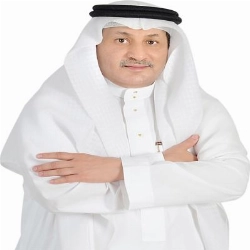
نجيب يماني
جامعة الرياض للفنون نَوْل من مغزل «الرؤية»
5 أكتوبر 2025 - 23:51
|
آخر تحديث 5 أكتوبر 2025 - 23:51


تابع قناة عكاظ على الواتساب
With the dawn of every new and promising project in our beloved homeland, the greatness of "Vision 2030" emerges before my eyes, a masterpiece created by the genius of the Crown Prince, and the ability of this "vision" to foresee what the imagination cannot grasp. A vision that has erased the word impossible from its dictionary, reclaimed our hijacked present, and envisioned our bright future. A vision that diversified the national economy and enhanced the Kingdom's position and leadership, a progressive enlightening vision that removed the blemish and soot of the awakening.
A pivotal event in the journey of cultural development was represented by the establishment of Riyadh University of Arts and the signing of investment agreements amounting to $1.3 billion during the first edition of the Cultural Investment Conference 2025.
This event serves as a signal for the launch of a new phase in cultural thinking and creative investment, reinforcing Saudi Arabia's position as a primary incubator for talents and arts globally.
The Minister of Culture, Prince Badr bin Farhan, states that the university will be classified among the most important strategic projects, aiming to be among the top 50 international universities specializing in the arts and to enrich the cultural sector with local, Arab, and international talents through advanced academic programs, diverse specializations, and curricula that meet the latest global standards in various fields of arts.
The university comprises 13 cultural colleges covering a wide range of arts, literature, and creativity, starting with three colleges that represent the nucleus of the launch, offering educational programs at various degrees (Bachelor's, Master's, and Doctorate).
This diversity reflects a comprehensive vision, placing the university at the forefront of specialized educational institutions in the region.
The event did not stop at the academic side; it also carried an important investment dimension, confirmed by the Minister of Investment, Engineer Khalid Al-Falih, that the cultural and artistic sector is witnessing increasing interest from foreign investors. Among 52,000 licenses and commercial registrations for foreign investors, there are 1,700 businessmen actively engaged in the fields of culture, arts, and entertainment.
This figure reflects the vitality of the sector and its transformation from a field based on individual initiatives or direct government support to a sector attractive to capital and quality investments. It aligns with the capable vision of Saudi Arabia
which has made culture a fundamental pillar of sustainable development and a lever for a diverse economy based on innovation and creativity.
The idea of establishing the university carries long-term strategic benefits, providing a platform for young generations to develop their skills and refine their talents locally, thus creating a new generation of Saudi artists, creators, and talented individuals capable of competing globally.
The project will contribute to enhancing creative industries in the fields of design, cinema, theater, music, and visual and plastic arts.
Investing in culture enhances values of openness, diversity, and civilizational interaction, opening the door to broad societal dialogue through platforms of art and creativity, and contributing to building a modern national identity that reconciles with its heritage while being open to global experiences.
The project cannot be viewed solely in its Saudi context; it should be seen as a broader civilizational project to attract talents from the Gulf Cooperation Council countries, contributing to the integration of cultural and artistic efforts among Gulf states and providing an environment for academic and research exchange that elevates the level of technical education across the entire region.
Moreover, the university will act as a cultural bridge between the Arab East and West, by hosting students, professors, and artists from various countries, thereby enhancing cultural exchange and adding a new dimension to the Kingdom's role as the heart of the Islamic world in religious and spiritual aspects, and in leading a cultural civilizational project that reflects the diversity rich in the Islamic world in the fields of art and creativity.
The establishment of the university sends multiple messages that investing in culture is not a luxury but a strategic choice that enables countries to enhance their soft power and grants them an influential status in the global scene.
And that Saudi Arabia, in its comprehensive national transformation, recognizes that development is not limited to the economy, industry, and technology, but also includes building human capacity and refining aesthetic taste.
Directed to the world, the message is that the Kingdom is not just an oil-rich state, but a state of art, culture, and creativity, and that it is on the verge of becoming one of the most important global centers in this field. With a comprehensive civilizational project that will reshape the cultural scene in Saudi Arabia and the region.
The university will be a platform for creating innovators, a center for cultural investment, a bridge for Arab and Islamic communication, and a tool to enhance Saudi soft power.
It is the beginning of a major cultural renaissance, adding a new dimension to the Kingdom's developmental project and granting it a pioneering position in the future of arts and culture globally.
It is one of the greatest transformations in our modern history, during the reign of King Salman bin Abdulaziz and Crown Prince Mohammed bin Salman.
A pivotal event in the journey of cultural development was represented by the establishment of Riyadh University of Arts and the signing of investment agreements amounting to $1.3 billion during the first edition of the Cultural Investment Conference 2025.
This event serves as a signal for the launch of a new phase in cultural thinking and creative investment, reinforcing Saudi Arabia's position as a primary incubator for talents and arts globally.
The Minister of Culture, Prince Badr bin Farhan, states that the university will be classified among the most important strategic projects, aiming to be among the top 50 international universities specializing in the arts and to enrich the cultural sector with local, Arab, and international talents through advanced academic programs, diverse specializations, and curricula that meet the latest global standards in various fields of arts.
The university comprises 13 cultural colleges covering a wide range of arts, literature, and creativity, starting with three colleges that represent the nucleus of the launch, offering educational programs at various degrees (Bachelor's, Master's, and Doctorate).
This diversity reflects a comprehensive vision, placing the university at the forefront of specialized educational institutions in the region.
The event did not stop at the academic side; it also carried an important investment dimension, confirmed by the Minister of Investment, Engineer Khalid Al-Falih, that the cultural and artistic sector is witnessing increasing interest from foreign investors. Among 52,000 licenses and commercial registrations for foreign investors, there are 1,700 businessmen actively engaged in the fields of culture, arts, and entertainment.
This figure reflects the vitality of the sector and its transformation from a field based on individual initiatives or direct government support to a sector attractive to capital and quality investments. It aligns with the capable vision of Saudi Arabia
which has made culture a fundamental pillar of sustainable development and a lever for a diverse economy based on innovation and creativity.
The idea of establishing the university carries long-term strategic benefits, providing a platform for young generations to develop their skills and refine their talents locally, thus creating a new generation of Saudi artists, creators, and talented individuals capable of competing globally.
The project will contribute to enhancing creative industries in the fields of design, cinema, theater, music, and visual and plastic arts.
Investing in culture enhances values of openness, diversity, and civilizational interaction, opening the door to broad societal dialogue through platforms of art and creativity, and contributing to building a modern national identity that reconciles with its heritage while being open to global experiences.
The project cannot be viewed solely in its Saudi context; it should be seen as a broader civilizational project to attract talents from the Gulf Cooperation Council countries, contributing to the integration of cultural and artistic efforts among Gulf states and providing an environment for academic and research exchange that elevates the level of technical education across the entire region.
Moreover, the university will act as a cultural bridge between the Arab East and West, by hosting students, professors, and artists from various countries, thereby enhancing cultural exchange and adding a new dimension to the Kingdom's role as the heart of the Islamic world in religious and spiritual aspects, and in leading a cultural civilizational project that reflects the diversity rich in the Islamic world in the fields of art and creativity.
The establishment of the university sends multiple messages that investing in culture is not a luxury but a strategic choice that enables countries to enhance their soft power and grants them an influential status in the global scene.
And that Saudi Arabia, in its comprehensive national transformation, recognizes that development is not limited to the economy, industry, and technology, but also includes building human capacity and refining aesthetic taste.
Directed to the world, the message is that the Kingdom is not just an oil-rich state, but a state of art, culture, and creativity, and that it is on the verge of becoming one of the most important global centers in this field. With a comprehensive civilizational project that will reshape the cultural scene in Saudi Arabia and the region.
The university will be a platform for creating innovators, a center for cultural investment, a bridge for Arab and Islamic communication, and a tool to enhance Saudi soft power.
It is the beginning of a major cultural renaissance, adding a new dimension to the Kingdom's developmental project and granting it a pioneering position in the future of arts and culture globally.
It is one of the greatest transformations in our modern history, during the reign of King Salman bin Abdulaziz and Crown Prince Mohammed bin Salman.