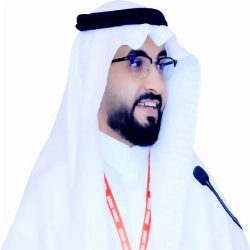
حضوري حفل جائزة الملك عبدالله بن عبدالعزيز العالمية للترجمة في جامعة هانكوك بكوريا الجنوبية كان تجربة تتجاوز حدود الاحتفاء الأكاديمي. فقد بدت الجائزة، بما تحمله من بعد إنساني وحضاري، مرآة لرؤية سعودية واضحة ترى في الترجمة وسيلة لتقريب الشعوب وتعزيز الحوار بين الثقافات.
منذ القدم، لم تكن الترجمة مجرد نقل نصوص من لغة إلى أخرى، بل أداة لإعادة صياغة العلاقة بين الأمم. في العصر العباسي، على سبيل المثال، قادت حركة الترجمة الكبرى إلى نهضة علمية امتد أثرها إلى العالم كله. واليوم، في ظل عالم سريع التغيّر، تستعيد الترجمة دورها التاريخي لتكون قناة حيوية لنقل الخبرات والتقنيات وتوسيع مجالات التعاون الدولي.
اختيار كوريا الجنوبية لاستضافة هذه الجائزة لم يكن محض مصادفة، بل يعكس عمق العلاقات السعودية-الكورية التي تطوّرت عبر عقود من التعاون في مجالات الاقتصاد، الطاقة، الصناعة، والتعليم. لكن اللافت أن هذا التعاون يتسع اليوم ليشمل الثقافة والبحث العلمي. وهنا تتجلى أهمية الترجمة بوصفها أداة لنقل المعرفة المتبادلة وتوسيع دائرة الشراكة.
الرؤية السعودية 2030 تقدّم نموذجاً واضحاً لانفتاح المملكة على التجارب العالمية، والاستفادة من قصص النجاح في الدول الصديقة. وكوريا الجنوبية مثال بارز على ذلك، فهي دولة استطاعت أن تتحوّل خلال عقود قليلة من اقتصاد هشّ بعد الحرب إلى قوة صناعية وتكنولوجية رائدة. هذا النموذج يجد صدى في الطموح السعودي لتنويع الاقتصاد والاستثمار في الإنسان، وجعل الثقافة والمعرفة جزءاً أساسياً من التنمية.
الترجمة هنا تصبح أكثر من مجرد وسيط لغوي؛ إنها قناة لفهم تجارب الآخرين، وأداة لعرض التجربة السعودية للعالم. فالتعاون في مجالات التقنية والتعليم يحتاج إلى منصات تواصل معرفي، والترجمة هي التي تمنح هذا التواصل شكله الحقيقي. ومن دونها لا يمكن تبادل الخبرات بفاعلية، ولا نقل قصص النجاح بما يلهم الأجيال الجديدة في كلا البلدين.
ما شدني في الحفل أن تكريم المترجمين بدا وكأنه تكريم لفكرة أوسع: أن المعرفة لا تعرف حدوداً، وأن بناء المستقبل المشترك يبدأ بفهم متبادل. السعودية، من خلال رعايتها هذه الجائزة، تضع الترجمة في قلب مشروعها الثقافي والدبلوماسي، مؤكدة أن الحوار الحضاري لا يقل أهمية عن التعاون الاقتصادي أو السياسي.
في النهاية، يظهر أن الترجمة ليست نشاطاً نخبوياً، بل رافعة للتنمية والشراكة الدولية. والمشهد السعودي-الكوري يقدّم مثالاً حيّاً على كيف يمكن للثقافة أن تدعم العلاقات الإستراتيجية، وأن تمنحها بعداً إنسانياً طويل المدى. فالاقتصاد والتقنية قد يشكّلان قاعدة التعاون، لكن الترجمة تمنحه الروح، وتجعل منه جسراً يمتد بين الشعوب والأجيال.
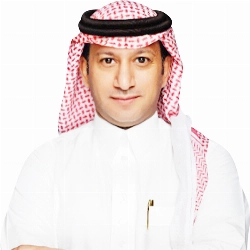
سلطان السعد القحطاني
الترجمة.. ذلك الجسر العابر للحدود بين السعودية وكوريا
2 أكتوبر 2025 - 00:06
|
آخر تحديث 2 أكتوبر 2025 - 00:06


تابع قناة عكاظ على الواتساب
My attendance at the King Abdullah bin Abdulaziz International Award for Translation ceremony at Hankuk University in South Korea was an experience that transcended the boundaries of academic celebration. The award, with its human and cultural dimension, appeared as a mirror reflecting a clear Saudi vision that sees translation as a means to bring peoples closer together and enhance dialogue between cultures.
Historically, translation has not merely been the transfer of texts from one language to another; it has been a tool for reshaping the relationship between nations. In the Abbasid era, for example, the great translation movement led to a scientific renaissance whose impact extended across the globe. Today, in a rapidly changing world, translation is reclaiming its historical role as a vital channel for transferring experiences and technologies and expanding areas of international cooperation.
The choice of South Korea to host this award was not a mere coincidence; it reflects the depth of Saudi-Korean relations that have developed over decades of cooperation in the fields of economy, energy, industry, and education. Notably, this cooperation is now expanding to include culture and scientific research. Here, the importance of translation emerges as a tool for transferring mutual knowledge and broadening the scope of partnership.
Saudi Vision 2030 presents a clear model of the Kingdom's openness to global experiences and its willingness to benefit from success stories in friendly countries. South Korea is a prominent example of this, as it has managed to transform itself in just a few decades from a fragile economy post-war to a leading industrial and technological power. This model resonates with the Saudi ambition to diversify the economy, invest in people, and make culture and knowledge an essential part of development.
Translation here becomes more than just a linguistic intermediary; it is a channel for understanding the experiences of others and a tool for presenting the Saudi experience to the world. Cooperation in the fields of technology and education requires platforms for knowledge communication, and translation is what gives this communication its true form. Without it, effective exchange of experiences is impossible, and success stories cannot be conveyed in a way that inspires new generations in both countries.
What struck me at the ceremony was that honoring translators seemed like an acknowledgment of a broader idea: that knowledge knows no boundaries, and that building a shared future begins with mutual understanding. By sponsoring this award, Saudi Arabia places translation at the heart of its cultural and diplomatic project, affirming that civilizational dialogue is no less important than economic or political cooperation.
In the end, it appears that translation is not an elitist activity but a lever for development and international partnership. The Saudi-Korean scene provides a vivid example of how culture can support strategic relations and grant them a long-term human dimension. While economy and technology may form the foundation of cooperation, translation gives it spirit and makes it a bridge extending between peoples and generations.
Historically, translation has not merely been the transfer of texts from one language to another; it has been a tool for reshaping the relationship between nations. In the Abbasid era, for example, the great translation movement led to a scientific renaissance whose impact extended across the globe. Today, in a rapidly changing world, translation is reclaiming its historical role as a vital channel for transferring experiences and technologies and expanding areas of international cooperation.
The choice of South Korea to host this award was not a mere coincidence; it reflects the depth of Saudi-Korean relations that have developed over decades of cooperation in the fields of economy, energy, industry, and education. Notably, this cooperation is now expanding to include culture and scientific research. Here, the importance of translation emerges as a tool for transferring mutual knowledge and broadening the scope of partnership.
Saudi Vision 2030 presents a clear model of the Kingdom's openness to global experiences and its willingness to benefit from success stories in friendly countries. South Korea is a prominent example of this, as it has managed to transform itself in just a few decades from a fragile economy post-war to a leading industrial and technological power. This model resonates with the Saudi ambition to diversify the economy, invest in people, and make culture and knowledge an essential part of development.
Translation here becomes more than just a linguistic intermediary; it is a channel for understanding the experiences of others and a tool for presenting the Saudi experience to the world. Cooperation in the fields of technology and education requires platforms for knowledge communication, and translation is what gives this communication its true form. Without it, effective exchange of experiences is impossible, and success stories cannot be conveyed in a way that inspires new generations in both countries.
What struck me at the ceremony was that honoring translators seemed like an acknowledgment of a broader idea: that knowledge knows no boundaries, and that building a shared future begins with mutual understanding. By sponsoring this award, Saudi Arabia places translation at the heart of its cultural and diplomatic project, affirming that civilizational dialogue is no less important than economic or political cooperation.
In the end, it appears that translation is not an elitist activity but a lever for development and international partnership. The Saudi-Korean scene provides a vivid example of how culture can support strategic relations and grant them a long-term human dimension. While economy and technology may form the foundation of cooperation, translation gives it spirit and makes it a bridge extending between peoples and generations.