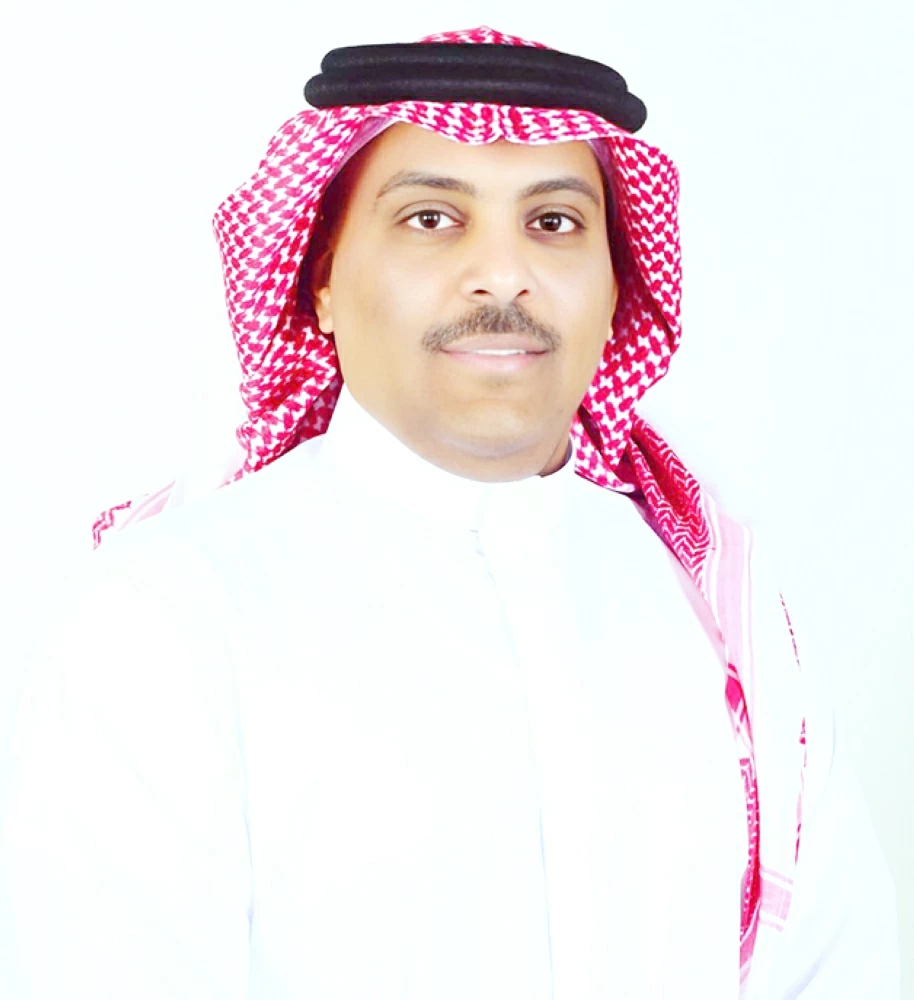
رامي الخليفة العلي
اتفاق سوري إسرائيلي يلوح في الأفق..!
24 سبتمبر 2025 - 00:36
|
آخر تحديث 24 سبتمبر 2025 - 00:36


تابع قناة عكاظ على الواتساب
تشكّل زيارة الرئيس السوري أحمد الشرع إلى الولايات المتحدة للمشاركة في اجتماعات الجمعية العامة للأمم المتحدة لحظة استثنائية بكل المقاييس، فهي ليست مجرد حضور بروتوكولي إلى منبر أممي، بل تعبير عن عودة سوريا إلى قلب المشهد الدولي بعد سنوات طويلة من الحرب والعزلة والعقوبات. فالشرع الذي برز خلال العام الماضي بوصفه شخصية كاريزمية قادرة على فرض حضورها في الداخل والخارج، يدرك أن هذه الزيارة تحمل في طياتها أكثر من رسالة؛ أولها أن دمشق الجديدة لم تعد أسيرة ماضيها المنغلق، بل تتجه إلى الانخراط في ترتيبات دولية تعكس واقعية سياسية وبراغماتية مدهشة. ومن أبرز الملفات المطروحة في هذا السياق الحديث المتزايد عن اتفاق أمني سوري إسرائيلي يجري بحثه بوساطة أمريكية، وهو اتفاق لو تحقق فإنه سيقلب الموازين في المنطقة، وسيعيد ترتيب الأولويات الإقليمية. بالنسبة للولايات المتحدة، فإن الرئيس دونالد ترمب ينظر إلى هذه الزيارة باعتبارها فرصة لتسجيل إنجاز سياسي يعزز صورته كصانع للسلام في منطقة تعثرت فيها معظم المبادرات الأمريكية السابقة. ولعل الاتفاق المحتمل بين دمشق وتل أبيب سيكون بمثابة الجائزة الكبرى لترمب، إذ سيمكنه من القول إنه نجح فيما عجز عنه أسلافه، أي كسر جدار العداء السوري الإسرائيلي. أما إسرائيل، فهي تتعامل مع الملف من زاوية أمنية بحتة، إذ تسعى إلى ضمان حدود هادئة ومستقرة مع جارتها الشمالية، وترغب في الحصول على ترتيبات أمنية تضمن تحييد أي تهديد مستقبلي، سواء من داخل سوريا أو عبر وكلاء إقليميين كحزب الله أو المجموعات المدعومة من الخارج. في المقابل، تراهن دمشق على أن الاعتراف الأمريكي والدولي بشرعيتها، عبر هذا المسار، سيمنحها ما يشبه شهادة الميلاد الجديدة، ويعيدها إلى قلب الخريطة الدبلوماسية والاقتصادية، خصوصاً أن أي اتفاق من هذا النوع سيفتح الباب أمام إعادة الإعمار ويساهم في استعادة العافية الاقتصادية. على صعيد الداخل السوري فمعظم الشعب السوري يرفض التطبيع مع إسرائيل، ويريد استعادة أرضه السليبة المتمثلة في هضبة الجولان المحتلة، لكن في الوقت نفسه يعلم أن البلاد منهكة اقتصادياً واجتماعياً وعسكرياً، وهي ما تزال تلملم جراحها وتستعيد وحدتها، وبالتالي هي غير مهيأة للدخول في حرب ستكون تكلفتها باهظة؛ لذلك يبدو خيار الاتفاق الأمني هو الخيار الأقل سوءاً في إطار الواقع السوري المعقّد باعتباره أفضل الممكنات. من هنا يمكن القول إن زيارة الشرع إلى نيويورك ليست تفصيلاً عابراً في جدول أعمال الأمم المتحدة، بل هي إعلان دخول سوريا في مرحلة جديدة من تاريخها، مرحلة الانتقال من موقع الدولة المحاصرة إلى موقع اللاعب الفاعل في المعادلات الإقليمية. وإذا ما تحقق الاتفاق الأمني مع إسرائيل بالفعل، فإن العالم لن يشهد مجرد اختراق في ملف شائك، بل سيشهد بداية إعادة رسم الخريطة السياسية للشرق الأوسط بأكمله، بما يفتح الباب أمام ترتيبات جديدة تضع حدّاً لصراعات مستمرة منذ عقود، وتعيد تعريف مفهوم الأمن الإقليمي على أسس جديدة.
The visit of Syrian President Ahmad al-Shara to the United States to participate in the meetings of the United Nations General Assembly represents an exceptional moment by all standards. It is not merely a ceremonial attendance at a global platform, but rather an expression of Syria's return to the heart of the international scene after many years of war, isolation, and sanctions. Al-Shara, who emerged last year as a charismatic figure capable of asserting his presence both domestically and internationally, understands that this visit carries more than one message; the first being that the new Damascus is no longer a prisoner of its closed past, but is moving towards engaging in international arrangements that reflect a stunning political realism and pragmatism. Among the most prominent issues being discussed in this context is the increasing talk of a Syrian-Israeli security agreement being mediated by the United States. If this agreement materializes, it would shift the balance in the region and rearrange regional priorities. For the United States, President Donald Trump views this visit as an opportunity to achieve a political accomplishment that enhances his image as a peacemaker in a region where most previous American initiatives have faltered. The potential agreement between Damascus and Tel Aviv could serve as the grand prize for Trump, allowing him to claim success in breaking the wall of Syrian-Israeli hostility, something his predecessors failed to do. As for Israel, it approaches the issue purely from a security perspective, seeking to ensure quiet and stable borders with its northern neighbor, and desires security arrangements that neutralize any future threats, whether from within Syria or through regional proxies like Hezbollah or foreign-backed groups. In contrast, Damascus bets that American and international recognition of its legitimacy through this path will grant it what resembles a new birth certificate, returning it to the heart of the diplomatic and economic map, especially since any agreement of this kind would open the door to reconstruction and contribute to economic recovery.
On the domestic front, most of the Syrian people reject normalization with Israel and want to regain their usurped land represented by the occupied Golan Heights. However, at the same time, they know that the country is economically, socially, and militarily exhausted, still healing its wounds and regaining its unity. Therefore, it is not prepared to enter into a war that would come at a high cost; thus, the option of a security agreement seems to be the least bad choice within the complex Syrian reality, as it represents the best of the possible options. From this perspective, it can be said that al-Shara's visit to New York is not a passing detail on the United Nations agenda, but rather an announcement of Syria entering a new phase in its history—a phase of transition from being a besieged state to being an active player in regional equations. If the security agreement with Israel is indeed realized, the world will witness not just a breakthrough in a thorny issue, but the beginning of a re-drawing of the political map of the entire Middle East, opening the door to new arrangements that could put an end to conflicts that have persisted for decades and redefine the concept of regional security on new foundations.