لم يكن اليوم الوطني في المملكة يوماً عابراً على الذاكرة؛ فهو منذ تأسيس الدولة الأولى وحتى عهدنا هذا يرسّخ معنى الاستمرارية والهوية. غير أن اليوم الوطني الخامس والتسعين يحمل خصوصية مختلفة، إذ يتزامن مع مرور عقد كامل على تسلَّم خادم الحرمين الشريفين الملك سلمان بن عبدالعزيز -حفظه الله- مقاليد الحكم، ومعه بدأ وطن بأكمله يخطو نحو مرحلة جديدة من التحول التاريخي.
عقد واحد من عمر الزمن كان كافياً ليكشف عن حجم التحول السعودي؛ قصير بمقاييس الأعمار، لكنه طويل بمعايير الإنجاز، إذ أعاد الملك سلمان تثبيت ركائز الدولة، فيما أطلق ولي العهد الأمير محمد بن سلمان رؤيةً غيرت ملامح الاقتصاد والسياسة والمجتمع، وأعادت تعريف مكانة المملكة في العالم. وبين رسوخ القائد وحيوية صانع التحول، وُلدت حقبة سعودية لا تشبه ما سبقها، وصار اليوم الوطني محطة لمراجعة ما تحقق، أكثر من كونه ذكرى نستعيدها.
وقد تجلّى معنى الرسوخ في القيادة السعودية خلال هذا العقد بوضوحٍ استثنائي في عهد خادم الحرمين الشريفين الملك سلمان بن عبدالعزيز، الذي تسلَّم مقاليد الحكم عام 2015 في مرحلة إقليمية ودولية دقيقة. واجهت المنطقة حينها تحولات غير مسبوقة: حروب، أزمات اقتصادية، تقلبات في أسواق الطاقة، وتبدلات في النظام الدولي. ومع ذلك، استطاعت المملكة أن تعبر هذه المرحلة الحساسة دون أن تهتز ركائزها أو تتزعزع مكانتها. لقد جسّد الملك سلمان معنى القيادة الراسخة، التي توازن بين صرامة القرار السياسي ومرونة بناء المؤسسات، فثبّت موقع الدولة داخلياً من خلال تعزيز الأنظمة القضائية والتشريعية، ودفع عملية الإصلاح الإداري، وإعادة هيكلة الوزارات بما يتلاءم مع متطلبات المرحلة. أما خارجياً، فقد حافظ على مكانة المملكة كدولة مرجعية في محيطها العربي والإسلامي، وقوة محورية في المعادلات الدولية. ولعل أبرز ما يميّز هذا العقد أن القيادة السعودية لم تنشغل بالاضطرابات المحيطة، بل جعلت من الاستقرار الداخلي قاعدة للانطلاق نحو التحول. فالمجتمع الذي يشعر بالأمان السياسي، والاقتصاد الذي يطمئن إلى استقرار مؤسساته، هما وحدهما القادران على الدخول في مشاريع تنموية كبرى دون خوف من الارتداد إلى الوراء. وهنا يتجلى معنى الرسوخ: أن تظل الدولة صلبة، حتى وهي تغيّر جلدها نحو المستقبل.
وفي موازاة هذا الرسوخ، برز ولي العهد الأمير محمد بن سلمان صانع التحول الوطني وملهم الرؤية التي كسرت أنماطاً تقليدية استمرت لعقود، فأعادت صياغة العلاقة بين الدولة والمجتمع، وفتحت أفقاً جديداً للمستقبل. لقد حمل الأمير محمد الرؤية من كونها مشروعاً اقتصادياً إلى أن أصبحت فلسفة وطنية شاملة، تُعيد تعريف معنى التنمية ذاتها، وتجعل الإنسان محوراً لها والاقتصاد وسيلتها والمكانة الدولية أفقها الأوسع. ولعل ما يميّز هذا التحول أن الأمير محمد لم يراهن على الخارج بقدر ما استند إلى الداخل، إلى سواعد أبناء الوطن الذين وصفهم بأنهم القادرون على مفاجأة العالم بإنجازاتهم. وهنا يتضح أن مشروعه التنموي لم يكن مجرد خطط رقمية، بل إيمان عميق بأن الموارد البشرية الوطنية هي الأداة الأولى للبناء، وهي الضمانة الحقيقية لتحقيق الطموح السعودي في موقعه الجديد بين الأمم. فبفضل جرأته في طرح الأسئلة الكبرى، وتحديه للتقليدي والمألوف، تمكن من وضع المملكة في قلب حوارات العالم حول الطاقة المتجددة، والذكاء الصناعي، والاستدامة، وصار اسم السعودية مقترناً بالطموح والتجديد. وهكذا بات التحول الذي يقوده ولي العهد ليس مجرد خطة زمنية، بل مسار يعيد رسم موقع المملكة في التاريخ والجغرافيا معاً.
اليوم الوطني لم يعد مناسبة لترديد الحكاية ذاتها؛ بل صار أشبه بميزان نقيس به أين كنا وأين أصبحنا. من «نيوم» إلى «البحر الأحمر»، ومن صندوق الاستثمارات العامة الذي أضحى قوةً تُعيد تشكيل خريطة الاقتصاد العالمي، إلى استضافة المملكة لكأس العالم 2034 بما يحمله من رمزية حضارية واقتصادية، تقدّم السعودية اليوم صورة جديدة عن نفسها: دولة لم تعد تكتفي بالمكانة الإقليمية، بل ترسّخت كقوة دولية تفرض حضورها في مسار الاقتصاد والسياسة والرياضة والثقافة معاً.
وعلى الصعيد الاقتصادي، برزت المملكة كلاعب عالمي جديد، إذ لم تعد تعتمد على النفط كمورد رئيسي، بل أطلقت سلسلة مشاريع تنموية واستثمارية وضعت صندوق الاستثمارات العامة في مصاف الصناديق السيادية الكبرى عالمياً، وجعلت السعودية مقصداً للشركات الدولية والابتكارات المستقبلية. ولعل ما يميز هذه المرحلة أن المملكة لم تعد مستهلكاً للتقنية فحسب، بل صارت ركناً مساهماً في صناعتها، فمن الطاقة المتجددة إلى الذكاء الصناعي، ومن البنية التحتية السياحية إلى المشاريع الخضراء التي تتقدم بها في المنتديات الدولية. هذه الإنجازات ليست مجرد أرقام على الورق، بل فلسفة جديدة ترى أن الثروة الحقيقية تُقاس بقدرة الدولة على تنويع مواردها وصناعة المستقبل لشعبها.
كما لم يكن التحول السعودي مقتصراً على الاقتصاد فحسب، بل امتد إلى بنية المجتمع ذاته، من خلال إصلاحات تاريخية في مجال حقوق الإنسان وتمكين المرأة. فخلال سنوات قليلة، انتقلت المملكة من صورة تقليدية إلى نموذج يحقق التوازن بين الأصالة والانفتاح، فسمح للمرأة بالقيادة والعمل والمشاركة في الفضاء العام، وأُنشئت أنظمة جديدة لحماية الحقوق، تعكس التزاماً حقيقياً بالمعايير الإنسانية الحديثة دون أن تفقد المملكة خصوصيتها الثقافية. هذه الإصلاحات لم تكن شكلية أو دعائية، بل جاءت ضمن مشروع شامل لتوسيع قاعدة المشاركة في التنمية، فالمجتمع المتوازن لا يُبنى بالاقتصاد وحده، وإنما بقيم العدالة والحقوق والفرص المتكافئة. وهكذا ارتبطت رؤية 2030 بمفهوم إنساني عميق: أن التنمية لا تتحقق إلا إذا كان الإنسان رجلاً كان أو امرأة في قلبها.
وتتجلّى هذه الرؤية في إنجازات كبرى باتت عناوين لمرحلة سعودية جديدة، فالإنجازات الكبرى، من نيوم التي تُعد مختبراً عالمياً للمستقبل، إلى مشروع البحر الأحمر الذي يعيد تعريف السياحة المستدامة، ومن تطوير الدرعية كهوية تاريخية حديثة، إلى استضافة المملكة لمحافل دولية كبرى مثل قمة العشرين، ثم دورها في جمع القوى الكبرى على طاولة واحدة في محادثات وحوارات شملت حتى المتخاصمين من الشرق والغرب كلها شواهد على أن التحول السعودي لم يعد شأناً محلياً، بل أصبح قصة ملهمة للعالم بأسره. لقد تحوّل اليوم الوطني إلى محطة يراقبها العالم، بوصفها معياراً لمدى التقدم في منطقة كانت تُقرأ سابقاً بعيون الآخرين، فأصبحت المملكة اليوم مرجعاً تقيس به المؤسسات الدولية تحولات الاقتصاد والاستقرار والسيادة الرقمية.
وكما لم يكن اليوم الوطني حدثاً عابراً على الذاكرة، فإنه في ذكراه الخامسة والتسعين يغدو نافذة على المستقبل أكثر من كونه عودة إلى الماضي. فمنذ 2015 وحتى اليوم، تغيّرت صورة المملكة في أذهان العالم، من دولة تعتمد على النفط إلى دولة تعيد تعريف مفهوم التنمية ذاته. وبين قيادة رسخت الاستقرار، ورؤية صاغت التحول، وُلدت حقبة جديدة، لا يُقاس فيها الوطن بما كان، بل بما سيكون. واليوم الوطني إذن ليس مجرد ذكرى، بل عقد اجتماعي جديد بين القيادة والشعب، يُجدد فيه السعوديون ثقتهم بأن مستقبلهم لن يُصنع بالصدفة، بل يُبنى بتخطيط إستراتيجي وجرأة استثنائية. 95 عاماً من المجد هي رصيد الماضي، أما عقد الريادة فهو وعد المستقبل، وفي هذا التلاقي بين المجد والريادة تُكتب القصة السعودية التي لن ينساها التاريخ.
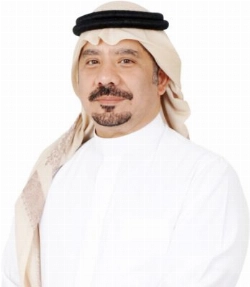
فراس طرابلسي
95 عاماً من المجد.. وعقد من الريادة
23 سبتمبر 2025 - 00:36
|
آخر تحديث 23 سبتمبر 2025 - 00:36


تابع قناة عكاظ على الواتساب
The National Day in the Kingdom is not just a fleeting memory; since the establishment of the first state until our present time, it has solidified the meaning of continuity and identity. However, the ninety-fifth National Day carries a unique significance, as it coincides with a full decade since the Custodian of the Two Holy Mosques, King Salman bin Abdulaziz - may God protect him - assumed power, marking the beginning of a nation stepping into a new phase of historical transformation.
A single decade was enough to reveal the extent of Saudi transformation; short by age standards, yet long by achievement metrics. King Salman has reaffirmed the pillars of the state, while Crown Prince Mohammed bin Salman launched a vision that changed the landscape of the economy, politics, and society, redefining the Kingdom's status in the world. Between the steadfastness of the leader and the dynamism of the architect of transformation, a Saudi era was born that is unlike any that preceded it, and National Day has become a station for reviewing what has been achieved, more than just a memory we recall.
The meaning of steadfastness in Saudi leadership has manifested exceptionally during this decade under the reign of the Custodian of the Two Holy Mosques, King Salman bin Abdulaziz, who took the reins of power in 2015 during a critical regional and international phase. At that time, the region faced unprecedented transformations: wars, economic crises, fluctuations in energy markets, and changes in the international system. Nevertheless, the Kingdom was able to navigate this sensitive phase without shaking its foundations or destabilizing its position. King Salman embodied the meaning of steadfast leadership, balancing the firmness of political decision-making with the flexibility of institutional building, solidifying the state's position internally by enhancing judicial and legislative systems, driving administrative reform, and restructuring ministries to meet the requirements of the phase. Externally, he maintained the Kingdom's status as a reference state in its Arab and Islamic surroundings and a pivotal force in international equations. Perhaps what distinguishes this decade is that Saudi leadership did not become preoccupied with the surrounding turmoil but made internal stability a base for launching transformation. A society that feels political security and an economy that reassures stability in its institutions are the only ones capable of entering into major developmental projects without fear of regression. Here, the meaning of steadfastness is evident: for the state to remain solid, even as it sheds its skin towards the future.
Alongside this steadfastness, Crown Prince Mohammed bin Salman emerged as the architect of national transformation and the inspirer of a vision that broke traditional patterns that had persisted for decades, reshaping the relationship between the state and society and opening a new horizon for the future. Prince Mohammed carried the vision from being an economic project to becoming a comprehensive national philosophy that redefines the very meaning of development, making the human being its core, the economy its means, and the international standing its broadest horizon. What distinguishes this transformation is that Prince Mohammed did not rely on external factors as much as he leaned on internal resources, on the shoulders of the nation's sons whom he described as capable of surprising the world with their achievements. Here, it becomes clear that his developmental project was not merely numerical plans but a deep belief that national human resources are the primary tool for building and the true guarantee for achieving Saudi aspirations in its new position among nations. Thanks to his boldness in posing major questions and challenging the traditional and the familiar, he was able to place the Kingdom at the heart of global discussions on renewable energy, artificial intelligence, and sustainability, and Saudi Arabia's name became associated with ambition and renewal. Thus, the transformation led by the Crown Prince is not just a timeline plan but a path that redraws the Kingdom's position in both history and geography.
National Day is no longer an occasion to repeat the same story; it has become more like a scale by which we measure where we were and where we have become. From "Neom" to "the Red Sea," and from the Public Investment Fund, which has become a force reshaping the global economic map, to the Kingdom hosting the 2034 World Cup with its cultural and economic symbolism, Saudi Arabia today presents a new image of itself: a state that no longer settles for regional status but has solidified as an international power imposing its presence in the realms of economy, politics, sports, and culture together.
Economically, the Kingdom has emerged as a new global player, no longer relying on oil as a primary resource but launching a series of developmental and investment projects that have placed the Public Investment Fund among the ranks of the world's major sovereign funds, making Saudi Arabia a destination for international companies and future innovations. What characterizes this phase is that the Kingdom is no longer just a consumer of technology but has become a contributing pillar in its production, from renewable energy to artificial intelligence, and from tourism infrastructure to green projects that it advances in international forums. These achievements are not merely numbers on paper but a new philosophy that sees true wealth as being measured by the state's ability to diversify its resources and create a future for its people.
Moreover, the Saudi transformation has not been limited to the economy alone but has extended to the very structure of society through historic reforms in human rights and women's empowerment. In just a few years, the Kingdom transitioned from a traditional image to a model that achieves a balance between authenticity and openness, allowing women to drive, work, and participate in the public sphere, and new systems were established to protect rights, reflecting a genuine commitment to modern human standards without losing the Kingdom's cultural uniqueness. These reforms were not merely formal or promotional but came as part of a comprehensive project to expand the base of participation in development; a balanced society cannot be built solely on the economy but rather on the values of justice, rights, and equal opportunities. Thus, Vision 2030 is linked to a profound human concept: that development can only be achieved if the human being, whether male or female, is at its heart.
This vision is manifested in major achievements that have become hallmarks of a new Saudi phase, with significant accomplishments ranging from Neom, which is considered a global laboratory for the future, to the Red Sea project that redefines sustainable tourism, from developing Diriyah as a modern historical identity to the Kingdom hosting major international forums such as the G20 summit, and its role in bringing major powers to the same table in discussions and dialogues that even included adversaries from the East and West—all evidence that the Saudi transformation is no longer a local matter but has become an inspiring story for the entire world. National Day has transformed into a station observed by the world, serving as a benchmark for progress in a region that was previously viewed through the eyes of others, and today the Kingdom has become a reference point by which international institutions measure transformations in economy, stability, and digital sovereignty.
Just as National Day was not a fleeting event in memory, its ninety-fifth anniversary becomes a window to the future more than a return to the past. Since 2015 until today, the image of the Kingdom in the minds of the world has changed, from a country dependent on oil to a country redefining the very concept of development. Between a leadership that has solidified stability and a vision that has shaped transformation, a new era has been born, where the nation is measured not by what it was, but by what it will be. Therefore, National Day is not just a memory but a new social contract between the leadership and the people, in which Saudis renew their confidence that their future will not be made by chance but will be built through strategic planning and exceptional boldness. Ninety-five years of glory are the legacy of the past, while the decade of leadership is the promise of the future, and in this convergence between glory and leadership, the Saudi story is being written that history will not forget.
A single decade was enough to reveal the extent of Saudi transformation; short by age standards, yet long by achievement metrics. King Salman has reaffirmed the pillars of the state, while Crown Prince Mohammed bin Salman launched a vision that changed the landscape of the economy, politics, and society, redefining the Kingdom's status in the world. Between the steadfastness of the leader and the dynamism of the architect of transformation, a Saudi era was born that is unlike any that preceded it, and National Day has become a station for reviewing what has been achieved, more than just a memory we recall.
The meaning of steadfastness in Saudi leadership has manifested exceptionally during this decade under the reign of the Custodian of the Two Holy Mosques, King Salman bin Abdulaziz, who took the reins of power in 2015 during a critical regional and international phase. At that time, the region faced unprecedented transformations: wars, economic crises, fluctuations in energy markets, and changes in the international system. Nevertheless, the Kingdom was able to navigate this sensitive phase without shaking its foundations or destabilizing its position. King Salman embodied the meaning of steadfast leadership, balancing the firmness of political decision-making with the flexibility of institutional building, solidifying the state's position internally by enhancing judicial and legislative systems, driving administrative reform, and restructuring ministries to meet the requirements of the phase. Externally, he maintained the Kingdom's status as a reference state in its Arab and Islamic surroundings and a pivotal force in international equations. Perhaps what distinguishes this decade is that Saudi leadership did not become preoccupied with the surrounding turmoil but made internal stability a base for launching transformation. A society that feels political security and an economy that reassures stability in its institutions are the only ones capable of entering into major developmental projects without fear of regression. Here, the meaning of steadfastness is evident: for the state to remain solid, even as it sheds its skin towards the future.
Alongside this steadfastness, Crown Prince Mohammed bin Salman emerged as the architect of national transformation and the inspirer of a vision that broke traditional patterns that had persisted for decades, reshaping the relationship between the state and society and opening a new horizon for the future. Prince Mohammed carried the vision from being an economic project to becoming a comprehensive national philosophy that redefines the very meaning of development, making the human being its core, the economy its means, and the international standing its broadest horizon. What distinguishes this transformation is that Prince Mohammed did not rely on external factors as much as he leaned on internal resources, on the shoulders of the nation's sons whom he described as capable of surprising the world with their achievements. Here, it becomes clear that his developmental project was not merely numerical plans but a deep belief that national human resources are the primary tool for building and the true guarantee for achieving Saudi aspirations in its new position among nations. Thanks to his boldness in posing major questions and challenging the traditional and the familiar, he was able to place the Kingdom at the heart of global discussions on renewable energy, artificial intelligence, and sustainability, and Saudi Arabia's name became associated with ambition and renewal. Thus, the transformation led by the Crown Prince is not just a timeline plan but a path that redraws the Kingdom's position in both history and geography.
National Day is no longer an occasion to repeat the same story; it has become more like a scale by which we measure where we were and where we have become. From "Neom" to "the Red Sea," and from the Public Investment Fund, which has become a force reshaping the global economic map, to the Kingdom hosting the 2034 World Cup with its cultural and economic symbolism, Saudi Arabia today presents a new image of itself: a state that no longer settles for regional status but has solidified as an international power imposing its presence in the realms of economy, politics, sports, and culture together.
Economically, the Kingdom has emerged as a new global player, no longer relying on oil as a primary resource but launching a series of developmental and investment projects that have placed the Public Investment Fund among the ranks of the world's major sovereign funds, making Saudi Arabia a destination for international companies and future innovations. What characterizes this phase is that the Kingdom is no longer just a consumer of technology but has become a contributing pillar in its production, from renewable energy to artificial intelligence, and from tourism infrastructure to green projects that it advances in international forums. These achievements are not merely numbers on paper but a new philosophy that sees true wealth as being measured by the state's ability to diversify its resources and create a future for its people.
Moreover, the Saudi transformation has not been limited to the economy alone but has extended to the very structure of society through historic reforms in human rights and women's empowerment. In just a few years, the Kingdom transitioned from a traditional image to a model that achieves a balance between authenticity and openness, allowing women to drive, work, and participate in the public sphere, and new systems were established to protect rights, reflecting a genuine commitment to modern human standards without losing the Kingdom's cultural uniqueness. These reforms were not merely formal or promotional but came as part of a comprehensive project to expand the base of participation in development; a balanced society cannot be built solely on the economy but rather on the values of justice, rights, and equal opportunities. Thus, Vision 2030 is linked to a profound human concept: that development can only be achieved if the human being, whether male or female, is at its heart.
This vision is manifested in major achievements that have become hallmarks of a new Saudi phase, with significant accomplishments ranging from Neom, which is considered a global laboratory for the future, to the Red Sea project that redefines sustainable tourism, from developing Diriyah as a modern historical identity to the Kingdom hosting major international forums such as the G20 summit, and its role in bringing major powers to the same table in discussions and dialogues that even included adversaries from the East and West—all evidence that the Saudi transformation is no longer a local matter but has become an inspiring story for the entire world. National Day has transformed into a station observed by the world, serving as a benchmark for progress in a region that was previously viewed through the eyes of others, and today the Kingdom has become a reference point by which international institutions measure transformations in economy, stability, and digital sovereignty.
Just as National Day was not a fleeting event in memory, its ninety-fifth anniversary becomes a window to the future more than a return to the past. Since 2015 until today, the image of the Kingdom in the minds of the world has changed, from a country dependent on oil to a country redefining the very concept of development. Between a leadership that has solidified stability and a vision that has shaped transformation, a new era has been born, where the nation is measured not by what it was, but by what it will be. Therefore, National Day is not just a memory but a new social contract between the leadership and the people, in which Saudis renew their confidence that their future will not be made by chance but will be built through strategic planning and exceptional boldness. Ninety-five years of glory are the legacy of the past, while the decade of leadership is the promise of the future, and in this convergence between glory and leadership, the Saudi story is being written that history will not forget.