في الأسابيع الأخيرة، خطا مجلس الشيوخ الإيطالي خطوة لافتة بإقراره مشروع قانون جديد يفرض متطلبات صارمة على استخدامات الذكاء الاصطناعي، في محاولة لمواءمة التشريعات الوطنية مع قانون الاتحاد الأوروبي، مع إضافة أولويات محلية تعكس هواجس الأمن والشفافية وإدارة المخاطر. وفي قلب هذه الخطوة يتجلى واقعٌ لا يمكن إنكاره: العالم يتحرك بسرعة لوضع أطر قانونية دقيقة تنظم التقنية الأكثر تأثيراً في حاضرنا ومستقبلنا. والسؤال الذي يفرض نفسه اليوم: متى نرى الإطار السعودي الخاص بنا؟
تجارب أوروبا وفي مقدمتها التشريع الإيطالي الأخير تعكس إدراكاً متنامياً بأن الذكاء الاصطناعي ليس مجرد أداة تقنية، بل قوة مؤثرة في القرارات المصيرية، سواء في الرعاية الصحية، أو التعليم، أو إنفاذ القانون، أو التوظيف. اشتراط تقييم المخاطر، وفرض الرقابة البشرية على القرارات الحسّاسة، ووسم المحتوى المُنتج بالذكاء الاصطناعي، وتأسيس هيئات تنظيمية متخصصة... كلها عناصر تترجم وعياً بأن السلامة والشفافية لا تقل أهمية عن الابتكار نفسه. وبالنسبة لنا في السعودية، فإن النظر إلى هذه التجارب يمنحنا فرصة لتبني أفضل الممارسات مع صياغة إطار ينسجم مع أولوياتنا الوطنية، بدل الاكتفاء باستيراد القوانين كما هي.
الحديث عن «ذكاء اصطناعي بلسان سعودي» الذي تناولته في مقالي السابق لم يكن مقصوراً على اللغة والمحتوى، بل يمتد بطبيعته إلى القواعد المنظمة التي تحكم هذه التقنية في بيئتنا المحلية. إطارنا الوطني يجب أن يعكس هويتنا الثقافية، ويحمي أمننا السيبراني، ويتكامل مع مسار التحوّل الرقمي الذي تقوده رؤية 2030. فالمعايير التي نضعها لأنفسنا اليوم ستحدد موقعنا في الخريطة التكنولوجية غداً، سواء كمُشرّعين فاعلين أو كمستهلكين تابعين.
ملامح هذا الإطار المنشود لا تحتاج أن تبدأ من فراغ؛ بل يمكن أن تبنى على أسس واضحة: تصنيف محلي للأنظمة عالية الخطورة وفق احتياجاتنا، اشتراط مراجعة بشرية في القرارات التي تمس الحقوق والحريات، فرض الشفافية في خوارزميات الشركات العاملة، ووضع ضوابط أخلاقية تنبثق من قيمنا الوطنية والدينية. والأهم أن تكون هذه المعايير ديناميكية، قادرة على التطوّر مع تسارع التقنية بدل أن تتجمد عند نقطة زمنية محددة.
فاليوم، ومع بداية فعلية وجادة للسباق التشريعي العالمي، أصبح من يكتفي بالمشاهدة سيجد نفسه لاحقاً في موقع الملتزم بتطبيق معايير الآخرين لا واضعًا لمعاييره الخاصة. السعودية تملك من المقوّمات والقدرات ما يجعلها لاعباً رئيسياً في صياغة قواعد الذكاء الاصطناعي عالمياً، إذا بادرت لوضع إطار وطني متكامل يوازن بين الابتكار والحماية. الفرصة لا تزال بأيدينا، لكن زمن المبادرة لا ينتظر طويلاً.
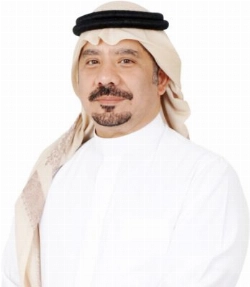
فراس طرابلسي
الذكاء الاصطناعي تحت المجهر: متى نرى الإطار السعودي؟
29 أغسطس 2025 - 00:07
|
آخر تحديث 29 أغسطس 2025 - 00:07


تابع قناة عكاظ على الواتساب
In recent weeks, the Italian Senate has taken a notable step by approving a new bill that imposes strict requirements on the uses of artificial intelligence, in an attempt to align national legislation with European Union law, while adding local priorities that reflect concerns about security, transparency, and risk management. At the heart of this step lies an undeniable reality: the world is rapidly moving to establish precise legal frameworks that regulate the most influential technology in our present and future. The question that arises today is: when will we see our own Saudi framework?
Europe's experiences, particularly the recent Italian legislation, reflect a growing awareness that artificial intelligence is not just a technical tool, but a powerful force in critical decision-making, whether in healthcare, education, law enforcement, or employment. The requirement for risk assessment, imposing human oversight on sensitive decisions, labeling AI-generated content, and establishing specialized regulatory bodies... all these elements translate into an understanding that safety and transparency are just as important as innovation itself. For us in Saudi Arabia, looking at these experiences gives us an opportunity to adopt best practices while formulating a framework that aligns with our national priorities, rather than merely importing laws as they are.
The discussion about "Artificial Intelligence with a Saudi tongue," which I addressed in my previous article, was not limited to language and content but naturally extends to the regulatory frameworks governing this technology in our local environment. Our national framework must reflect our cultural identity, protect our cybersecurity, and integrate with the digital transformation path led by Vision 2030. The standards we set for ourselves today will determine our position on the technological map tomorrow, whether as active legislators or as dependent consumers.
The features of this desired framework do not need to start from scratch; rather, they can be built on clear foundations: a local classification of high-risk systems according to our needs, requiring human review in decisions that affect rights and freedoms, imposing transparency in the algorithms of operating companies, and establishing ethical controls that stem from our national and religious values. Most importantly, these standards should be dynamic, capable of evolving with the acceleration of technology rather than freezing at a specific point in time.
Today, with the serious and actual beginning of the global legislative race, those who merely watch will find themselves later in a position of having to comply with the standards of others rather than establishing their own. Saudi Arabia possesses the resources and capabilities to be a key player in shaping global artificial intelligence rules if it takes the initiative to establish a comprehensive national framework that balances innovation and protection. The opportunity is still in our hands, but the time for initiative does not wait long.
Europe's experiences, particularly the recent Italian legislation, reflect a growing awareness that artificial intelligence is not just a technical tool, but a powerful force in critical decision-making, whether in healthcare, education, law enforcement, or employment. The requirement for risk assessment, imposing human oversight on sensitive decisions, labeling AI-generated content, and establishing specialized regulatory bodies... all these elements translate into an understanding that safety and transparency are just as important as innovation itself. For us in Saudi Arabia, looking at these experiences gives us an opportunity to adopt best practices while formulating a framework that aligns with our national priorities, rather than merely importing laws as they are.
The discussion about "Artificial Intelligence with a Saudi tongue," which I addressed in my previous article, was not limited to language and content but naturally extends to the regulatory frameworks governing this technology in our local environment. Our national framework must reflect our cultural identity, protect our cybersecurity, and integrate with the digital transformation path led by Vision 2030. The standards we set for ourselves today will determine our position on the technological map tomorrow, whether as active legislators or as dependent consumers.
The features of this desired framework do not need to start from scratch; rather, they can be built on clear foundations: a local classification of high-risk systems according to our needs, requiring human review in decisions that affect rights and freedoms, imposing transparency in the algorithms of operating companies, and establishing ethical controls that stem from our national and religious values. Most importantly, these standards should be dynamic, capable of evolving with the acceleration of technology rather than freezing at a specific point in time.
Today, with the serious and actual beginning of the global legislative race, those who merely watch will find themselves later in a position of having to comply with the standards of others rather than establishing their own. Saudi Arabia possesses the resources and capabilities to be a key player in shaping global artificial intelligence rules if it takes the initiative to establish a comprehensive national framework that balances innovation and protection. The opportunity is still in our hands, but the time for initiative does not wait long.