لا يكاد يمر خبر عن تعيين قيادي أجنبي في إحدى الشركات الكبرى إلا ويُثار النقاش حول حجم ما يتقاضاه من حزم مالية ضخمة قد تصل إلى مليون ريال سنويًا أو أكثر. غير أن هذه الأرقام لا تُقرأ بمعزل عن واقع تلك الشركات، فهي في معظمها شركات مساهمة كبرى، ذات هياكل مؤسسية صارمة، وإدارات مالية منضبطة، وقادرة على توليد أرباح ضخمة تجعلها مؤهلة لدفع مثل هذه المكافآت العالية.
لكن الصورة الأوسع تقول شيئاً آخر: المملكة اليوم لم تعد في مرحلة سدّ النقص القيادي عبر الاستعانة الكاملة بالخبرات الأجنبية. فخلال العقدين الماضيين، أُنفقت مليارات الريالات على جودة التعليم المحلي، وأُطلقت برامج ابتعاث خارجي مكثفة، وأُنشئت مبادرات لتأهيل القيادات، فضلاً عن احتكاك مباشر مع كبريات الشركات الدولية في مشاريع رؤية 2030. كل ذلك أسّس قاعدة صلبة من الكوادر الوطنية التي أثبتت جدارتها في قيادة مشروعات عملاقة وهيئات وطنية ذات وزن.
التجربة العملية تثبت أن السعودي لم يعد مجرد موظف تنفيذي، بل صار شريكاً في صياغة القرار وإدارة المؤسسات. وهذا لا ينفي دور الأجنبي، بل يضعه في حجمه الطبيعي: مستشاراً وممكّناً، لا بديلاً. فالقيمة المضافة للخبير الأجنبي اليوم تُقاس بمدى مساهمته في تطوير الكادر الوطني، ونقل المعرفة، وتحقيق مؤشرات أداء واضحة، لا بمجرد وجوده على رأس الهرم.
من هنا تصبح الأجور الاستثنائية مشروطة بالنتائج: نمو الدخل، تحسين الحوكمة، وتطوير القيادات المحلية. فالمقياس الحقيقي ليس في المبلغ الذي يُدفع، بل في الأثر الذي ينعكس على المؤسسة والسوق الوطني. وإن كان لا بد للأجنبي أن يحصل على مزايا مالية سخية، فإن المقابل المنطقي هو نجاحه في تعزيز المنجز الوطني وإعداد جيل قادر على مواصلة المسيرة.
السعودية اليوم في مرحلة نضج اقتصادي وتنظيمي؛ مرحلة لم يعد فيها الاعتماد المطلق على الخارج خياراً. لقد أنفقت الدولة بسخاء على التعليم والابتعاث لتصنع قيادات وطنية هي رأس المال الحقيقي للمستقبل. ومع ذلك، يبقى للأجنبي دور مهم، إذا ما حُصر في الاستشارة والتمكين، لا القيادة المنفردة.
إن الوطن لا يقوم إلا على أكتاف أبنائه. ومعادلة السوق السعودي في هذه المرحلة واضحة: العقود الضخمة لا تُبررها إلا النتائج، والنتائج الحقيقية تُقاس بقدرة القيادات الوطنية على حمل الراية، فيما يبقى دور الخبرات الأجنبية مكمّلاً وداعماً، لا بديلاً.
مقترحات لإنجاح مبادرة وضع السعودي في المناصب القيادية:
1. ربط الأجر بالنتائج: أن تُقيَّم العقود المميزة للأجانب بمؤشرات أداء واضحة في الأرباح، والحوكمة، وتطوير الكفاءات الوطنية.
2. إعادة تعريف دور الأجنبي: يكون الأجنبي مستشاراً أو عضواً في لجان تنفيذية، دوره الأساسي نقل الخبرة وتطوير الجيل الثاني والثالث من القيادات السعودية.
3. تمكين متدرج للكوادر الوطنية: منح السعوديين أدواراً قيادية حقيقية مع استمرار الاستثمار في التعليم والتأهيل، لضمان أن تصبح الإدارة الوطنية قاعدة لا استثناء.
4. إدخال ضريبة محددة على الدخل الاستثنائي للأجانب: أن يُنظر في تطبيق ضريبة خاصة على الدخول التنفيذية العالية التي يتقاضاها غير السعوديين، أسوة بما هو معمول به في معظم الاقتصادات الكبرى. ليس المقصود تقليص جاذبية السوق السعودي، بل تحقيق توازن وعدالة، بحيث تسهم هذه العوائد في دعم برامج تأهيل القيادات الوطنية، ويصبح وجود الأجنبي جزءاً من دورة تنمية شاملة لا عبئاً مالياً صرفاً.
وختاماً، ومع وضوح هذه المعادلة، يبقى من المهم التأكيد أن الأجنبي مكرَّم ومرحَّب به، لا سيما حين يتجلى دوره كمستشار للإدارة التنفيذية، وعضو في لجان متخصصة تُسهم في تطوير الجيل الثاني والثالث من المديرين التنفيذيين السعوديين. فبدون هذا التكامل ستظل فجوة الخبرة قائمة، وسيبقى الجيل القادم بحاجة إلى مزيج من المعرفة المحلية والخبرة العالمية. أما الهدف النهائي فيبقى ثابتاً: أن تكون إدارة الشركات الوطنية ناجحة ومستدامة بأبناء الوطن، مدعومة بخبرة الأصدقاء والشركاء الأجانب.
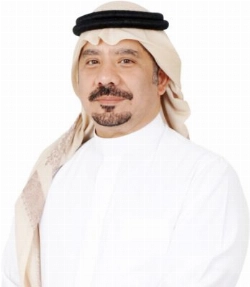
فراس طرابلسي
الرواتب المليونية ومعادلة القيادات الوطنية
22 أغسطس 2025 - 00:02
|
آخر تحديث 22 أغسطس 2025 - 00:02


تابع قناة عكاظ على الواتساب
It is rare for news about the appointment of a foreign executive in one of the major companies to pass without discussions arising about the size of the substantial financial packages they receive, which may reach a million riyals annually or more. However, these figures cannot be viewed in isolation from the reality of those companies; most of them are large joint-stock companies with strict institutional structures, disciplined financial management, and the ability to generate massive profits that qualify them to pay such high rewards.
But the broader picture tells another story: the Kingdom today is no longer in a phase of filling leadership gaps solely through the complete reliance on foreign expertise. Over the past two decades, billions of riyals have been spent on improving local education, intensive external scholarship programs have been launched, and initiatives have been established to qualify leaders, in addition to direct interaction with major international companies in the Vision 2030 projects. All of this has established a solid base of national cadres that have proven their competence in leading giant projects and significant national bodies.
Practical experience shows that Saudis are no longer just executive employees; they have become partners in decision-making and managing institutions. This does not negate the role of foreigners but rather places it in its natural size: as advisors and enablers, not as substitutes. The added value of foreign experts today is measured by their contribution to developing the national workforce, transferring knowledge, and achieving clear performance indicators, not merely by their presence at the top of the hierarchy.
From here, exceptional salaries become conditional on results: income growth, improving governance, and developing local leadership. The real measure is not the amount paid but the impact reflected on the institution and the national market. If a foreigner must receive generous financial benefits, the logical counterpart is their success in enhancing national achievements and preparing a generation capable of continuing the journey.
Saudi Arabia today is in a phase of economic and organizational maturity; a phase where absolute reliance on foreign expertise is no longer an option. The state has generously invested in education and scholarships to create national leadership, which is the true capital for the future. Nevertheless, the foreigner still has an important role, provided it is confined to consultation and empowerment, not unilateral leadership.
The nation can only stand on the shoulders of its children. The equation of the Saudi market at this stage is clear: massive contracts are justified only by results, and real results are measured by the ability of national leadership to carry the banner, while the role of foreign expertise remains complementary and supportive, not a substitute.
Suggestions for successfully placing Saudis in leadership positions:
1. Linking pay to results: Exceptional contracts for foreigners should be evaluated based on clear performance indicators in profits, governance, and the development of national competencies.
2. Redefining the role of foreigners: Foreigners should be advisors or members of executive committees, with their primary role being to transfer expertise and develop the second and third generations of Saudi leadership.
3. Gradual empowerment of national cadres: Granting Saudis real leadership roles while continuing to invest in education and qualification, to ensure that national management becomes the norm, not the exception.
4. Introducing a specific tax on exceptional income for foreigners: Consider applying a special tax on high executive incomes received by non-Saudis, similar to what is practiced in most major economies. The aim is not to reduce the attractiveness of the Saudi market but to achieve balance and fairness, so that these revenues contribute to supporting programs for qualifying national leadership, making the presence of foreigners part of a comprehensive development cycle, not merely a financial burden.
In conclusion, with the clarity of this equation, it remains important to emphasize that foreigners are honored and welcomed, especially when their role manifests as advisors to executive management and members of specialized committees that contribute to developing the second and third generations of Saudi executives. Without this integration, the experience gap will persist, and the next generation will continue to need a mix of local knowledge and global expertise. The ultimate goal remains constant: for the management of national companies to be successful and sustainable with the children of the nation, supported by the expertise of foreign friends and partners.
But the broader picture tells another story: the Kingdom today is no longer in a phase of filling leadership gaps solely through the complete reliance on foreign expertise. Over the past two decades, billions of riyals have been spent on improving local education, intensive external scholarship programs have been launched, and initiatives have been established to qualify leaders, in addition to direct interaction with major international companies in the Vision 2030 projects. All of this has established a solid base of national cadres that have proven their competence in leading giant projects and significant national bodies.
Practical experience shows that Saudis are no longer just executive employees; they have become partners in decision-making and managing institutions. This does not negate the role of foreigners but rather places it in its natural size: as advisors and enablers, not as substitutes. The added value of foreign experts today is measured by their contribution to developing the national workforce, transferring knowledge, and achieving clear performance indicators, not merely by their presence at the top of the hierarchy.
From here, exceptional salaries become conditional on results: income growth, improving governance, and developing local leadership. The real measure is not the amount paid but the impact reflected on the institution and the national market. If a foreigner must receive generous financial benefits, the logical counterpart is their success in enhancing national achievements and preparing a generation capable of continuing the journey.
Saudi Arabia today is in a phase of economic and organizational maturity; a phase where absolute reliance on foreign expertise is no longer an option. The state has generously invested in education and scholarships to create national leadership, which is the true capital for the future. Nevertheless, the foreigner still has an important role, provided it is confined to consultation and empowerment, not unilateral leadership.
The nation can only stand on the shoulders of its children. The equation of the Saudi market at this stage is clear: massive contracts are justified only by results, and real results are measured by the ability of national leadership to carry the banner, while the role of foreign expertise remains complementary and supportive, not a substitute.
Suggestions for successfully placing Saudis in leadership positions:
1. Linking pay to results: Exceptional contracts for foreigners should be evaluated based on clear performance indicators in profits, governance, and the development of national competencies.
2. Redefining the role of foreigners: Foreigners should be advisors or members of executive committees, with their primary role being to transfer expertise and develop the second and third generations of Saudi leadership.
3. Gradual empowerment of national cadres: Granting Saudis real leadership roles while continuing to invest in education and qualification, to ensure that national management becomes the norm, not the exception.
4. Introducing a specific tax on exceptional income for foreigners: Consider applying a special tax on high executive incomes received by non-Saudis, similar to what is practiced in most major economies. The aim is not to reduce the attractiveness of the Saudi market but to achieve balance and fairness, so that these revenues contribute to supporting programs for qualifying national leadership, making the presence of foreigners part of a comprehensive development cycle, not merely a financial burden.
In conclusion, with the clarity of this equation, it remains important to emphasize that foreigners are honored and welcomed, especially when their role manifests as advisors to executive management and members of specialized committees that contribute to developing the second and third generations of Saudi executives. Without this integration, the experience gap will persist, and the next generation will continue to need a mix of local knowledge and global expertise. The ultimate goal remains constant: for the management of national companies to be successful and sustainable with the children of the nation, supported by the expertise of foreign friends and partners.