يصادف 13 أغسطس من كلِّ عام اليوم العالمي للتبرع بالأعضاء، الذي غيَّر الكثير من المفاهيم العلاجية، وأعطى الأمل لحياة جديدة، وعمر آخر.
بالتزامن مع هذا اليوم العالمي، ومن منظار «الرؤية» القديرة، التي جعلت من المستحيل ممكناً، أعلن مستشفى الملك فيصل التخصصي ومركز الأبحاث عن نجاحه في إجراء (10) عمليات زراعة كُلى تبادلية خلال يومين متتاليين، محقّقاً أكبر عدد زراعات تبادلية تنفذ خلال يومين في مركز واحد، معزّزاً مكانة «التخصّصي»، بوصفه رائداً عالمياً في زراعة الأعضاء، وقدرة المستشفى وجاهزيته السريرية العالية، وفِرَقه الطبيّة متعدّدة التخصّصات، وفق نظام تقنيٍّ متقدّم لإدارة التوافق بين المتبرعين والمتلقين، إلى جانب خبرة تراكمية واسعة في تنفيذ عمليات زراعة الأعضاء، وفق معايير دقيقة، وفي مدى زمني قصير.
تُعدّ الزراعة التبادلية للكُلى نموذجاً مبتكراً، يُتيح التبادل بين أزواج من المتبرعين والمرضى، بحيث يتبرع كلّ شخص بكليته لمريض لا تربطه به صلة قرابة مباشرة، على أن يحصل قريبه على كلية من متبرعٍ آخر، ما يضاعف فرص التوافق، ويمنح الأمل للمرضى الذين يواجهون صعوبات في العثور على متبرعين مناسبين من داخل عائلاتهم، وقد حقق المستشفى التخصصي أمل المرضى المحتاجين بعمليات بلغت 500 عملية زراعة كُلى تبادلية.
كما نجح في إجراء أكثر من (5,000) عملية زراعة كُلى منذ عام 1981م، ليكون ضمن النخبة المحدودة من المراكز الصحيّة المتقدمة حول العالم.
كذلك أجرى «التخصّصي» (80) عملية زراعة كُلى للأطفال، وهو أكبر عدد يتمّ تسجيله في عام واحد على مستوى العالم.
وقفت البشرية انبهاراً في العام 1954م
حين تم إجراء أوّل عملية جراحية لزراعة كلية بين توأمين متطابقين في الولايات المتحدة الأمريكية، على يد الجراح جوزيف مواري، وكان فتحاً في عالم الطب، وتقدماً جرئيّاً في تخصّص زراعة الأعضاء، متجاوزاً الطب النظري إلى التطبيق العملي، أثبتت تلك العملية النّوعية إمكانية زرع الأعضاء بين البشر، وفتحت الباب أمام تطوّر زراعة الأعضاء لتصبح حلّاً ناجعاً أمام الأمراض المزمنة.
مضت مسيرة زراعة الكُلى في تطوّر مضطرد، بلغت مرحلة مبشرة عندما تم تطوير أدوية مثبطة للمناعة، تساعد على منع رفض الجسم للعضو المزروع، فأصبحت عمليات زراعة الأعضاء تجرى بين أفراد غير متطابقين وراثياً، بما فتح المجال أمام زراعة أعضاء أخرى مثل الكبد والقلب والرئة والبنكرياس وغيرها.
ويحسب للمملكة العربية السعودية أنها كانت سبّاقة في هذا المجال، بل ومتقدمة فيه، فتحوّلت زراعة الأعضاء إلى ممارسة طبية راسخة، مدعومة بأنظمة متكاملة للتبرع، والنقل والمتابعة، وتحت إشراف أخلاقي وقانوني صارم، وعمل مستشفى الملك فيصل التخصصي على تطوير هذا الجانب من زراعة الأعضاء، مستهدياً بنور «الرؤية»، فشهد «التخصصي» نقلة نوعية في هذا المضمار، وفتح آفاقاً جديدة لزراعة الأعضاء، مثل الطباعة الحيوية ثلاثية الأبعاد، والزراعة من الخلايا الجذعية، وتطوير أعضاء صناعية ذكية.
تم إدخال الروبوتات والذكاء الاصطناعي في الجراحات الدقيقة المعقدة، واستخدمت هذه التقنية الفريدة في الزراعات معززة بذلك الخبرات البشرية، ومسخّرة تطورها المذهل لصالح المرضى، لتحجز بذلك مقعدها في الصدارة ضمن العشرة الأوائل على المستوى العالمي، محققة أرقاماً عالية في مجال زراعة القلب، حيث أجرت (387) عملية مع استخدام جهاز حفظ الأعضاء «ترانس ميدكس»، وبلغت عمليات زراعة نخاع العظم (6,537) عملية، بجانب زراعة (236) رئة، كبرنامج وحيد في العالم العربي، وزراعة (54) بنكرياس، وكذلك زراعة (1608) كبد بنسب نجاح عالية خلال العام الفارط.
كما أصبحت المملكة الثالثة عالمياً من حيث نسب التبرع بالأعضاء من الأحياء، كما يملك «التخصّصي» بنكاً للعظام بلغ رصيده من الرقع العظمية (2,374) رقعة لتقديم خدماته للمحتاجين.
كما سجل «التخصصي» إنجازاً عالمياً فريداً تمثّل في إجراء أول عملية زراعة كبد كاملة باستخدام الروبوت، دون تدخّل بشري من بدايتها وحتى النهاية، فضلاً عن إجراء أول عملية زراعة قلب كاملة بالروبوت في العالم، بما يمثّل تحوّلاً نوعياً في الممارسات الجراحية للزراعة.
إن الشواهد على تميّز «التخصّصي» في ظل «الرؤية» تضيق عنها هذه المساحة، بحيث لا يمكن سرد كل عمليات نقل الأعضاء التى تمّت في المستشفى التخصصي كمحصلة طبيعية، وثمرة منتظرة من غراس «الرؤية» الجني. فهي بحق رؤية صدق أبدعتها عبقرية أمير ملهم، أخرج بها وطنه من محابس الانغلاق والنمطية، وفجّر طاقاته الكامنة، ورسم فجره الأبلج، وحلّق به في آفاق متراحبة، فكان الإنجاز أوّل أمره دهشة، وأوسط وعيه فخاراً، ومنطلق مسيرته زهواً باقتدار، وصعوداً في المراقي بنهم وشغف وإدراك. وهذا ما وعاه ربان «التخصّصي» معالي الدكتور ماجد الفياض، الذي وضعت على كاهله مثاقيل الثقة الغالية، فنهض بها نهوض عازم ومقتدر، فأنجز فرضه، وقدّم عطاءه، وأثبت حضوره، فاستحقّ بذلك شرف التكليف بإكليل الثقة العزيزة، وأثبت معرفة وثيقة بأهداف «الرؤية» ومستهدفاتها.
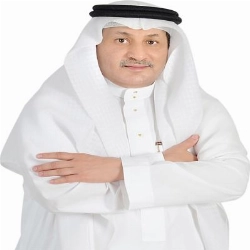
نجيب يماني
المملكة.. آفاق جديدة مع زراعة الأعضاء
18 أغسطس 2025 - 00:09
|
آخر تحديث 18 أغسطس 2025 - 00:21


تابع قناة عكاظ على الواتساب
August 13 of each year marks World Organ Donation Day, which has changed many therapeutic concepts and given hope for a new life and another age.
Coinciding with this global day, and from the perspective of the powerful "Vision" that has made the impossible possible, King Faisal Specialist Hospital and Research Centre announced its success in performing (10) kidney transplant surgeries in a span of two consecutive days, achieving the largest number of exchange transplants conducted within two days at a single center, enhancing the position of "the Specialist" as a global leader in organ transplantation, showcasing the hospital's high clinical readiness and its multidisciplinary medical teams, supported by an advanced technical system for managing compatibility between donors and recipients, along with extensive cumulative experience in performing organ transplants according to precise standards and within a short timeframe.
Kidney exchange transplantation is considered an innovative model that allows for the exchange between pairs of donors and patients, where each person donates their kidney to a patient with whom they have no direct blood relation, while their relative receives a kidney from another donor. This doubles the chances of compatibility and gives hope to patients who face difficulties in finding suitable donors within their families. The specialized hospital has fulfilled the hopes of patients in need with a total of 500 kidney exchange transplant surgeries.
Additionally, it has successfully performed more than (5,000) kidney transplants since 1981, making it one of the limited elite advanced healthcare centers worldwide.
The "Specialist" has also conducted (80) kidney transplants for children, which is the largest number recorded in a single year globally.
Humanity stood in awe in 1954
when the first kidney transplant surgery between identical twins was performed in the United States by surgeon Joseph Murray. This was a breakthrough in the field of medicine and a significant advancement in the specialty of organ transplantation, moving from theoretical medicine to practical application. That qualitative operation proved the possibility of organ transplantation between humans and opened the door for the development of organ transplantation to become an effective solution for chronic diseases.
The journey of kidney transplantation has steadily progressed, reaching a promising stage when immunosuppressive drugs were developed to help prevent the body from rejecting the transplanted organ. Thus, organ transplant surgeries began to be performed between genetically non-matching individuals, paving the way for the transplantation of other organs such as the liver, heart, lungs, pancreas, and others.
Saudi Arabia is credited with being a pioneer in this field and even advanced in it, transforming organ transplantation into a well-established medical practice, supported by integrated systems for donation, transportation, and follow-up, under strict ethical and legal supervision. King Faisal Specialist Hospital has worked on developing this aspect of organ transplantation, guided by the light of "Vision," witnessing a qualitative leap in this field and opening new horizons for organ transplantation, such as three-dimensional bioprinting, stem cell transplantation, and the development of smart artificial organs.
Robots and artificial intelligence have been introduced in complex precision surgeries, and this unique technology has been utilized in transplants, enhancing human expertise and harnessing its remarkable development for the benefit of patients. This has secured its position among the top ten globally, achieving high numbers in heart transplantation, having performed (387) surgeries using the organ preservation device "TransMedics," with (6,537) bone marrow transplant surgeries, alongside (236) lung transplants, as a unique program in the Arab world, and (54) pancreas transplants, as well as (1,608) liver transplants with high success rates over the past year.
Saudi Arabia has also become the third globally in terms of organ donation rates from living donors, and "the Specialist" has an orthopedic bank with a stock of (2,374) bone grafts to provide services to those in need.
Moreover, "the Specialist" recorded a unique global achievement by performing the first complete liver transplant using a robot, without human intervention from start to finish, in addition to performing the first complete heart transplant by robot in the world, representing a qualitative shift in surgical practices for transplantation.
The evidence of "the Specialist's" excellence under "Vision" is too vast to be contained in this space, making it impossible to list all the organ transplant operations that have taken place at the specialized hospital as a natural outcome and a long-awaited fruit of the "Vision" initiative. It is truly a vision of truth created by the genius of an inspiring prince, who led his nation out of the confines of closure and conformity, unleashed its latent energies, painted its bright dawn, and soared with it into expansive horizons. Thus, the achievement was initially a wonder, its middle awareness a source of pride, and the launch of its journey a display of capability, ascending in the ranks with eagerness, passion, and understanding. This is what the captain of "the Specialist," His Excellency Dr. Majid Al-Fayyad, has comprehended, carrying the weight of precious trust on his shoulders, rising with determined and capable resolve, fulfilling his duty, offering his contributions, and proving his presence, thus deserving the honor of being entrusted with the crown of precious confidence, demonstrating a thorough understanding of the goals and objectives of "Vision."
Coinciding with this global day, and from the perspective of the powerful "Vision" that has made the impossible possible, King Faisal Specialist Hospital and Research Centre announced its success in performing (10) kidney transplant surgeries in a span of two consecutive days, achieving the largest number of exchange transplants conducted within two days at a single center, enhancing the position of "the Specialist" as a global leader in organ transplantation, showcasing the hospital's high clinical readiness and its multidisciplinary medical teams, supported by an advanced technical system for managing compatibility between donors and recipients, along with extensive cumulative experience in performing organ transplants according to precise standards and within a short timeframe.
Kidney exchange transplantation is considered an innovative model that allows for the exchange between pairs of donors and patients, where each person donates their kidney to a patient with whom they have no direct blood relation, while their relative receives a kidney from another donor. This doubles the chances of compatibility and gives hope to patients who face difficulties in finding suitable donors within their families. The specialized hospital has fulfilled the hopes of patients in need with a total of 500 kidney exchange transplant surgeries.
Additionally, it has successfully performed more than (5,000) kidney transplants since 1981, making it one of the limited elite advanced healthcare centers worldwide.
The "Specialist" has also conducted (80) kidney transplants for children, which is the largest number recorded in a single year globally.
Humanity stood in awe in 1954
when the first kidney transplant surgery between identical twins was performed in the United States by surgeon Joseph Murray. This was a breakthrough in the field of medicine and a significant advancement in the specialty of organ transplantation, moving from theoretical medicine to practical application. That qualitative operation proved the possibility of organ transplantation between humans and opened the door for the development of organ transplantation to become an effective solution for chronic diseases.
The journey of kidney transplantation has steadily progressed, reaching a promising stage when immunosuppressive drugs were developed to help prevent the body from rejecting the transplanted organ. Thus, organ transplant surgeries began to be performed between genetically non-matching individuals, paving the way for the transplantation of other organs such as the liver, heart, lungs, pancreas, and others.
Saudi Arabia is credited with being a pioneer in this field and even advanced in it, transforming organ transplantation into a well-established medical practice, supported by integrated systems for donation, transportation, and follow-up, under strict ethical and legal supervision. King Faisal Specialist Hospital has worked on developing this aspect of organ transplantation, guided by the light of "Vision," witnessing a qualitative leap in this field and opening new horizons for organ transplantation, such as three-dimensional bioprinting, stem cell transplantation, and the development of smart artificial organs.
Robots and artificial intelligence have been introduced in complex precision surgeries, and this unique technology has been utilized in transplants, enhancing human expertise and harnessing its remarkable development for the benefit of patients. This has secured its position among the top ten globally, achieving high numbers in heart transplantation, having performed (387) surgeries using the organ preservation device "TransMedics," with (6,537) bone marrow transplant surgeries, alongside (236) lung transplants, as a unique program in the Arab world, and (54) pancreas transplants, as well as (1,608) liver transplants with high success rates over the past year.
Saudi Arabia has also become the third globally in terms of organ donation rates from living donors, and "the Specialist" has an orthopedic bank with a stock of (2,374) bone grafts to provide services to those in need.
Moreover, "the Specialist" recorded a unique global achievement by performing the first complete liver transplant using a robot, without human intervention from start to finish, in addition to performing the first complete heart transplant by robot in the world, representing a qualitative shift in surgical practices for transplantation.
The evidence of "the Specialist's" excellence under "Vision" is too vast to be contained in this space, making it impossible to list all the organ transplant operations that have taken place at the specialized hospital as a natural outcome and a long-awaited fruit of the "Vision" initiative. It is truly a vision of truth created by the genius of an inspiring prince, who led his nation out of the confines of closure and conformity, unleashed its latent energies, painted its bright dawn, and soared with it into expansive horizons. Thus, the achievement was initially a wonder, its middle awareness a source of pride, and the launch of its journey a display of capability, ascending in the ranks with eagerness, passion, and understanding. This is what the captain of "the Specialist," His Excellency Dr. Majid Al-Fayyad, has comprehended, carrying the weight of precious trust on his shoulders, rising with determined and capable resolve, fulfilling his duty, offering his contributions, and proving his presence, thus deserving the honor of being entrusted with the crown of precious confidence, demonstrating a thorough understanding of the goals and objectives of "Vision."