لكل علاقة إنسانية مع الشخصيات أدبيات. منها طريقة السلام والتحيّة، ومن الأدبيات ما هو عُرف اجتماعي (كلاسيكي)، ومنها ما هو بروتوكولات تفرضها دبلوماسية التعامل مع الداخل والخارج في الاستقبال والسلام والجلوس والزيّ وغيره؛ ومن الأشخاص من له حقّ تقبيل رأسه تقديراً، وهناك من تُقبّل كفه بِرّاً ومكافأةً وإحساناً، وهناك من يشمخ برأسه تفادياً للسُّلمة، وهناك من يدنّي برأسه ليتلقاها وسط الجبهة، وبرغم أن بعض موظفي المراسم، يؤكدون على مسامع الزائرين الذين يلتقون بمسؤولين بأن (السلام مصافحة) إلا أن الزائر أو المراجع لا يتورّع عن تقبيل الوجه أو الكتف، تعبيراً عن مكنون التبجيل، ومخزون المحبّة.
وللأمير خالد الفيصل شخصية فذّة ونموذجية، وله فضل في كثير من إنجازات تنموية وفكرية وثقافية؛ منها التنبيه على خطر الفكر الظلامي؛ وكان من أوائل المُتصدّين له؛ إضافةً إلى أنه رجل تنمية بامتياز؛ وعندما نسّقتُ منذ عقدين مع المسؤولين في مكتبه لإجراء حوار معه لصحيفة الحياة؛ إبان إمارته في منطقة عسير، تمّت موافقة (أبو بندر)، إلا أن مكتب العلاقات العامة في الإمارة لم يُبلغني، وأنا أستعد لالتقاط الصور مع الأمير خالد، إنه لا يُحبّذ التقبيل في كتفه ولا خدّه، وربما كان هذا نابعاً من تواضعه، ومعرفته قدر نفسه لا عُلوّاً ولا تأفّفاً.
دخلتُ مكتبه بمفردي، وقام الأمير ليصافحني، وأنا جريّاً على المتعارف عليه، طبعتُ سُلْمةً على كتفه، فقال فوراً؛ نسمح لك هذه المرّة كونك أوّل زيارة تزورنا! فتغيّر لوني، واحتقن الدم في وجهي، وشعرت بحرج، وبالكاد استعدتُ رباطة جأشي، وبذكاء فطري، بدأ يسألني أسئلة خاصةً وعامةً، ومع كل إجابة، يتبسّم بوجهه الوضيء، وكأنه يمتص ردة فعلي المُحرجة، وينقلني من الحالة التي مررت بها، إلى حالة نفسية أفضل.
انتهى الوقت المخصص للتصوير، وهممتُ بالمغادرة، فقال؛ يا علي لا تروح عندنا اجتماع مع رئيس هيئة السياحة الأمير سلطان بن سلمان، ودخلتُ معهم قاعة الاجتماعات، وجلستُ في كرسي بعيد نوعاً ما عن المشاركين، فطلب مني الانتقال والجلوس على يمين الأمير سلطان بن سلمان، وكان يتحاور مع الجميع، ويُشركني في الحوار، ولعله كان يخصني بالنظر أكثر من غيري.
وعندما انقضى الاجتماع، قال إن شاء الله تحضر بعد المغرب جلستنا الأسبوعية، وأوصى أحد الحاضرين أن يمرني في الفندق ونذهب لقصره سويّاً، وخرجتُ لحظتها وفي ذهني الكثير من الأسئلة والأفكار حول هذه الشخصية الوطنية المتميّزة إدارياً وأدبيّاً وفنيّاً، وكم تحدثتُ مع أصدقاء عن مطالع قصائد (دايم السيف) التي تتضمّن غالباً بيت القصيد.
وبالفعل حضرنا بعد العِشاء، واستقبلنا الأمير، وجلسنا على مائدة العشاء، وكنتُ صدفةً في ركن الطاولة المحاذية لطاولة الأمير وضيوفه، وكان حديث الضيوف العرب والسعوديين عن استحقاقات المرأة، وبعض الإصلاحات المطروحة حينها للنقاش المجتمعي؛ ولعلّ الأمير لاحظ انشغالي بحديثه مع الضيوف أكثر من اهتمامي بالأكل، وبعدما وقف الأمير في الصالة لتوديع الجميع، ودارت القهوة، وأنا أصافح الأمير؛ شدّ يدي؛ وقال؛ اللي سمعته على العشاء ليس للنشر.
وفي صبيحة اليوم التالي؛ لمحني الأمير خالد وهو يغادر قاعة الاحتفال بالفائزين بجائزة أبها ذلك العام، أنا وآخرين في الصف الثالث من جهة الممر الذي يسلك، فصبّح علينا رافعاً يده بالتحيّة، فقلتُ له؛ طال عمرك الحوار منشور في صحيفة الحياة عدد اليوم، فقال وهو يتبسّم، الآن أعود للمكتب وأشوفه.
هذا الاسترجاع لذكريات مضى عليها أكثر من عشرين عاماً، تزامن مع إصدار البريد السعودي بالتعاون مع إمارة مكة المكرمة طابعًا تذكارياً لمستشار خادم الحرمين الشريفين أمير منطقة مكة المكرمة الأمير خالد بن فيصل بن عبدالعزيز، تقديرًا لإسهاماته في تعزيز التنمية الثقافية والاجتماعية، ليكون جزءاً من سلسلة الطوابع التذكارية، وقالت لي نفسي، أو قلتُ لها، إنّ من الوفاء الكتابة عن جانب من جوانب شخصية لها أثر في نفوس الأصفياء والأنقياء، وبصمة في كتاب العطاء، وشجن في وجدان المغرمين بمسامرة الأخلّاء، والقيادة السعودية، تحفظ حق ومكانة كل من عمل لهذا الوطن بحُبّ وإخلاص وإجادة، وذلك ديدن الأمير خالد الفيصل.
ما أكتبه هنا، ليس حديثاً نرجسيّاً عن ذاتي، بل شهادة إنصاف بحقّ أمير مسؤول جدير بمهام عمله، ومُثقّف عالي الهمّة ينتقل من منجز إلى آخر، وصاحب فراسة لا تخيل، ومهذّباً روحاً ووعياً؛ لا يقبل أن يتأذى منه أحد، ولو بحركة أو عبارة غير مقصودة، وخدم وطنه وقيادته طيلة ستين عاماً ولم يزل، فشكراً لمن كتب لهذا الكيان أعذب الكلام، وأقام للفكر العربي أعرق مؤسسة، وأطلق من عسير أحدث صحيفة، وخص أبها بأثمن جائزة، ويظلّ سجلّه خالداً لأنه خالد.
تلويحة؛ مدرسة آل سعود من أرقى مدارس الحُكم في العالم، فالإنسانية لديها أوّلاً ودائماً، وهذا سر ارتباطنا العاطفي والموضوعي بحُكّامنا وولاة أمرنا.
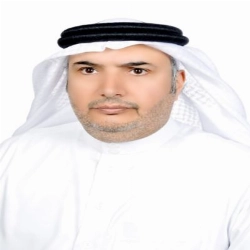
علي بن محمد الرباعي
خالد الفيصل وسُلْمَتي في كتفه
15 أغسطس 2025 - 00:08
|
آخر تحديث 15 أغسطس 2025 - 00:08


تابع قناة عكاظ على الواتساب
Every human relationship has its own etiquette. This includes ways of greeting and saluting, as well as social customs (classical) and protocols imposed by the diplomacy of dealing with both domestic and foreign interactions in reception, greetings, seating, attire, and more. Some individuals have the right to have their heads kissed in appreciation, while others have their hands kissed as a sign of respect and kindness. There are those who hold their heads high to avoid a greeting, and others who lower their heads to receive it on their forehead. Despite some protocol officers insisting to visitors meeting officials that "greeting is a handshake," the visitor or reference does not hesitate to kiss the face or shoulder, expressing deep respect and a wealth of love.
Prince Khalid Al-Faisal has a unique and exemplary personality, and he has contributed significantly to many developmental, intellectual, and cultural achievements; among them is his warning about the dangers of extremist thought, as he was one of the first to confront it. Additionally, he is a man of development par excellence. When I coordinated with the officials in his office two decades ago to conduct an interview with him for Al-Hayat newspaper during his governorship in the Asir region, "Abu Bandar" approved, but the public relations office did not inform me, as I was preparing to take pictures with Prince Khalid, that he does not prefer to be kissed on the shoulder or cheek. This may have stemmed from his humility and his understanding of his worth, neither elevating nor disdainful.
I entered his office alone, and the prince stood up to shake my hand. Following the customary practice, I placed a kiss on his shoulder, and he immediately said, "We allow you this time since this is your first visit to us!" My face turned red, and I felt embarrassed, barely regaining my composure. With innate intelligence, he began to ask me both personal and general questions, and with each answer, he smiled with his radiant face, as if absorbing my awkward reaction and transitioning me from the state I was in to a better psychological state.
The time allocated for photography ended, and I was about to leave when he said, "O Ali, don’t go; we have a meeting with the Chairman of the Tourism Authority, Prince Sultan bin Salman." I entered the meeting room with them and sat in a chair somewhat distant from the participants. He asked me to move and sit to the right of Prince Sultan bin Salman, who was engaging in conversation with everyone and included me in the dialogue, perhaps giving me more attention than others.
When the meeting concluded, he said, "God willing, you will attend our weekly session after Maghrib," and he instructed one of the attendees to take me to the hotel so we could go to his palace together. I left at that moment with many questions and thoughts about this distinguished national figure administratively, culturally, and artistically. I talked with friends about the opening lines of the poems of "Dayim Al-Saif," which often contain the essence of the poem.
Indeed, we attended after dinner, and the prince welcomed us. We sat at the dinner table, and by chance, I was in a corner of the table adjacent to the prince's table with his guests. The conversation among the Arab and Saudi guests revolved around women's rights and some proposed reforms at that time for societal discussion. Perhaps the prince noticed my preoccupation with his conversation with the guests more than my interest in eating, and after he stood in the hall to bid farewell to everyone, as the coffee was being served, while I was shaking hands with the prince, he held my hand and said, "What you heard at dinner is not for publication."
The next morning, Prince Khalid spotted me as he was leaving the hall celebrating the winners of the Abha Prize that year, along with others in the third row from the corridor he was walking through. He greeted us, raising his hand in salutation, and I said to him, "Your Highness, the interview is published in today’s Al-Hayat newspaper." He smiled and replied, "Now I will return to the office and see it."
This recollection of memories from over twenty years ago coincided with the Saudi Post, in collaboration with the Emirate of Makkah, issuing a commemorative stamp for the Advisor to the Custodian of the Two Holy Mosques, Prince Khalid bin Faisal bin Abdulaziz, in appreciation of his contributions to enhancing cultural and social development, making it part of a series of commemorative stamps. I told myself, or perhaps I said to it, that it is a matter of loyalty to write about an aspect of a personality that has an impact on the souls of the pure and the innocent, a mark in the book of giving, and a sentiment in the hearts of those who cherish the company of friends. The Saudi leadership preserves the rights and status of everyone who has worked for this nation with love, sincerity, and excellence, and that is the essence of Prince Khalid Al-Faisal.
What I write here is not a narcissistic discourse about myself, but a fair testimony regarding a responsible prince worthy of his duties, a highly cultured individual who moves from one achievement to another, a person of keen insight, and a gentleman in spirit and awareness; he does not accept that anyone is harmed by him, even by an unintended gesture or phrase. He has served his country and leadership for sixty years and continues to do so. So, thank you to the one who has written the sweetest words for this entity, established the most prestigious institution for Arab thought, launched the latest newspaper from Asir, and dedicated the most valuable prize to Abha. His record remains eternal because he is Khalid.
A note: The Al Saud family is one of the most distinguished ruling families in the world, as humanity comes first and always for them. This is the secret of our emotional and objective connection with our rulers and leaders.
Prince Khalid Al-Faisal has a unique and exemplary personality, and he has contributed significantly to many developmental, intellectual, and cultural achievements; among them is his warning about the dangers of extremist thought, as he was one of the first to confront it. Additionally, he is a man of development par excellence. When I coordinated with the officials in his office two decades ago to conduct an interview with him for Al-Hayat newspaper during his governorship in the Asir region, "Abu Bandar" approved, but the public relations office did not inform me, as I was preparing to take pictures with Prince Khalid, that he does not prefer to be kissed on the shoulder or cheek. This may have stemmed from his humility and his understanding of his worth, neither elevating nor disdainful.
I entered his office alone, and the prince stood up to shake my hand. Following the customary practice, I placed a kiss on his shoulder, and he immediately said, "We allow you this time since this is your first visit to us!" My face turned red, and I felt embarrassed, barely regaining my composure. With innate intelligence, he began to ask me both personal and general questions, and with each answer, he smiled with his radiant face, as if absorbing my awkward reaction and transitioning me from the state I was in to a better psychological state.
The time allocated for photography ended, and I was about to leave when he said, "O Ali, don’t go; we have a meeting with the Chairman of the Tourism Authority, Prince Sultan bin Salman." I entered the meeting room with them and sat in a chair somewhat distant from the participants. He asked me to move and sit to the right of Prince Sultan bin Salman, who was engaging in conversation with everyone and included me in the dialogue, perhaps giving me more attention than others.
When the meeting concluded, he said, "God willing, you will attend our weekly session after Maghrib," and he instructed one of the attendees to take me to the hotel so we could go to his palace together. I left at that moment with many questions and thoughts about this distinguished national figure administratively, culturally, and artistically. I talked with friends about the opening lines of the poems of "Dayim Al-Saif," which often contain the essence of the poem.
Indeed, we attended after dinner, and the prince welcomed us. We sat at the dinner table, and by chance, I was in a corner of the table adjacent to the prince's table with his guests. The conversation among the Arab and Saudi guests revolved around women's rights and some proposed reforms at that time for societal discussion. Perhaps the prince noticed my preoccupation with his conversation with the guests more than my interest in eating, and after he stood in the hall to bid farewell to everyone, as the coffee was being served, while I was shaking hands with the prince, he held my hand and said, "What you heard at dinner is not for publication."
The next morning, Prince Khalid spotted me as he was leaving the hall celebrating the winners of the Abha Prize that year, along with others in the third row from the corridor he was walking through. He greeted us, raising his hand in salutation, and I said to him, "Your Highness, the interview is published in today’s Al-Hayat newspaper." He smiled and replied, "Now I will return to the office and see it."
This recollection of memories from over twenty years ago coincided with the Saudi Post, in collaboration with the Emirate of Makkah, issuing a commemorative stamp for the Advisor to the Custodian of the Two Holy Mosques, Prince Khalid bin Faisal bin Abdulaziz, in appreciation of his contributions to enhancing cultural and social development, making it part of a series of commemorative stamps. I told myself, or perhaps I said to it, that it is a matter of loyalty to write about an aspect of a personality that has an impact on the souls of the pure and the innocent, a mark in the book of giving, and a sentiment in the hearts of those who cherish the company of friends. The Saudi leadership preserves the rights and status of everyone who has worked for this nation with love, sincerity, and excellence, and that is the essence of Prince Khalid Al-Faisal.
What I write here is not a narcissistic discourse about myself, but a fair testimony regarding a responsible prince worthy of his duties, a highly cultured individual who moves from one achievement to another, a person of keen insight, and a gentleman in spirit and awareness; he does not accept that anyone is harmed by him, even by an unintended gesture or phrase. He has served his country and leadership for sixty years and continues to do so. So, thank you to the one who has written the sweetest words for this entity, established the most prestigious institution for Arab thought, launched the latest newspaper from Asir, and dedicated the most valuable prize to Abha. His record remains eternal because he is Khalid.
A note: The Al Saud family is one of the most distinguished ruling families in the world, as humanity comes first and always for them. This is the secret of our emotional and objective connection with our rulers and leaders.