في خضم التحولات الاقتصادية الكبرى التي تشهدها المملكة العربية السعودية، تتجلى مهنة التقييم كأحد الأعمدة الفنية الأساسية لضمان الشفافية والنمو المستدام في الأسواق. ولم تعد هذه المهنة مجرد أداة لتحديد القيم، بل أصبحت ركيزة إستراتيجية في تعزيز الثقة، ودعم قرارات الاستثمار، ورفع كفاءة إدارة الأصول في مختلف القطاعات.
تُعد المملكة اليوم قوة اقتصادية محورية في الشرق الأوسط، وصاحبة ثقل عالمي لا يمكن تجاهله. فمع التحولات الجذرية في الحوكمة والتشريعات، تتقدم السعودية بخطى واثقة نحو مصاف الدول المتقدمة، متسلحة برؤية 2030 التي وضعت نصب عينيها تحويل المملكة إلى مركز عالمي في مختلف المجالات، بما في ذلك مهنة التقييم.
رؤية 2030 ليست مجرد خطة تنموية، بل هي مشروع وطني يُعيد رسم ملامح الاقتصاد والمجتمع، ويصنع من المملكة نموذجاً عالمياً يُحتذى به. ومن هذا المنطلق، فإن مهنة التقييم تقف أمام مسؤولية كبرى، تقتضي أن تتماهى مع هذه الطموحات، وتنهض بدورها كأداة تمكينية للتنمية المستدامة.
منذ تأسيس الهيئة السعودية للمقيمين المعتمدين تحت مظلة وزارة التجارة وانتقالها تحت مظلة وزارة المالية، شهدت مهنة التقييم في المملكة قفزات نوعية ملحوظة، سواء في جودة المخرجات أو كفاءة الكوادر الوطنية المؤهلة. وقد أسهمت الهيئة في ترسيخ منهجية علمية قائمة على النزاهة والاستقلالية، مدعومة ببرامج تدريبية متقدمة ومعايير مهنية عالية المستوى.
هذا التطور لم يكن وليد الصدفة، بل نتيجة مباشرة لتبني المملكة نهجاً مؤسسياً شاملاً، جعل من التقييم أداة إستراتيجية تُسهم في رفع كفاءة الأسواق العقارية والمالية، وتحقيق العدالة في النزاعات، وضمان دقة التقارير المالية.
في ظل هذا الزخم، بات من الضروري إنشاء مجلس وطني مختص يُعنى بتطوير معايير تقييم سعودية متكاملة، تنطلق من الخصوصية الاقتصادية المحلية، لكنها لا تنفصل عن المعايير الدولية. معايير تمتاز بجودة عالمية، وتتبنى أحدث ما وصلت إليه التكنولوجيا، خاصة في مجالات الذكاء الاصطناعي والتحليل التنبؤي، لرفع كفاءة القرارات وتعزيز الموثوقية.
إن وجود مجلس مستقل يُشرّع ويحدث هذه المعايير سيكون بمثابة المرجع الوطني والإقليمي، ويجعل من السعودية مصدراً للمعرفة لا مجرد مستهلك لها، ومقصداً للمؤسسات والجهات الراغبة في تبني أفضل الممارسات في مهنة التقييم.
مع تسارع التطور التكنولوجي، باتت أدوات الذكاء الاصطناعي حاضرة بقوة في مشهد التقييم العالمي. وفي السعودية، أصبح من المهم دمج هذه التقنيات ضمن منظومة العمل المهني، لتقديم تقارير دقيقة، موثوقة، وسريعة الاستجابة. الذكاء الاصطناعي لا يهدد دور المقيم البشري، بل يعززه، ويوفر له أدوات تحليلية فائقة الدقة، تمكّنه من تقديم قيمة مضافة حقيقية.
مهنة التقييم في السعودية تقف اليوم على أعتاب مرحلة جديدة، تتطلب استثمارات فكرية وتنظيمية ترقى إلى مستوى الطموح الوطني. والمملكة، بثقلها الإقليمي والدولي، ومكانتها المتقدمة في منظومة الاقتصاد العالمي، مؤهلة لأن تقود هذه المرحلة، وأن تُصدر للعالم معايير تقييم بروح سعودية، ونكهة عالمية.
إنها فرصة تاريخية لصناعة مستقبل مهني يليق بمكانة وطن عظيم.
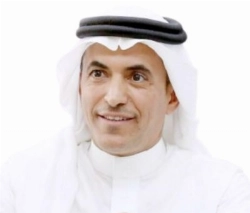
حجاب بخيت الذيابي
التقييم السعودي.. بين المعايير العالمية والطموح
8 أغسطس 2025 - 11:37
|
آخر تحديث 26 أغسطس 2025 - 16:02


تابع قناة عكاظ على الواتساب
In the midst of the major economic transformations taking place in the Kingdom of Saudi Arabia, the profession of valuation emerges as one of the essential technical pillars to ensure transparency and sustainable growth in the markets. This profession has evolved from merely being a tool for determining values to becoming a strategic cornerstone in enhancing trust, supporting investment decisions, and improving asset management efficiency across various sectors.
Today, the Kingdom is a pivotal economic force in the Middle East, with a global weight that cannot be ignored. With radical changes in governance and legislation, Saudi Arabia is confidently advancing towards the ranks of developed countries, armed with Vision 2030, which aims to transform the Kingdom into a global hub in various fields, including the profession of valuation.
Vision 2030 is not just a developmental plan; it is a national project that redraws the features of the economy and society, creating a global model that others can emulate. From this perspective, the profession of valuation faces a significant responsibility, necessitating alignment with these ambitions and fulfilling its role as an enabling tool for sustainable development.
Since the establishment of the Saudi Authority for Accredited Valuers under the Ministry of Commerce and its transition to the Ministry of Finance, the valuation profession in the Kingdom has witnessed remarkable qualitative leaps, both in the quality of outputs and the efficiency of qualified national personnel. The authority has contributed to establishing a scientific methodology based on integrity and independence, supported by advanced training programs and high-level professional standards.
This development was not coincidental but a direct result of the Kingdom adopting a comprehensive institutional approach that has made valuation a strategic tool contributing to enhancing the efficiency of real estate and financial markets, achieving justice in disputes, and ensuring the accuracy of financial reports.
In light of this momentum, it has become essential to establish a national council dedicated to developing comprehensive Saudi valuation standards that stem from local economic specificity but do not disconnect from international standards. Standards characterized by global quality, embracing the latest advancements in technology, especially in the fields of artificial intelligence and predictive analytics, to enhance decision-making efficiency and boost reliability.
The existence of an independent council that legislates and updates these standards will serve as a national and regional reference, making Saudi Arabia a source of knowledge rather than just a consumer of it, and a destination for institutions and entities wishing to adopt best practices in the valuation profession.
With the rapid advancement of technology, artificial intelligence tools have become significantly present in the global valuation landscape. In Saudi Arabia, it has become important to integrate these technologies into the professional work system to provide accurate, reliable, and responsive reports. Artificial intelligence does not threaten the role of human valuers; rather, it enhances it and provides them with highly precise analytical tools, enabling them to deliver real added value.
The valuation profession in Saudi Arabia stands today on the threshold of a new phase that requires intellectual and organizational investments that rise to the level of national ambition. The Kingdom, with its regional and international weight and its advanced position in the global economy system, is well-positioned to lead this phase and to issue to the world valuation standards with a Saudi spirit and a global flavor.
This is a historic opportunity to shape a professional future befitting the status of a great nation.
Today, the Kingdom is a pivotal economic force in the Middle East, with a global weight that cannot be ignored. With radical changes in governance and legislation, Saudi Arabia is confidently advancing towards the ranks of developed countries, armed with Vision 2030, which aims to transform the Kingdom into a global hub in various fields, including the profession of valuation.
Vision 2030 is not just a developmental plan; it is a national project that redraws the features of the economy and society, creating a global model that others can emulate. From this perspective, the profession of valuation faces a significant responsibility, necessitating alignment with these ambitions and fulfilling its role as an enabling tool for sustainable development.
Since the establishment of the Saudi Authority for Accredited Valuers under the Ministry of Commerce and its transition to the Ministry of Finance, the valuation profession in the Kingdom has witnessed remarkable qualitative leaps, both in the quality of outputs and the efficiency of qualified national personnel. The authority has contributed to establishing a scientific methodology based on integrity and independence, supported by advanced training programs and high-level professional standards.
This development was not coincidental but a direct result of the Kingdom adopting a comprehensive institutional approach that has made valuation a strategic tool contributing to enhancing the efficiency of real estate and financial markets, achieving justice in disputes, and ensuring the accuracy of financial reports.
In light of this momentum, it has become essential to establish a national council dedicated to developing comprehensive Saudi valuation standards that stem from local economic specificity but do not disconnect from international standards. Standards characterized by global quality, embracing the latest advancements in technology, especially in the fields of artificial intelligence and predictive analytics, to enhance decision-making efficiency and boost reliability.
The existence of an independent council that legislates and updates these standards will serve as a national and regional reference, making Saudi Arabia a source of knowledge rather than just a consumer of it, and a destination for institutions and entities wishing to adopt best practices in the valuation profession.
With the rapid advancement of technology, artificial intelligence tools have become significantly present in the global valuation landscape. In Saudi Arabia, it has become important to integrate these technologies into the professional work system to provide accurate, reliable, and responsive reports. Artificial intelligence does not threaten the role of human valuers; rather, it enhances it and provides them with highly precise analytical tools, enabling them to deliver real added value.
The valuation profession in Saudi Arabia stands today on the threshold of a new phase that requires intellectual and organizational investments that rise to the level of national ambition. The Kingdom, with its regional and international weight and its advanced position in the global economy system, is well-positioned to lead this phase and to issue to the world valuation standards with a Saudi spirit and a global flavor.
This is a historic opportunity to shape a professional future befitting the status of a great nation.