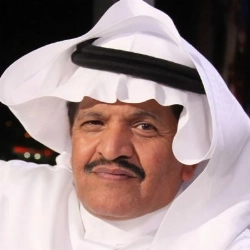
في تحية لسيد البيد نشر سمو وزير الثقافة -قبل سنوات قليلة- منشوراً جميلاً على صفحته في منصة إنستغرام، تحت عنوان (تحية لسيد البيد الشاعر السعودي محمد الثبيتي) مرفقاً بها مقطعاً بصوت الشاعر من قصيدة سيد البيد.
لم يكن المنشور إلا تأكيداً على احتفاء الوزير ووزارته بالثقافة والمثقفين وفهمه لمكانة من هم بوزن الشاعر الكبير محمد الثبيتي، في تراثنا وثقافتنا العربية السعودية.
لقد قال عنه الأديب والناقد السعودي سعيد السريحي: «لقد انتظرنا 1000 عام حتى جاء الشاعر محمد الثبيتي، وسننتظر 1000 عام أخرى لكي يظهر لدينا مثله».
الثبيتي ليس صنيعة «الأيديولوجيا» ولا صنيعة الثقافات المستوردة، بل هو ابن ملامح شعر امرئ القيس، وزهير بن أبي سلمى، وطرفة بن العبد، وعمرو بن كلثوم، وجرير، وعمرو بن أبي ربيعة، والمتنبي وكل أجداده من شعراء الجزيرة العربية موطن هوازن وثقيف ووائل وأزد، وهذيل وبجيلة، وقريش، وكل قبائل العرب الأقحاح الذين صنعوا لغتهم العربية وثقافتها وشعرها على أعينهم.
الثبيتي الذي نتمنى من سمو وزير الثقافة تكريمه في حفل ضخم يليق بأهم شعراء الجزيرة منذ ظهور الحداء على ظهور القوافل، مروراً بنبوغ الشعر بين يدي النابغة والأعشى وحتى اليوم، لم يكن مجرد شاعر مغرق في الرمزية، بل لأنه بالفعل نابغة هذا الزمان وشاعره.
مشكلة الثبيتي أنه وقع في (فخٍ عظيم)، دون قصد منه، بل بسبب الزمان الذي ظهر فيه، فالمتنمرون من مثقفي الأمصار المستعربين، استكثروه علينا، ولم يكونوا قادرين على استيعاب أن يكون شاعرنا الثبيتي بهذه العبقرية الشعرية وأن يكون سعودياً في الوقت نفسه، بدويٌ قادم من فيافي وبوادي الجزيرة العربية، في تهامة الحجاز وحواضر نجد، ونسوا عن عمد أنه ابن السلالة الشعرية أباً عن جد لا هم.
والمأزق الثاني الذي أضر كثيراً بمتنبي عصرنا هو بغض الصحويين وفلولهم له، لأنه خرج عليهم وهم يتسيدون المشهد المجتمعي، فخشوا أن يهدم معبدهم الثقافي الذي يبنونه، والسردية الأممية التي يروجون لها، فبعض المحسوبين عليهم كانوا يبنون تراثاً ثقافياً وشعرياً مهتماً بقضايا عابرة مثل أفغانستان وكشمير وتورا بورا، فمن الصعوبة عليهم أن يروا سيد البيد الثبيتي يتسيد مشهد الشعر في مملكة العروبة وحاضنة تراثها العظيم.
وما زلت أذكر تلك الليالي الموغلة في الاستئصال، التي يهاجمون فيها صالات الأمسيات الشعرية، يخطفون المايكرفونات من بين أيدي الشعراء والنقاد، ويخرجون من فيها إلى الشارع، وما زلت أتذكر كيف أن تحالفاً قام بينهم وبين مشرفين على صفحات ثقافية في بعض الصحف كانت هي الحاضن الكبير للكراهية وصناعة الكوابيس عن الثبيتي ورفقائه.
ما أخشاه اليوم أن هناك من تلقف ترسبات الصحوة وقناعاتها عن الثبيتي، ويضادون أي مشروع لا يعرفونه أو لم يخرج من تحت عباءتهم، خاصة إذا كانوا يمتلكون منصات مؤثرة في العالم العربي، فالترويج لثقافتنا الناعمة ورموزها أهم من تصوراتنا الضيقة.
محمد الثبيتي مشروع وطني، وقامة سعودية كبرى، لن تختصرها دردشات وترسبات تتفلت بقصد أو بدون قصد، فالثبيتي استخدم الرمزية بوعي شعري عميق، مستنداً إلى المكان والزمان الأسطوري، واللغة القرآنية، ومن منا لا يستخدم لغة القرآن في ليله ونهاره، وهي تكاد تُشكلنا، وتهيمن علينا لقوّتها وروعتها.
الثبيتي لو كان قد نشأ بجوار الرصافة أو زيزفون دمشق أو جميزة بيروت لوضعه نقاد وشعراء الأمصار المستعربون على قائمة أعظم شعراء العربية، ولو قال قصيدة في كشمير لكان سيد الشعر عند صناع الكوابيس.
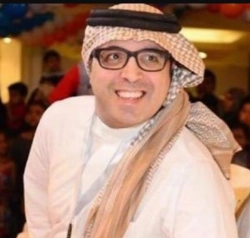
محمد الساعد
يا «سيد البيد» تمهل.. فهناك من ما زال يحبك !
31 يوليو 2025 - 00:03
|
آخر تحديث 31 يوليو 2025 - 10:43


تابع قناة عكاظ على الواتساب
In a tribute to the poet Al-Baid, His Highness the Minister of Culture published a beautiful post on his Instagram page a few years ago, titled (A Tribute to Al-Baid, the Saudi Poet Muhammad Al-Thubaiti), accompanied by an audio clip of the poet reciting a part of the poem "Al-Baid."
The post was nothing but a confirmation of the minister and his ministry's celebration of culture and intellectuals, and his understanding of the stature of someone of the caliber of the great poet Muhammad Al-Thubaiti in our heritage and Saudi Arabian culture.
The Saudi writer and critic Said Al-Suhaili said about him: "We waited 1,000 years for the poet Muhammad Al-Thubaiti to arrive, and we will wait another 1,000 years for someone like him to emerge."
Al-Thubaiti is not a product of "ideology" or imported cultures; rather, he is the son of the features of the poetry of Imru' al-Qais, Zuhair bin Abi Sulma, Tarfa bin al-Abd, Amr bin Kulthum, Jarir, Amr bin Abi Rabi'a, Al-Mutanabbi, and all his ancestors from the poets of the Arabian Peninsula, the homeland of Hawazin, Thaqif, Wa'il, Azd, Hudhayl, Bajilah, Quraysh, and all the pure Arab tribes that shaped their Arabic language, culture, and poetry before their eyes.
We hope that His Highness the Minister of Culture will honor Al-Thubaiti in a grand ceremony befitting one of the most important poets of the peninsula since the emergence of the poetic chant on the backs of caravans, through the brilliance of poetry in the hands of Al-Nabigha and Al-A'sha, up to today. He was not just a poet steeped in symbolism; he is indeed the genius of this era and its poet.
The problem with Al-Thubaiti is that he fell into a "great trap" unintentionally, due to the time in which he emerged. The bullies among the intellectuals of the Arabized regions found him excessive, and they could not comprehend that our poet Al-Thubaiti could possess such poetic genius and be Saudi at the same time, a Bedouin coming from the deserts and valleys of the Arabian Peninsula, in the Tihama of Hijaz and the urban centers of Najd. They deliberately forgot that he is a descendant of a poetic lineage, father and grandfather, unlike them.
The second predicament that greatly harmed the Al-Mutanabbi of our time is the animosity of the revivalists and their remnants towards him, as he emerged while they were dominating the societal scene. They feared that he would dismantle the cultural temple they were building and the global narrative they were promoting. Some who were counted among them were building a cultural and poetic heritage concerned with transient issues like Afghanistan, Kashmir, and Tora Bora. It was difficult for them to see Al-Baid Al-Thubaiti dominating the poetry scene in the kingdom of Arabism and the cradle of its great heritage.
I still remember those nights deeply rooted in eradication, during which they attacked poetry evening halls, snatching microphones from the hands of poets and critics and throwing them into the street. I also remember how an alliance formed between them and supervisors of cultural pages in some newspapers, which became the major incubator of hatred and the creation of nightmares about Al-Thubaiti and his companions.
What I fear today is that there are those who have absorbed the remnants of the revival and its convictions about Al-Thubaiti, opposing any project they do not recognize or that has not emerged from under their cloak, especially if they possess influential platforms in the Arab world. Promoting our soft culture and its symbols is more important than our narrow perceptions.
Muhammad Al-Thubaiti is a national project and a towering Saudi figure that cannot be summarized by conversations and remnants that slip away intentionally or unintentionally. Al-Thubaiti used symbolism with a deep poetic awareness, relying on the mythical place and time, and the Quranic language. Who among us does not use the language of the Quran in their nights and days, as it almost shapes us and dominates us with its strength and beauty?
If Al-Thubaiti had grown up next to Al-Rusafa or Zizafoun in Damascus or Jmiza in Beirut, critics and poets from the Arabized regions would have placed him on the list of the greatest poets of Arabic literature. If he had recited a poem about Kashmir, he would have been the master of poetry among the creators of nightmares.
The post was nothing but a confirmation of the minister and his ministry's celebration of culture and intellectuals, and his understanding of the stature of someone of the caliber of the great poet Muhammad Al-Thubaiti in our heritage and Saudi Arabian culture.
The Saudi writer and critic Said Al-Suhaili said about him: "We waited 1,000 years for the poet Muhammad Al-Thubaiti to arrive, and we will wait another 1,000 years for someone like him to emerge."
Al-Thubaiti is not a product of "ideology" or imported cultures; rather, he is the son of the features of the poetry of Imru' al-Qais, Zuhair bin Abi Sulma, Tarfa bin al-Abd, Amr bin Kulthum, Jarir, Amr bin Abi Rabi'a, Al-Mutanabbi, and all his ancestors from the poets of the Arabian Peninsula, the homeland of Hawazin, Thaqif, Wa'il, Azd, Hudhayl, Bajilah, Quraysh, and all the pure Arab tribes that shaped their Arabic language, culture, and poetry before their eyes.
We hope that His Highness the Minister of Culture will honor Al-Thubaiti in a grand ceremony befitting one of the most important poets of the peninsula since the emergence of the poetic chant on the backs of caravans, through the brilliance of poetry in the hands of Al-Nabigha and Al-A'sha, up to today. He was not just a poet steeped in symbolism; he is indeed the genius of this era and its poet.
The problem with Al-Thubaiti is that he fell into a "great trap" unintentionally, due to the time in which he emerged. The bullies among the intellectuals of the Arabized regions found him excessive, and they could not comprehend that our poet Al-Thubaiti could possess such poetic genius and be Saudi at the same time, a Bedouin coming from the deserts and valleys of the Arabian Peninsula, in the Tihama of Hijaz and the urban centers of Najd. They deliberately forgot that he is a descendant of a poetic lineage, father and grandfather, unlike them.
The second predicament that greatly harmed the Al-Mutanabbi of our time is the animosity of the revivalists and their remnants towards him, as he emerged while they were dominating the societal scene. They feared that he would dismantle the cultural temple they were building and the global narrative they were promoting. Some who were counted among them were building a cultural and poetic heritage concerned with transient issues like Afghanistan, Kashmir, and Tora Bora. It was difficult for them to see Al-Baid Al-Thubaiti dominating the poetry scene in the kingdom of Arabism and the cradle of its great heritage.
I still remember those nights deeply rooted in eradication, during which they attacked poetry evening halls, snatching microphones from the hands of poets and critics and throwing them into the street. I also remember how an alliance formed between them and supervisors of cultural pages in some newspapers, which became the major incubator of hatred and the creation of nightmares about Al-Thubaiti and his companions.
What I fear today is that there are those who have absorbed the remnants of the revival and its convictions about Al-Thubaiti, opposing any project they do not recognize or that has not emerged from under their cloak, especially if they possess influential platforms in the Arab world. Promoting our soft culture and its symbols is more important than our narrow perceptions.
Muhammad Al-Thubaiti is a national project and a towering Saudi figure that cannot be summarized by conversations and remnants that slip away intentionally or unintentionally. Al-Thubaiti used symbolism with a deep poetic awareness, relying on the mythical place and time, and the Quranic language. Who among us does not use the language of the Quran in their nights and days, as it almost shapes us and dominates us with its strength and beauty?
If Al-Thubaiti had grown up next to Al-Rusafa or Zizafoun in Damascus or Jmiza in Beirut, critics and poets from the Arabized regions would have placed him on the list of the greatest poets of Arabic literature. If he had recited a poem about Kashmir, he would have been the master of poetry among the creators of nightmares.