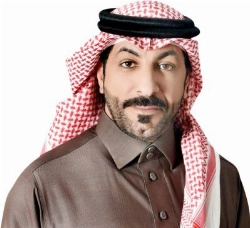
التعليمُ ركيزة أساسية لتطوُّر المجتمعات، ومُنطلق رئيسٌ لقيام الحضارات، وما من حضارة قامت إلا وهي تولي التعليم اهتماما كبيرا، وتوفِّرُ ما يحتاج إليه أبناء الجيل من معارف ومهارات وقيم.منذ ظهور أول نظام للتعليم في المملكة عام (1926م)، مرورا بإنشاء وزارة المعارف عام (1953)، وكان الملك فهد بن عبدالعزيز -رحمه الله- أول وزير لها، وإلى وقتنا الحالي، والمملكة العربية السعودية تولي كل اهتمام وتقدير للمعلم الذي يوصل العلوم والمعارف إلى أبناء الجيل، ويغرس القيم الفاضلة في نفوسهم، ويُكوِّن لديهم الاتجاهات الإيجابية نحو المعاني الخيِّرَة والقيم السامية.ومن عناية المملكة بالمعلم بذل كل جهد في توفير برامج إعداد المعلمين؛ لتمكينهم من الحصول على الكفايات التربوية والتدريسية والجدارات اللازمة، وإطلاعهم على الخبرات العالمية الرائدة التي تُغني معارفهم، وتمكِّنهم من معرفة ما لدى الثقافات الأخرى من مزايا في مجالات التربية والتعليم والتعلُّم، بما يضمن تطورهم المهني، ويساعدهم في الارتقاء بمستوى المؤسسات التعليمية التي يعملون فيها.عايشتُ تجربة المملكة العربية السعودية طيلة ربع قرن من الزمن خلال عملي في مجال التعليم العام والجامعي. ويُمكنني القول بكل ثقة: إنَّ المملكة العربية السعودية قطعت أشواطا عديدة، وحقَّقت نجاحات كثيرة في مضمار التعليم نتيجةً لِعَزمها على التطوُّر في هذا المجال، والاستثمار في رأس المال البشري، ورغبتها في مواكبة مستجدات العصر المتسارعة، ودفع عجلة التنمية قدما إلى الأمام.عبَّرت المملكة عن اهتمامها البالغ في التعليم من خلال رؤيتها الطموحة (2030)، ومما جاء فيها: «سنرسخ القيم الإيجابية في شخصيات أبنائنا عن طريق تطوير المنظومة التعليمية والتربوية بجميع مكوناتها، مما يمكن المدرسة بالتعاون مع الأسرة من تقوية نسيج المجتمع، من خلال إكساب الطالب المعارف والمهارات والسلوكيات الحميدة ليكون ذا شخصية مستقلة تتصف بروح المبادرة والمثابرة والقيادة ولديها القدر الكافي من الوعي الذاتي والاجتماعي والثقافي، وسنعمل على استحداث مجموعة كبيرة من الأنشطة الثقافية والاجتماعية والتطوعية والرياضية عبر تمكين المنظومة التعليمية والثقافية والترفيهية».وفيما يأتي أبرز ملامح تجربة المملكة العربية السعودية في مجال التعليم:أولا-تطبيق مشروع بوابة المستقبل:في عام (1438هـ) تم البدء بتطبيق مشروع (بوابة المستقبل) التحول الرقمي في المدارس على (150) مدرسة، وفي العام الذي تَلاه (1500) مدرسة، لتتحوَّل جميعُ المدارس في المملكة إلى بيئة رقمية تفاعلية، في ضوء تمكين طلاب المملكة وطالباتها من التقنية ومن استخدامها وتطويعها في العمل التعليمي.ثانيا-عقد اتفاقيات مع الدول المتقدمة في مجال التعليم:في عام (1443 هـ) تمَّ عقد اتفاق بين وزيرَي التعليم السعودي والكوري من خلال اللجنة السعودية- الكورية المشتركة لتعزيز التعاون العلمي والبحث والابتكار. والتعاون في مجالات التعليم الإلكتروني واستخدامات الذكاء الاصطناعي في طرق التدريس، وكذلك تعزيز العمل في التعليم الجامعي فيما يخص الطلاب والطالبات والأساتذة والبعثات العلمية، وتبادل الزيارات بين منسوبي التعليم، والتعاون في مجال تعليم اللغتين العربية والكورية في معاهد وجامعات البلدين.بالإضافة إلى توسيع نطاق فرص زيادة التبادلات الثنائية بين جيل الشباب في البلدين، باعتبار بناء قدرات الشباب مجالاً رئيسياً في التعاون الثنائي، والعمل معاً بشكل وثيق في مجال التعليم، كتوسيع التعاون بين المعاهد الأكاديمية، كما اتفق الجانبان على تعزيز تبادل المنح الدراسية وفرص التعليم وتشجيع الزيارات الطلابية وترجمة المواد العلمية والأدبية المميزة ونشرها في الصحف العلمية.ثالثا-المشاركة في الاختبارات الدولية:سعيا لتعزيز حضورها العالمي في مجال التعليم؛ وإثراء الطلاب بخبرات عالمية نوعيَّة، تُسهم في صقل تجاربهم، وتنمية مهاراته، حرصَت المملكة على المشاركة في الاختبارات الدولية مثل: (PISA, TIMSS, PIRLS. ).رابعا-المشاركة في المسابقات العلمية العالمية: تحرص وزارة التعليم في المملكة العربية السعودية على المشاركة في المسابقات العلمية العالمية في ضوء عزمها على تحقيق قفزات نوعية في مجال التعليم، ومن أمثلة ذلك: المشاركة في أولمبياد البلقان للرياضيات التي انطلقت في العام 1984م. والمشاركة في أولمبياد العلوم الدولي للناشئين: (IJSO) التي تستهدف الطلاب والطالبات الذين تقل أعمارهم عن ستة عشر عاما، وتهدف إلى تعزيز الاهتمام بالعلوم والرياضيات بين طلبة المدارس، والتأثير الإيجابي في تعليم العلوم والرياضيات والإسهام في تطورها.خامسا- إطلاق برنامج تنمية القدرات البشرية:عَمل برنامج تنمية القدرات البشرية منذ إطلاقه عام (2021) على ضمان جاهزية المواطنين في جميع مراحل الحياة من خلال الاستثمار في المواهب والكفاءات الوطنية، وضمان المواءمة بين مخرجات التعليم واحتياجات سوق العمل، وتعزيز ودعم ثقافة الابتكار وريادة الأعمال، وتطوير وإعادة تأهيل المهارات، إضافةً إلى ترسيخ القيم وتعزيزها، ونشر اللغة العربية والاعتزاز بها؛ للوصول إلى اقتصاد مزدهر تقوده قدرات وطنية ذات كفاءة عالية. وركَّز البرنامج على مهارات المستقبل الأساسية اللازمة لمستقبل العمل.سادسا-تأسيس هيئة تقويم التعليم:تأسست هيئة تقويم التعليم والتدريب عام 1438هـ، وفق قرار مجلس الوزراء رقم (94)، من أجل الوقوف على عمليات التقويم والقياس، واعتماد المؤهلات في التعليم والتدريب في القطاعين العام والخاص؛ ورفع جودة تلك المؤهلات وكفاءتها، وجعلها مُسهمةً في خدمة الاقتصاد والتنمية الوطنية. ومن أهداف هيئة تقويم التعليم: تحسين نتائج تعلُّم الطلاب وأدائهم، وتعزيز تميُّز وجودة الممارسين في التعليم والتدريب، وتعزيز تميُّز وجودة مؤسسات وبرامج التعليم والتدريب، ونشر وتفعيل ثقافة التحسين المستمر لمنظومة التعليم والتدريب من خلال توصيات وقرارات قائمة على البيانات والبراهين لتقييم الاتجاهات والتحول الاستراتيجي، وتعزيز عملية صنع القرار، وبناء القدرات الداخلية للهيئة وتطويرها.سابعا-اختبارات القدرات العامة:انطلاقا من حرص المملكة العربية السعودية على تطوير التعليم، وتجويد مخرجاته، تم إطلاق مشروع اختبار القدرات العامة، وهو اختبار يقيس القدرات اللفظية والرياضية المتعلقة بعمليات التعلم، كالقدرة التحليلية والاستدلالية والاستنباطية لدى خريجي الثانوية العامة بكافة مساراتها، والراغبين في الالتحاق بمؤسسات التعليم العالي.وجديرٌ بالذكر أنَّ اختبار القدرات العامة فرصةٌ كبيرة للطلاب لكي يُعيدوا قراءة المفاهيم الأساسية في الرياضيات، والعلوم، واللغة العربية وتثبيتها في أذهانهم. ومن جانب آخر فإنَّ هذه الاختبارات تصقل معارف الطلاب، وتعزز فهمَهم للمعلومات وتمكُّنَهم منها.8-الشراكات الدولية والاستقطاب:تحرص المملكة على عقد الشراكات وتبادل الخبرات من خلال برنامج استقطاب المدارس العالمية الذي تقوم به الهيئة الملكية لمدينة الرياض، والذي يهدف لافتتاح مدارس عالمية في العاصمة، بالشراكة مع وزارتي التعليم والاستثمار، في إطار سعي الهيئة لخلق بيئة تعليمية عالية الجودة؛ توفّر فرص تعلّم وعمل مميزة وطموحة، تواكب الرؤى التطويرية لمدينة الرياض، لتكون واحدة من أكبر اقتصاديات المدن في العالم. وأكدَّت الأستاذة هلا حلواني: المدير العام لتنمية قطاع التعليم في الهيئة الملكية لمدينة الرياض: «على أنَّ المدارس العالمية التي تم استقطابها إلى العاصمة الرياض مثل: (كينجز كوليدج) و (اس إي كاي التعليمية الدولية)، و(ألدنهام)، و(داوون هاوس)، و(ون وورلد العالمية) و(ريجيت جرامار)، و(بيتشهول) ستسهم في رفع كفاءة القطاع التعليمي، من خلال جذب الخبرات التعليمية العالمية، وخلق فرص تعليمية ذات مستوى عالمي، تسهم في تحسين البيئة التعليمية لسكان مدينة الرياض، من خلال تقديم فلسفة تعلّم جديدة، ومناهج تعليمية شاملة».وعلى مستوى الجامعات وقّعت الهيئة الملكية لتطوير مدينة الرياض اتفاقية لإنشاء مقر لجامعة (IE). الإسبانية الرائدة في أوروبا. كما وقَّعت وزارتا الاستثمار والتعليم اتفاقيتين لفتح فروع لجامعة أريزونا الأمريكية، وجامعة ولونغونغ الأسترالية في السعودية.وختاما، فإنّ المملكة العربية السعودية تخطو خطوات كبيرة، وتحقق نقلات نوعية في مجال التعليم والبحث العلمي، في ضوء سعيها الحثيث، وتطلعاتها الطموحة لتحقيق الجودة الشاملة والتميز المؤسسي في قطاع التعليم وفق أعلى المعايير العالمية.@badrhussain1969كاتب سوري

د. بدر الحسين
التجربة السعودية الرائدة في التعليم


Education is a fundamental pillar for the development of societies and a primary starting point for the establishment of civilizations. No civilization has emerged without giving significant attention to education and providing what the younger generation needs in terms of knowledge, skills, and values. Since the establishment of the first education system in the Kingdom in (1926), through the creation of the Ministry of Education in (1953), with King Fahd bin Abdulaziz - may God have mercy on him - being its first minister, up to the present time, the Kingdom of Saudi Arabia has shown great interest and appreciation for the teacher who imparts knowledge and skills to the younger generation, instills virtuous values in their souls, and shapes their positive attitudes towards noble meanings and high values. The Kingdom's care for teachers includes making every effort to provide teacher preparation programs to enable them to acquire the necessary educational and teaching competencies and skills, and to expose them to leading global experiences that enrich their knowledge and allow them to understand the advantages of other cultures in the fields of education and learning, ensuring their professional development and helping them elevate the level of the educational institutions in which they work. I have experienced the Kingdom of Saudi Arabia for a quarter of a century during my work in general and university education. I can confidently say that the Kingdom has made significant strides and achieved many successes in the field of education as a result of its determination to develop in this area, invest in human capital, and its desire to keep pace with the rapid changes of the modern era and push the wheel of development forward. The Kingdom has expressed its deep interest in education through its ambitious vision (2030), which states: “We will instill positive values in the personalities of our children by developing the educational and pedagogical system in all its components, enabling the school, in cooperation with the family, to strengthen the fabric of society by equipping the student with knowledge, skills, and good behaviors to become an independent individual characterized by initiative, perseverance, and leadership, with sufficient self-awareness and social and cultural awareness. We will work to create a large number of cultural, social, voluntary, and sports activities through empowering the educational, cultural, and entertainment system.” The following are the main features of the Kingdom of Saudi Arabia's experience in the field of education: First - Implementation of the Future Gate Project: In the year (1438 AH), the Future Gate project for digital transformation in schools began to be implemented in (150) schools, and in the following year, (1500) schools, to transform all schools in the Kingdom into an interactive digital environment, enabling students in the Kingdom to utilize technology in educational work. Second - Signing agreements with advanced countries in the field of education: In the year (1443 AH), an agreement was reached between the Saudi and Korean Ministers of Education through the Saudi-Korean joint committee to enhance scientific cooperation, research, and innovation, and collaboration in the fields of e-learning and the use of artificial intelligence in teaching methods, as well as enhancing work in higher education concerning students, professors, and scientific missions, exchanging visits among education personnel, and cooperating in teaching Arabic and Korean languages in the institutes and universities of both countries. Additionally, expanding opportunities for increasing bilateral exchanges among the youth of both countries, considering building the capacities of youth as a key area of bilateral cooperation, and working closely together in the field of education, such as expanding cooperation between academic institutes. The two sides also agreed to enhance the exchange of scholarships and educational opportunities, encourage student visits, translate distinguished scientific and literary materials, and publish them in scientific journals. Third - Participation in international assessments: In an effort to enhance its global presence in the field of education and enrich students with qualitative global experiences that contribute to refining their experiences and developing their skills, the Kingdom has been keen to participate in international assessments such as (PISA, TIMSS, PIRLS). Fourth - Participation in international scientific competitions: The Ministry of Education in the Kingdom of Saudi Arabia is keen to participate in international scientific competitions in light of its determination to achieve qualitative leaps in the field of education. Examples include participation in the Balkan Mathematics Olympiad, which started in 1984, and participation in the International Junior Science Olympiad (IJSO), which targets students under the age of sixteen, aiming to enhance interest in science and mathematics among school students and positively impact the teaching of science and mathematics and contribute to its development. Fifth - Launching the Human Capacity Development Program: Since its launch in (2021), the Human Capacity Development Program has worked to ensure the readiness of citizens at all stages of life by investing in national talents and competencies, ensuring alignment between educational outputs and labor market needs, enhancing and supporting a culture of innovation and entrepreneurship, and developing and rehabilitating skills, in addition to instilling and promoting values and spreading the Arabic language and pride in it, to achieve a prosperous economy led by highly efficient national capabilities. The program focused on the essential future skills necessary for the future of work. Sixth - Establishing the Education Evaluation Authority: The Education and Training Evaluation Authority was established in 1438 AH, according to Cabinet Resolution No. (94), to oversee evaluation and measurement processes, approve qualifications in education and training in the public and private sectors, raise the quality and efficiency of those qualifications, and make them contribute to serving the economy and national development. Among the goals of the Education Evaluation Authority are improving student learning outcomes and performance, enhancing the excellence and quality of practitioners in education and training, promoting the excellence and quality of educational and training institutions and programs, and disseminating and activating a culture of continuous improvement in the education and training system through recommendations and decisions based on data and evidence to evaluate trends and strategic transformation, enhance the decision-making process, and build and develop the internal capacities of the authority. Seventh - General Aptitude Tests: Based on the Kingdom of Saudi Arabia's keenness to develop education and improve its outputs, the General Aptitude Test project was launched, which measures verbal and mathematical abilities related to learning processes, such as analytical, inferential, and deductive abilities among high school graduates of all tracks who wish to enroll in higher education institutions. It is worth noting that the General Aptitude Test is a great opportunity for students to revisit and solidify the fundamental concepts in mathematics, science, and the Arabic language in their minds. On the other hand, these tests refine students' knowledge, enhance their understanding of information, and empower them. Eighth - International partnerships and recruitment: The Kingdom is keen to establish partnerships and exchange experiences through the Global Schools Recruitment Program conducted by the Royal Commission for Riyadh City, which aims to open global schools in the capital in partnership with the Ministries of Education and Investment, as part of the commission's efforts to create a high-quality educational environment that provides distinctive and ambitious learning and work opportunities, keeping pace with the developmental visions for the city of Riyadh, to become one of the largest city economies in the world. Ms. Hala Halwani, General Director of Education Sector Development at the Royal Commission for Riyadh City, emphasized that the global schools that have been attracted to the capital Riyadh, such as (King's College), (S.E.K. International Education), (Aldenham), (Downe House), (One World International), and (Regent Grammar), will contribute to enhancing the efficiency of the educational sector by attracting global educational expertise and creating world-class educational opportunities that contribute to improving the educational environment for the residents of Riyadh City by providing a new learning philosophy and comprehensive educational curricula. At the university level, the Royal Commission for the Development of Riyadh City signed an agreement to establish a campus for the leading Spanish University (IE) in Europe. The Ministries of Investment and Education also signed agreements to open branches of the University of Arizona and the University of Wollongong in Australia in Saudi Arabia. In conclusion, the Kingdom of Saudi Arabia is making significant strides and achieving qualitative leaps in the field of education and scientific research in light of its diligent pursuit and ambitious aspirations to achieve comprehensive quality and institutional excellence in the education sector according to the highest global standards. @badrhussain1969 Syrian writer