لم يكن التحذير الذي جهر به صاحب السمو الملكي الأمير عبدالعزيز بن سلمان وزير الطاقة السعودي، حول مترتبات التحوّل في الطاقة، في الجلسة الافتتاحية بندوة «أوبك» الدولية التاسعة، التي أقيمت الأسبوع المنصرم بالعاصمة النمساوية فيينا، منطلقًا من مشاعر قلق حيال اضطراب محتمل في سوق الطاقة التقليدية، بوصف المملكة تمثل عنصرًا أساسيًا فيه؛ بل كانت النظرة أبعد من ذلك، و«الرؤية» تستشرف أفقًا «إنسانيًا»، يرى بشمول يتجاوز الحسابات الآنية، والمصالح الضيقة، بما يحفظ التوازن الاقتصادي العالمي، ويردم الفجوات المتنامية بين شعوب ودول العالم، مما عمّق الأزمات، وزاد من حالة الاختلال الناشئة والمنظورة في العالم اليوم..
وهو عين ما ألمح ونبّه إليه الأمير عبدالعزيز بن سلمان، بالإشارة البارقة إلى ما يعانيه نحو ملياري شخص حول العالم من نقص الطاقة، بما يعني بداهة عدم القدرة على امتلاك أسباب الإنتاج في حدودها الدنيا التي تغطي جزءًا من تكاليف العيش في أدنى مستوياته، فكان تحذيره واضحًا وبالجًا وقويًا بحتمية أن لا يأتي هذا التحوّل نحو الطاقات البديلة خصمًا على النمو الاقتصادي وتكاليف المعيشة، وأن يكون «مسار التحول الطاقي واقعيًا وعمليًا»..
فهذان العنصران: «الواقعية» و«العملية» يقتضيان المعرفة بالمعطيات، وتقدير الإمكانيات تقديرًا سليمًا يتفق مع خطط التنمية المراعية لمسألة النمو الاقتصادي، وفق الاستراتيجيات المتبعة في كل بلد، ويتبع ذلك بالضرورة عنصر «العملية» التي تعني – في ما تعني – تسخير الإمكانيات بتقدير سليم، خلوصًا إلى النتائج المرسومة بتوقعات عالية، ونسب مرضية.
لقد ضربت المملكة العربية السعودية المثل، وقدّمت النموذج العملي على ذلك، فمع احتفاظها بمقعد الصدارة في إنتاج وتصدير الطاقة التقليدية، اتجهت إلى التوسّع في مسار الطاقة البديلة، بما يشمل ذلك الطاقة الشمسية والنووية، فقد بشّر بذلك الأمير عبدالعزيز بن سلمان، خلال الدورة الـ(68) للمؤتمر العام للوكالة الدولية للطاقة الذرية، وأوضح أن المملكة ستستشرف مطلع العام 2025 بإضافة نوعية جديدة في منظومة الطاقة، تمكّنها من المحافظة على موقعها الريادي في سوق الطاقة، بما ينسجم مع مكانتها الاقتصادية، ورؤيتها المستقبلية، وكانت تلك البشارة منسجمة مع «رؤية السعودية 2030»، واستشرافها لمآلات العالم المستقبلية مع الطاقة وعالمها، واستعدادًا مبكرًا تنتفي معه المفاجآت، وتتقلص فيه فرص الخسائر المحتملة حيال الاعتماد على الطاقة التقليدية، واتجاه العالم نحو الطاقة النظيفة، اتساقًا مع التوازن البيئي، والمحافظة على كوكب الأرض..
وكيفما انتهى إليه الحال؛ فإن المواءمة بين الطاقة التقليدية والتحوّل الطاقي معادلة مهمة، تتطلّب وعيًا عالميًا؛ بحيث لا يتم التعامل مع أي منهما بانحراف يخرجهما من السياق الاقتصادي البحت، الضامن لأمن وسلامة ورفاه الشعوب، فبمثل ما طمأن الأمير عبدالعزيز بن سلمان الجميع في مؤتمر الطاقة الذرية بأن المملكة «تتجه نحو الاستفادة من الطاقة النووية وتطبيقاتها الإشعاعية للأغراض السلمية نظرًا لأهمية دورها في التنمية الاجتماعية والاقتصادية»؛ فقد جاء تطمينه أيضًا بالإشارة إلى «أن التحوّل في الطاقة لا يمثّل تهديدًا لمنتجي النفط، بل يُعدّ مسارًا للابتكار التكنولوجي»، وأن النفط والغاز سيظلان عنصرين أساسيين لا غنى عنهما في ظل التوسع في مصادر الطاقة المتجددة والنووية والهيدروجين؛ بل ذهب إلى أبعد من ذلك بالتأكيد على أن «ضمان قوة وكفاءة شبكات الطاقة يتطلب التأكد من وجود كميات كافية من السوائل البترولية لتشغيلها».
إن أكثر ما يبعث على الفخر والاعتزاز أن المملكة العربية السعودية مع رؤية 2030 قادرة على النظر في كل الاتجاهات، ومتعاملة مع الواقع بكل تعقيداته الماثلة، ومستشرفة للمستقبل بكل احتمالاته المنظورة، ويتجلى هذا بوضوح في ما يتصل بعالم الطاقة، والقدرة السعودية العالية على إدارة هذا الملف العالمي الحسّاس، مع تقلبات الأسواق العالمية بالنظر للأحداث الطارئة والساخنة التي تدور بين الفينة والأخرى، ليبقى ميزان الضبط بيد المملكة من حيث الإمداد والضخ وضبط إيقاع السوق العالمي، ماضية في الوقت نفسه في مسار التحوّل الطاقي، والاستفادة من كل الموارد المتاحة، وهو ما من شأنه أن يحفظ للمملكة مكانتها الصدارية في عالم الطاقة، وترسيخ مكانتها الريادية العالمية، سواء بما نشهده من اكتشافات نفطية وغازية جديدة، أو من خلال الدخول إلى النادي النووي، وعالم الطاقة النظيفة، فالمحصلة في النهاية ريادة مستحقة لدولة عملت وتعمل بهمة دؤوبة لضمان استقرار أسواق الطاقة العالمية، ولعب دور جوهري ومحوري وأساسي في منظومة الاقتصاد الدولي.
حفظ الله قيادتنا الرشيدة وبارك لنا جميعاً في رجالها المقتدرين لمستقبل أفضل.
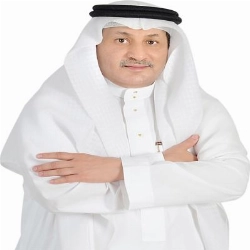
نجيب يماني
سوق الطاقة.. تُدار من الرياض لا من العواصم الباردة !
21 يوليو 2025 - 00:13
|
آخر تحديث 21 يوليو 2025 - 00:13


تابع قناة عكاظ على الواتساب
The warning voiced by His Royal Highness Prince Abdulaziz bin Salman, the Saudi Minister of Energy, regarding the implications of the energy transition during the opening session of the 9th International OPEC Symposium held last week in the Austrian capital Vienna, did not stem from feelings of concern about a potential disruption in the traditional energy market, in which the Kingdom represents a key element. Rather, the perspective was broader, with a "vision" that anticipates a "human" horizon, seeing comprehensively beyond immediate calculations and narrow interests, aiming to preserve global economic balance and bridge the growing gaps between the peoples and nations of the world, which have deepened crises and increased the state of imbalance currently observable in the world today.
This is precisely what Prince Abdulaziz bin Salman hinted at and warned about, referring to the plight of nearly two billion people around the world suffering from energy shortages, which inherently means an inability to possess the means of production at the minimum levels that cover part of the living costs at their lowest. His warning was clear, resonant, and strong, emphasizing that this transition to alternative energies should not come at the expense of economic growth and living costs, and that the "energy transition path must be realistic and practical."
These two elements: "realism" and "practicality" necessitate knowledge of the data and an accurate assessment of capabilities that align with development plans considering economic growth, according to the strategies followed in each country. This is necessarily followed by the element of "practicality," which means – among other things – harnessing capabilities with sound estimation, leading to the anticipated results with high expectations and satisfactory rates.
The Kingdom of Saudi Arabia has set an example and provided a practical model for this. While maintaining its leading position in the production and export of traditional energy, it has moved towards expanding into alternative energy, including solar and nuclear energy. Prince Abdulaziz bin Salman heralded this during the 68th General Conference of the International Atomic Energy Agency, stating that the Kingdom will foresee a new qualitative addition to its energy system by the beginning of 2025, enabling it to maintain its pioneering position in the energy market, in line with its economic stature and future vision. This announcement was consistent with "Saudi Vision 2030," anticipating the future outcomes of the world concerning energy and its domain, and preparing early to eliminate surprises and reduce the chances of potential losses regarding reliance on traditional energy, as the world shifts towards clean energy, consistent with environmental balance and the preservation of the planet.
Regardless of how things end up; the alignment between traditional energy and the energy transition is an important equation requiring global awareness, so that neither is treated with a deviation that removes them from the purely economic context, which guarantees the security, safety, and welfare of peoples. Just as Prince Abdulaziz bin Salman reassured everyone at the Atomic Energy Conference that the Kingdom "is moving towards benefiting from nuclear energy and its radiation applications for peaceful purposes due to its important role in social and economic development," he also reassured by indicating that "the energy transition does not represent a threat to oil producers, but is considered a pathway for technological innovation," and that oil and gas will remain essential elements that cannot be dispensed with amid the expansion of renewable, nuclear, and hydrogen energy sources. He even went further by affirming that "ensuring the strength and efficiency of energy networks requires ensuring that there are sufficient quantities of petroleum liquids to operate them."
What brings the most pride and honor is that the Kingdom of Saudi Arabia, with Vision 2030, is capable of looking in all directions, dealing with reality in all its present complexities, and anticipating the future with all its foreseeable possibilities. This is clearly manifested in relation to the energy world and Saudi Arabia's high capability to manage this sensitive global file, amid the fluctuations of global markets considering the urgent and heated events that occur from time to time, allowing the Kingdom to maintain the balance of control over supply and market rhythm, while simultaneously progressing in the energy transition path and benefiting from all available resources. This is what will preserve the Kingdom's leading position in the energy world and reinforce its global pioneering status, whether through the new oil and gas discoveries we witness or by entering the nuclear club and the world of clean energy. Ultimately, the result is a deserved leadership for a state that has worked and continues to work diligently to ensure the stability of global energy markets and to play a fundamental and pivotal role in the international economic system.
May God preserve our wise leadership and bless us all with its capable men for a better future.
This is precisely what Prince Abdulaziz bin Salman hinted at and warned about, referring to the plight of nearly two billion people around the world suffering from energy shortages, which inherently means an inability to possess the means of production at the minimum levels that cover part of the living costs at their lowest. His warning was clear, resonant, and strong, emphasizing that this transition to alternative energies should not come at the expense of economic growth and living costs, and that the "energy transition path must be realistic and practical."
These two elements: "realism" and "practicality" necessitate knowledge of the data and an accurate assessment of capabilities that align with development plans considering economic growth, according to the strategies followed in each country. This is necessarily followed by the element of "practicality," which means – among other things – harnessing capabilities with sound estimation, leading to the anticipated results with high expectations and satisfactory rates.
The Kingdom of Saudi Arabia has set an example and provided a practical model for this. While maintaining its leading position in the production and export of traditional energy, it has moved towards expanding into alternative energy, including solar and nuclear energy. Prince Abdulaziz bin Salman heralded this during the 68th General Conference of the International Atomic Energy Agency, stating that the Kingdom will foresee a new qualitative addition to its energy system by the beginning of 2025, enabling it to maintain its pioneering position in the energy market, in line with its economic stature and future vision. This announcement was consistent with "Saudi Vision 2030," anticipating the future outcomes of the world concerning energy and its domain, and preparing early to eliminate surprises and reduce the chances of potential losses regarding reliance on traditional energy, as the world shifts towards clean energy, consistent with environmental balance and the preservation of the planet.
Regardless of how things end up; the alignment between traditional energy and the energy transition is an important equation requiring global awareness, so that neither is treated with a deviation that removes them from the purely economic context, which guarantees the security, safety, and welfare of peoples. Just as Prince Abdulaziz bin Salman reassured everyone at the Atomic Energy Conference that the Kingdom "is moving towards benefiting from nuclear energy and its radiation applications for peaceful purposes due to its important role in social and economic development," he also reassured by indicating that "the energy transition does not represent a threat to oil producers, but is considered a pathway for technological innovation," and that oil and gas will remain essential elements that cannot be dispensed with amid the expansion of renewable, nuclear, and hydrogen energy sources. He even went further by affirming that "ensuring the strength and efficiency of energy networks requires ensuring that there are sufficient quantities of petroleum liquids to operate them."
What brings the most pride and honor is that the Kingdom of Saudi Arabia, with Vision 2030, is capable of looking in all directions, dealing with reality in all its present complexities, and anticipating the future with all its foreseeable possibilities. This is clearly manifested in relation to the energy world and Saudi Arabia's high capability to manage this sensitive global file, amid the fluctuations of global markets considering the urgent and heated events that occur from time to time, allowing the Kingdom to maintain the balance of control over supply and market rhythm, while simultaneously progressing in the energy transition path and benefiting from all available resources. This is what will preserve the Kingdom's leading position in the energy world and reinforce its global pioneering status, whether through the new oil and gas discoveries we witness or by entering the nuclear club and the world of clean energy. Ultimately, the result is a deserved leadership for a state that has worked and continues to work diligently to ensure the stability of global energy markets and to play a fundamental and pivotal role in the international economic system.
May God preserve our wise leadership and bless us all with its capable men for a better future.