في ظل التغيرات المتسارعة في الشرق الأوسط، أصبحت وحدة السياسة الخارجية لدول الخليج ضرورة ملحة، ليس فقط لحماية مصالحها الوطنية، بل أيضاً للمساهمة الفاعلة في استقرار المنطقة وإعادة إعمارها بعد سنوات من النزاعات.
تتمثل الخطوة الأولى في تعزيز التعاون الإقليمي، عبر بناء تحالفات مرنة مع الدول المجاورة تقوم على مشاريع تنموية ومصالح مشتركة. كما يتطلب المشهد الإقليمي اليوم إعادة بناء الثقة مع دول أخرى من خلال الحوار السياسي الهادئ والمباشر.
وتسهم الاستثمارات الخليجية العابرة للحدود في دعم اقتصادات دول المنطقة، وخلق فرص عمل، مما يساهم في الحد من الفقر والتطرف. ويمكن أن يشكّل التكامل الاقتصادي الخليجي – الشرق أوسطي منصة للاتفاقيات التجارية وتطوير البنية التحتية الإقليمية.
أما على صعيد الأمن، فإن التوجه نحو مبادرات الأمن الجماعي بات مطلبًا ضروريًا في ظل التهديدات المتزايدة، من النزاعات الطائفية إلى تنامي المليشيات. دور دول الخليج هنا يجب أن يتجاوز الدفاع عن الذات ليشمل المساهمة في وضع أطر إقليمية لمكافحة الإرهاب وتعزيز الاستقرار.
في الجانب السياسي، يتطلب الواقع الخليجي سياسة خارجية متوازنة ومستقلة، تخفف من الاعتماد على القوى الكبرى مثل الولايات المتحدة أو الصين، وتفتح المجال أمام شراكات متعددة. كما أن قيام دول الخليج بدور الوسيط في نزاعات مثل اليمن وسوريا يعزز صورتها كقوة سلام وعامل توازن إقليمي.
ولا يمكن إغفال أهمية القوة الناعمة كأداة سياسية فعّالة. فدعم التعليم والمشاريع الثقافية، إلى جانب توجيه المساعدات الإنسانية للدول المتضررة، يعزز من مكانة دول الخليج في الوعي الإقليمي والعالمي.
وأخيرًا، فإن التكيّف مع التحولات العالمية مثل الانتقال إلى الطاقة المتجددة والاستثمار في الذكاء الاصطناعي، سيمنح الخليج أدوات جديدة لبناء شراكات مستقبلية، ويحوّل اقتصاده إلى مصدر تأثير طويل الأمد.
إن وحدة الموقف الخليجي، متى ما ترافقت مع رؤية إستراتيجية شاملة، ستجعل من دول الخليج لاعبًا محوريًا لا يمكن تجاوزه في إعادة تشكيل الشرق الأوسط كمنطقة أكثر استقرارًا وتعاونًا.
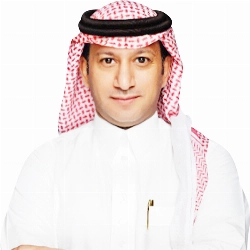
سلطان السعد القحطاني
وحدة السياسة الخارجية الخليجية.. مفتاح الاستقرار في الشرق الأوسط
10 يوليو 2025 - 00:05
|
آخر تحديث 10 يوليو 2025 - 00:05


تابع قناة عكاظ على الواتساب
In light of the rapid changes in the Middle East, the unity of the foreign policy of Gulf States has become an urgent necessity, not only to protect their national interests but also to actively contribute to the stability of the region and its reconstruction after years of conflicts.
The first step is to enhance regional cooperation by building flexible alliances with neighboring countries based on developmental projects and shared interests. The current regional landscape also requires rebuilding trust with other countries through calm and direct political dialogue.
Cross-border Gulf investments contribute to supporting the economies of the region's countries and creating job opportunities, which helps reduce poverty and extremism. The Gulf-Middle Eastern economic integration can serve as a platform for trade agreements and the development of regional infrastructure.
On the security front, the shift towards collective security initiatives has become a necessary demand in light of increasing threats, from sectarian conflicts to the rise of militias. The role of Gulf States here should go beyond self-defense to include contributing to the establishment of regional frameworks for combating terrorism and enhancing stability.
Politically, the Gulf reality requires a balanced and independent foreign policy that reduces dependence on major powers like the United States or China and opens the door to multiple partnerships. Additionally, the Gulf States' role as mediators in conflicts such as Yemen and Syria enhances their image as a force for peace and a regional balancing factor.
The importance of soft power as an effective political tool cannot be overlooked. Supporting education and cultural projects, along with directing humanitarian aid to affected countries, enhances the status of Gulf States in regional and global awareness.
Finally, adapting to global transformations such as the transition to renewable energy and investing in artificial intelligence will provide the Gulf with new tools to build future partnerships and transform its economy into a source of long-term influence.
The unity of the Gulf stance, when accompanied by a comprehensive strategic vision, will make the Gulf States a pivotal player that cannot be overlooked in reshaping the Middle East into a more stable and cooperative region.
The first step is to enhance regional cooperation by building flexible alliances with neighboring countries based on developmental projects and shared interests. The current regional landscape also requires rebuilding trust with other countries through calm and direct political dialogue.
Cross-border Gulf investments contribute to supporting the economies of the region's countries and creating job opportunities, which helps reduce poverty and extremism. The Gulf-Middle Eastern economic integration can serve as a platform for trade agreements and the development of regional infrastructure.
On the security front, the shift towards collective security initiatives has become a necessary demand in light of increasing threats, from sectarian conflicts to the rise of militias. The role of Gulf States here should go beyond self-defense to include contributing to the establishment of regional frameworks for combating terrorism and enhancing stability.
Politically, the Gulf reality requires a balanced and independent foreign policy that reduces dependence on major powers like the United States or China and opens the door to multiple partnerships. Additionally, the Gulf States' role as mediators in conflicts such as Yemen and Syria enhances their image as a force for peace and a regional balancing factor.
The importance of soft power as an effective political tool cannot be overlooked. Supporting education and cultural projects, along with directing humanitarian aid to affected countries, enhances the status of Gulf States in regional and global awareness.
Finally, adapting to global transformations such as the transition to renewable energy and investing in artificial intelligence will provide the Gulf with new tools to build future partnerships and transform its economy into a source of long-term influence.
The unity of the Gulf stance, when accompanied by a comprehensive strategic vision, will make the Gulf States a pivotal player that cannot be overlooked in reshaping the Middle East into a more stable and cooperative region.