لسنوات، شكك البعض في قدرة السعودية على التحول إلى لاعب محوري في ساحة الرياضة العالمية. وُجهت انتقادات واسعة لمشروعها الرياضي الطموح، ووصفت بعض الجهات الدولية استثمارات المملكة في الرياضة بمصطلحات سلبية، مثل «الغسيل الرياضي»، في محاولة للتشكيك في نواياها أو التقليل من أهمية خطواتها.
لكن المملكة، كعادتها، لم تلتفت لهذه الأصوات، وواصلت بثقة تنفيذ رؤيتها. اليوم، أثبتت التجربة أنها كانت على صواب، وأن من شكك في مشروعها كان على خطأ. وأبرز الأدلة جاء من ميدان كرة القدم، حين أصبح نادي الهلال السعودي حديث العالم بأدائه الاستثنائي في كأس العالم للأندية، وبلوغه مراحل متقدمة بشكل لفت أنظار الجميع.
هذا الإنجاز لم يكن وليد المصادفة، بل نتيجة مباشرة لرؤية وطنية تقودها إرادة سياسية واعية، ممثلة في ولي العهد الأمير محمد بن سلمان، الذي آمن بأن الرياضة ليست فقط نشاطاً ترفيهياً، بل رافعة اقتصادية وثقافية وسياحية، وأداة إستراتيجية للتواصل مع العالم. لذلك، أصبح الاستثمار في الرياضة جزءاً من مشروع تنموي شامل يتكامل مع بقية مستهدفات «رؤية السعودية 2030».
ورغم الهجمات التي طالت النجوم العالميين الذين اختاروا الانضمام إلى الدوري السعودي، فإن أداءهم، والمستوى الذي وصلت إليه الفرق السعودية، كان كفيلاً بقلب المعادلة. هؤلاء اللاعبون لم يثبتوا فقط صحة قرارهم، بل أصبحوا جزءاً من قصة نجاح أكبر تعكس تحول المملكة إلى مركز جذب رياضي عالمي.
الرياضة في السعودية اليوم ليست مجرد تنافس داخل المستطيل الأخضر، بل مشروع وطني متكامل، يروّج لاسم المملكة ويعزز من صورتها على الساحة الدولية، ويخلق فرصاً اقتصادية ويطور الكوادر المحلية.
ببساطة، المشروع الرياضي السعودي لم ينجح فقط في تحسين مستوى اللعبة، بل نجح أيضاً في تغيير النظرة العالمية تجاه المملكة. وبهذا، تثبت السعودية من جديد أنها تعرف طريق المستقبل، حتى لو لم يره الآخرون بعد.
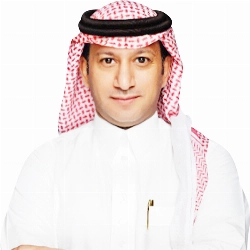
سلطان السعد القحطاني
السعودية تثبت أنهم كانوا على خطأ... والأزرق كان الدليل
3 يوليو 2025 - 00:01
|
آخر تحديث 3 يوليو 2025 - 00:01


تابع قناة عكاظ على الواتساب
For years, some have doubted Saudi Arabia's ability to become a pivotal player in the global sports arena. The kingdom's ambitious sports project has faced widespread criticism, with some international entities describing its investments in sports using negative terms, such as "sportswashing," in an attempt to question its intentions or downplay the significance of its steps.
However, as is customary for the kingdom, it did not pay attention to these voices and confidently continued to implement its vision. Today, experience has proven that it was right, and those who doubted its project were wrong. The most prominent evidence came from the field of football, when Al Hilal, the Saudi club, became the talk of the world with its exceptional performance in the FIFA Club World Cup, reaching advanced stages that caught everyone's attention.
This achievement was not a coincidence but a direct result of a national vision led by a conscious political will, represented by Crown Prince Mohammed bin Salman, who believed that sports are not just a recreational activity but an economic, cultural, and tourism lever, as well as a strategic tool for communication with the world. Therefore, investing in sports became part of a comprehensive developmental project that complements the other targets of "Saudi Vision 2030."
Despite the attacks on the global stars who chose to join the Saudi league, their performance and the level reached by Saudi teams were enough to turn the tide. These players not only proved the correctness of their decision but also became part of a larger success story that reflects the kingdom's transformation into a global sports attraction.
Sports in Saudi Arabia today is not just competition on the green pitch but a comprehensive national project that promotes the kingdom's name, enhances its image on the international stage, creates economic opportunities, and develops local talents.
Simply put, the Saudi sports project has not only succeeded in improving the level of the game but has also succeeded in changing the global perception of the kingdom. In this way, Saudi Arabia proves once again that it knows the path to the future, even if others have not seen it yet.
However, as is customary for the kingdom, it did not pay attention to these voices and confidently continued to implement its vision. Today, experience has proven that it was right, and those who doubted its project were wrong. The most prominent evidence came from the field of football, when Al Hilal, the Saudi club, became the talk of the world with its exceptional performance in the FIFA Club World Cup, reaching advanced stages that caught everyone's attention.
This achievement was not a coincidence but a direct result of a national vision led by a conscious political will, represented by Crown Prince Mohammed bin Salman, who believed that sports are not just a recreational activity but an economic, cultural, and tourism lever, as well as a strategic tool for communication with the world. Therefore, investing in sports became part of a comprehensive developmental project that complements the other targets of "Saudi Vision 2030."
Despite the attacks on the global stars who chose to join the Saudi league, their performance and the level reached by Saudi teams were enough to turn the tide. These players not only proved the correctness of their decision but also became part of a larger success story that reflects the kingdom's transformation into a global sports attraction.
Sports in Saudi Arabia today is not just competition on the green pitch but a comprehensive national project that promotes the kingdom's name, enhances its image on the international stage, creates economic opportunities, and develops local talents.
Simply put, the Saudi sports project has not only succeeded in improving the level of the game but has also succeeded in changing the global perception of the kingdom. In this way, Saudi Arabia proves once again that it knows the path to the future, even if others have not seen it yet.