منذ أكثر من عقدين، والمنطقة تترنح بين أزمات متلاحقة، وحروب تتجدد، وانقسامات تعمّق الجراح. من العراق إلى سوريا، ومن اليمن إلى لبنان، تبدو مشاهد الدمار وعدم الاستقرار وكأنها الصورة الثابتة للشرق الأوسط، وكأن الحروب أصبحت جزءاً من ذاكرة الجغرافيا، لا مجرد عارض طارئ. في ظل هذا الواقع القاتم، يصبح مجرد الحديث عن شرق أوسط مستقر وكأنه حلم بعيد المنال.
ولعل الأحلام الكبيرة لا يصنعها إلا الكبار، وقد ردّد هذا الحلم زعيم عربي شاب هو ولي العهد السعودي الأمير محمد بن سلمان، حين قال بوضوح إنه يحلم بأن يرى الشرق الأوسط يتحول إلى «أوروبا الجديدة». لم يكن هذا التصريح مجرد أمنية عابرة، بل رؤية إستراتيجية دفعت السياسة السعودية إلى تبني نهج جديد يقوم على التنمية والاستثمار والشراكات الإقليمية، بدلاً من الرهان على الحروب أو التدخلات.
رؤية 2030 التي تتبناها المملكة ليست فقط مشروعاً اقتصادياً محلياً، بل هي إطار أوسع لفهم دور السعودية في الإقليم. فاستقرار المنطقة ليس ترفاً سياسياً، بل ضرورة لأمن العالم، ولحياة طبيعية طالما افتقدها أبناؤها. ومنذ 2003، وتحديداً بعد الغزو الأمريكي للعراق، دخل الشرق الأوسط مرحلة جديدة من الفوضى، كان يمكن تفاديها لو توافرت الإرادة السياسية لدى الجميع.
اليوم، تقود السعودية اتصالات فاعلة مع دول الجوار، وتسعى لتخفيف التوترات، بما في ذلك الانفتاح الدبلوماسي على إيران، والوساطة في النزاعات، والاستثمار في الاستقرار بدلاً من الانخراط في صراعات عبثية. قد لا يكون تحقيق «أوروبا الشرق» قريباً، لكن مجرد وجود الحلم هو بداية الطريق.
الأحلام الكبرى تحتاج إلى خطوات جريئة، ورؤية واضحة، وزعامات تؤمن بأن الدم لا يمكن أن يكون قدر هذه المنطقة. لهذا، حين نتحدث عن شرق أوسط مستقر، فنحن لا نصف utopia، بل نطالب بحق بسيط: أن يعيش الناس حياة طبيعية، بلا حرب، بلا خوف، بلا ضياع.
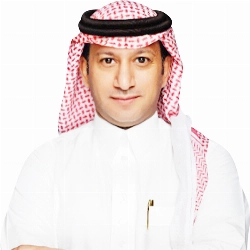
سلطان السعد القحطاني
مجرد حلم: شرق أوسط مستقر
26 يونيو 2025 - 00:09
|
آخر تحديث 26 يونيو 2025 - 00:09


تابع قناة عكاظ على الواتساب
For more than two decades, the region has been reeling from successive crises, renewed wars, and deepening divisions. From Iraq to Syria, and from Yemen to Lebanon, scenes of destruction and instability seem to be the static image of the Middle East, as if wars have become part of the geography's memory, not just a fleeting occurrence. In light of this grim reality, merely talking about a stable Middle East feels like a distant dream.
Perhaps only the great can create great dreams, and this dream has been echoed by a young Arab leader, Saudi Crown Prince Mohammed bin Salman, when he clearly stated that he dreams of seeing the Middle East transform into the "new Europe." This statement was not just a passing wish, but a strategic vision that has driven Saudi policy to adopt a new approach based on development, investment, and regional partnerships, instead of betting on wars or interventions.
Vision 2030, which the Kingdom embraces, is not just a local economic project, but a broader framework for understanding Saudi Arabia's role in the region. The stability of the region is not a political luxury, but a necessity for global security and for a normal life that its people have long missed. Since 2003, specifically after the American invasion of Iraq, the Middle East has entered a new phase of chaos, which could have been avoided if there had been political will from all parties.
Today, Saudi Arabia is leading effective communications with neighboring countries, striving to ease tensions, including diplomatic openness towards Iran, mediation in conflicts, and investing in stability instead of engaging in futile struggles. Achieving the "Europe of the East" may not be imminent, but the mere existence of the dream is the beginning of the journey.
Great dreams require bold steps, a clear vision, and leadership that believes that blood cannot be the fate of this region. Therefore, when we talk about a stable Middle East, we are not describing a utopia, but simply demanding a basic right: for people to live a normal life, without war, without fear, without loss.
Perhaps only the great can create great dreams, and this dream has been echoed by a young Arab leader, Saudi Crown Prince Mohammed bin Salman, when he clearly stated that he dreams of seeing the Middle East transform into the "new Europe." This statement was not just a passing wish, but a strategic vision that has driven Saudi policy to adopt a new approach based on development, investment, and regional partnerships, instead of betting on wars or interventions.
Vision 2030, which the Kingdom embraces, is not just a local economic project, but a broader framework for understanding Saudi Arabia's role in the region. The stability of the region is not a political luxury, but a necessity for global security and for a normal life that its people have long missed. Since 2003, specifically after the American invasion of Iraq, the Middle East has entered a new phase of chaos, which could have been avoided if there had been political will from all parties.
Today, Saudi Arabia is leading effective communications with neighboring countries, striving to ease tensions, including diplomatic openness towards Iran, mediation in conflicts, and investing in stability instead of engaging in futile struggles. Achieving the "Europe of the East" may not be imminent, but the mere existence of the dream is the beginning of the journey.
Great dreams require bold steps, a clear vision, and leadership that believes that blood cannot be the fate of this region. Therefore, when we talk about a stable Middle East, we are not describing a utopia, but simply demanding a basic right: for people to live a normal life, without war, without fear, without loss.