«دعنا نسير باتجاه السماء». هكذا كان يقول لي ونحن نمشي قبيل الغروب في ممشى بجانب النهر في واشنطن، المدينة الأمريكية التي أحبها واعتاد زيارتها، وغادر الدنيا فيها خلال زيارته الأخيرة. أعجبتني عبارته الشاعرية، وهو الشاعر الرقيق، وصرت أرددها كلما مشيناً في أي مكان، ولم يخطر ببالي أبداً أنه سيمضي ذات لحظة مباغتة باتجاه السماء وحده ولن يعود، وفي نفس المدينة.
وكان يقول بعد السير غروباً باتجاه السماء، دعنا نشعل الليل فرحاً وبهجةً معا، وهكذا يكون الأمر لأن لديه قدرة هائلة على تحويل كل لحظة إلى ضحكات ومرح وفرح وحبور لا ينتهي، وكنا عندما نلتقي في ديارنا بعد العودة يفاجئني بتفاصيل مدهشة، يسردها بطريقته الخاصة، ويصنع من بعضها قصائد عذبة، ملغومة بتلميحات لا يفهمها غيرنا، هو وأنا فقط.
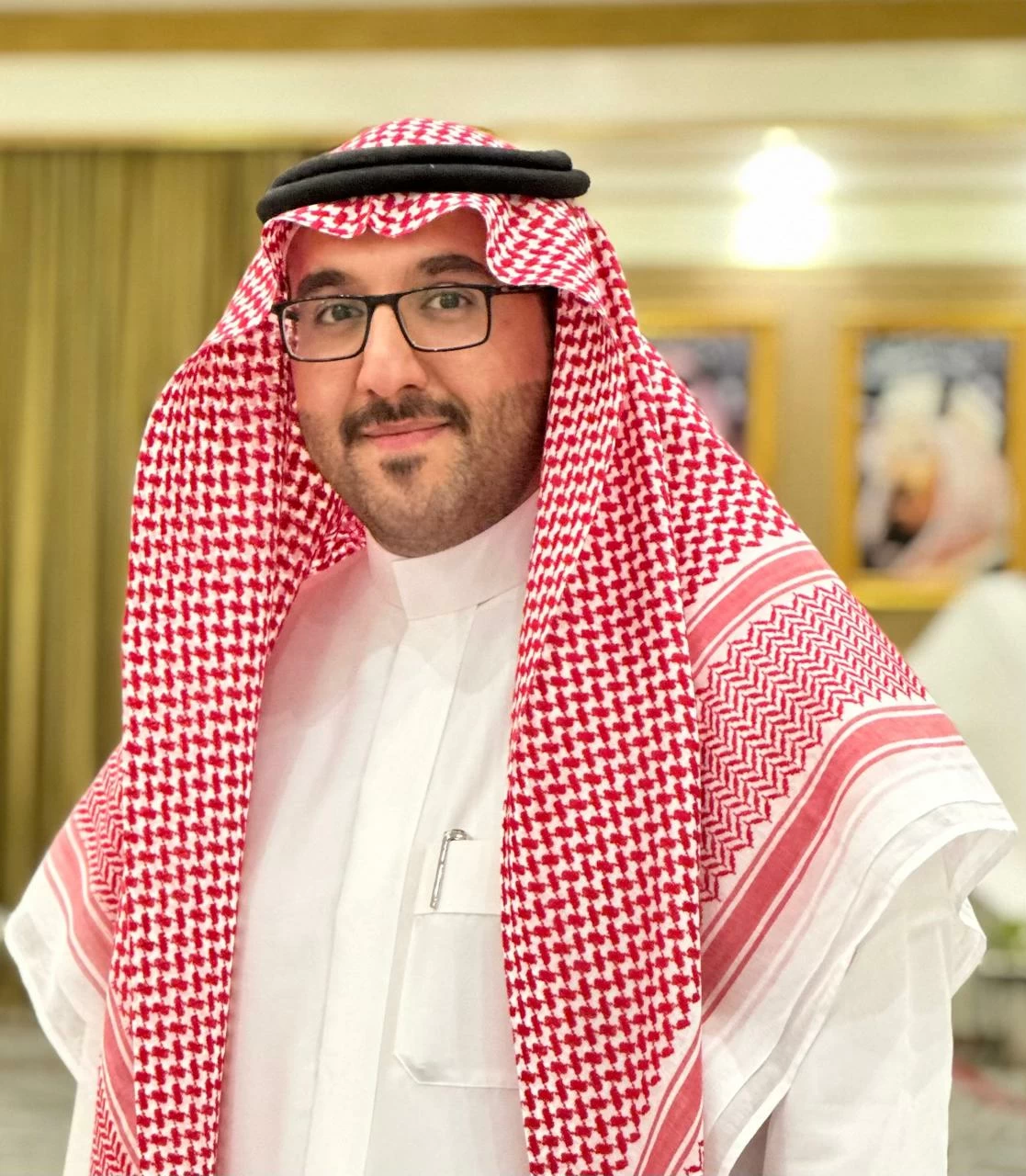
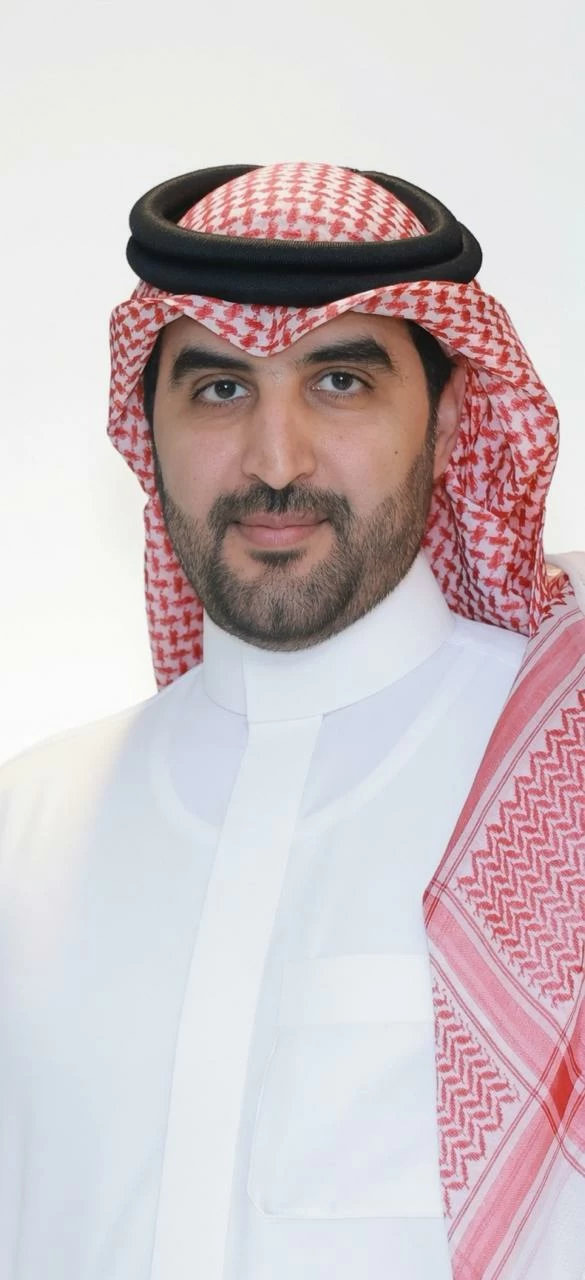
من لا يحب هذا الإنسان إذا عرفه. من لا يحب «موسى محرّق» الذي رحل فجأةً قبل يومين وهو في كامل صحته وألقه وحضوره وعطائه وأحلامه وتطلعاته وآماله. الشاعر الأديب المثقف والإعلامي والخطيب المفوه الذي لا يكتمل جمال المناسبات الكبرى إلا بلمساته إعداداً وتحضيراً، وبصوته الفخم تقديماً وتعليقاً. مارس الصحافة المقروءة فكان من فرسانها المتميزين، اشتغل في الإعلام المرئي فكانت إطلالته مختلفة بما يقدمه من محتوى رصين بلغة باذخة هو سيدها، أدار وشارك في منتديات ثقافية وإعلامية كبرى داخل الوطن وخارجه فكان فارس الكلمة وسيد المعنى، وبعد أن تفرّغ للعمل في جامعة جازان بعد إنشائها أصبح إحدى أيقوناتها البارزة الساطعة. لقد جعل من إدارة العلاقات العامة والإعلام فيها مصنعاً للأفكار المبدعة والرؤى الخلاقة والأفكار غير التقليدية، أصبحت أكثر إدارة بين مثيلاتها في الجامعات؛ حضوراً وتواصلاً ونشاطاً غير تقليدي. كان لا يرضى بغير الإبداع، وكان اسمه ملازماً لاسم الجامعة عندما يأتي ذكرها، كان يشعر أنها المحطة التي تستحق أن يمنحها كل ما يستطع بقية حياته، وكان كل ما يأتي حديث بيننا عن الجامعة يذكرني بوصف لها اتفقنا هو وأنا عليه: «جامعة حبنا».
أنا لا أرثي «موسى» لأنه لم ولن يموت بالنسبة لي، أنا أتحدث عنه فحسب، رغم الغُصة الحارقة المريرة. قبل أيام قريبة في جازان كنا، هو وأنا وعبده خال، نملأ المكان بضحكنا العالي وصخبنا المرتفع؛ في بهو الفندق، في المطعم، في السيارة، في كل مكان، موسى لديه قدرة خاصة على حياكة الطرفة وصنع المواقف التي تحلق بك في آفاق السعادة. وقبل أيام اتصل ليحدثني عن سفرته وكيف نرتب لقاءنا بعد عودته، وطبعاً حدثني عن ممشى الغروب والسير باتجاه السماء لينبش ذكريات عذبة وحميمة في أعماقي. ولكن قبل البارحة تأكد لنا أن موسى سيعود إلينا في تابوت، يا للوجع.
لن أتحدث عن علاقتي أنا وحدي بموسى رغم طولها وتفاصيلها الهائلة الجميلة كلها، لأن موسى كان مشروعاً إنسانياً للمحبة مع كل الناس، مع كل أصدقائه الكثر، مع الذين عرفوه وقتاً طويلاً أو قصيراً، موسى لم يكن يتقن شيئاً سوى المحبة للقيم النبيلة في تعامله مع الآخرين، كان في قمة التصالح مع نفسه ومع الحياة رغم كل ما يحدث فيها من منغصات. كان متسامياً ومترفعاً عن التذمر منها مهما حدث، لذلك كان قادراً على أن يحيا بابتسامته الجميلة إلى اللحظة الأخيرة.
ستبقى حياً نابضاً في قلوبنا يا موسى بكل جمالك. فكرة أنك غائب عنا لن تحدث لأننا لا نستطيع التعايش معها.


تابع قناة عكاظ على الواتساب
"Let us walk towards the sky." This is what he used to say to me as we walked before sunset along a path by the river in Washington, the American city that I love and that he used to visit, where he left this world during his last visit. I was enchanted by his poetic phrase, he being the delicate poet, and I began to repeat it whenever we walked anywhere. It never crossed my mind that he would one day unexpectedly head towards the sky alone and not return, in the same city.
After walking at sunset towards the sky, he would say, "Let us ignite the night with joy and happiness together," and so it was because he had an immense ability to turn every moment into laughter, fun, joy, and endless delight. When we met at our homes after returning, he would surprise me with amazing details, narrating them in his own special way, crafting some of them into sweet poems, laced with hints that only he and I understood.
Who wouldn’t love this man if they knew him? Who wouldn’t love "Musa Muharrq," who suddenly left us two days ago while in perfect health, radiance, presence, generosity, dreams, aspirations, and hopes? The poet, the cultured intellectual, the media figure, and the eloquent speaker whose touch in preparation and organization is what completes the beauty of major occasions, and whose magnificent voice adds to the presentation and commentary. He practiced print journalism and was one of its distinguished knights, worked in visual media with a unique presence, offering substantial content in a lavish language of which he was the master. He managed and participated in major cultural and media forums both inside and outside the country, becoming the knight of words and the master of meaning. After dedicating himself to work at Jazan University following its establishment, he became one of its prominent shining icons. He turned the management of public relations and media there into a factory for creative ideas, innovative visions, and unconventional thoughts, making it the most active and engaging department among its peers in universities.
He would not settle for anything less than creativity, and his name was inseparable from that of the university whenever it was mentioned. He felt it was the station worthy of all he could give for the rest of his life, and every time we talked about the university, it reminded me of a description we both agreed upon: "Our beloved university."
I do not mourn "Musa" because he has not and will not die for me; I am only speaking of him, despite the painful lump in my throat. Just a few days ago in Jazan, he, I, and Abdu Khal were filling the place with our loud laughter and high spirits; in the hotel lobby, in the restaurant, in the car, everywhere. Musa had a special ability to weave jokes and create situations that lift you into realms of happiness. A few days ago, he called to talk about his trip and how we would arrange our meeting after his return, and of course, he spoke to me about the sunset walk and heading towards the sky, digging up sweet and intimate memories deep within me. But the day before yesterday, it became clear to us that Musa would return to us in a coffin; oh, the pain.
I will not speak of my relationship with Musa alone, despite its length and all its beautiful, immense details, because Musa was a humanitarian project of love with everyone, with all his many friends, with those who knew him for a long time or a short time. Musa mastered nothing but love for noble values in his dealings with others. He was at peace with himself and with life despite all the annoyances it brings. He was transcendent and above complaining about it, no matter what happened, which is why he was able to live with his beautiful smile until the very last moment.
You will remain a vibrant presence in our hearts, oh Musa, with all your beauty. The idea that you are absent from us will not happen because we cannot coexist with it.
After walking at sunset towards the sky, he would say, "Let us ignite the night with joy and happiness together," and so it was because he had an immense ability to turn every moment into laughter, fun, joy, and endless delight. When we met at our homes after returning, he would surprise me with amazing details, narrating them in his own special way, crafting some of them into sweet poems, laced with hints that only he and I understood.
Who wouldn’t love this man if they knew him? Who wouldn’t love "Musa Muharrq," who suddenly left us two days ago while in perfect health, radiance, presence, generosity, dreams, aspirations, and hopes? The poet, the cultured intellectual, the media figure, and the eloquent speaker whose touch in preparation and organization is what completes the beauty of major occasions, and whose magnificent voice adds to the presentation and commentary. He practiced print journalism and was one of its distinguished knights, worked in visual media with a unique presence, offering substantial content in a lavish language of which he was the master. He managed and participated in major cultural and media forums both inside and outside the country, becoming the knight of words and the master of meaning. After dedicating himself to work at Jazan University following its establishment, he became one of its prominent shining icons. He turned the management of public relations and media there into a factory for creative ideas, innovative visions, and unconventional thoughts, making it the most active and engaging department among its peers in universities.
He would not settle for anything less than creativity, and his name was inseparable from that of the university whenever it was mentioned. He felt it was the station worthy of all he could give for the rest of his life, and every time we talked about the university, it reminded me of a description we both agreed upon: "Our beloved university."
I do not mourn "Musa" because he has not and will not die for me; I am only speaking of him, despite the painful lump in my throat. Just a few days ago in Jazan, he, I, and Abdu Khal were filling the place with our loud laughter and high spirits; in the hotel lobby, in the restaurant, in the car, everywhere. Musa had a special ability to weave jokes and create situations that lift you into realms of happiness. A few days ago, he called to talk about his trip and how we would arrange our meeting after his return, and of course, he spoke to me about the sunset walk and heading towards the sky, digging up sweet and intimate memories deep within me. But the day before yesterday, it became clear to us that Musa would return to us in a coffin; oh, the pain.
I will not speak of my relationship with Musa alone, despite its length and all its beautiful, immense details, because Musa was a humanitarian project of love with everyone, with all his many friends, with those who knew him for a long time or a short time. Musa mastered nothing but love for noble values in his dealings with others. He was at peace with himself and with life despite all the annoyances it brings. He was transcendent and above complaining about it, no matter what happened, which is why he was able to live with his beautiful smile until the very last moment.
You will remain a vibrant presence in our hearts, oh Musa, with all your beauty. The idea that you are absent from us will not happen because we cannot coexist with it.