ما لا ننتجه ربما لا نعرف تفاصيله، وما نعرف تفاصيله ليس بالضرورة أن نحسن التعاطي معه كوننا لسنا الذين أنتجناه؛ وليس كل منتج نافعاً، ولا كل صناعة خالية تماماً من الضرر، وضمان الفعل الضار، في كل الشرائع أمر مفروغ منه، بالنصوص وبالأعراف، وتارة يكون الضمان على المتسبّب، وتارةً على المُباشر، وتارةً عليهما معاً، وربما لم يرد الضمان على ما فيه ضرر أخلاقي إلا بالقوانين والأنظمة الحديثة.
ومن فروع قاعدة (لا ضرر ولا ضرار) إزالة الضرر القائم، ومحو أسبابه، وما تشريع الحدود إلا كونها زاجراً عن الوقوع في الآثام، كما أنّ في القصاص حياة، ويمكن القياس عليهما، في كل ما من شأنه إفساد أخلاق وسلوكيات البشر، فالفساد الأخلاقي إماتة للروح، وخطورة الرقمنة أنها لا تراعي خصوصية مجتمع، أو ديانته؛ أو ردات فعل أهله؛ ممن يستقبلون منتجات وصناعات رقمية، تضخها شركات على مدار العام والشهر والأسبوع واليوم، وهناك من يتفاءل بها، ويتفاعل معها دون استرابة، أو شكٍّ فيما وراءها من أجندات.
ومؤكد بالتجارب السابقة أن ما تقدمه شركات الآخرين لنا؛ ليس مجرد سلعة للبيع والتربّح، بل ثقافة وأيديولوجية تتسلل بيننا، وتشيع في أوساطنا، ومع الوقت تصبح مسلّمات، وعندما نريد مثلاً أن نتصور حال العالم عقب عشرين عاماً، علينا الرجوع إلى ما قبل عقدين من الزمن، للمقارنة بين ما كانت عليه الحياة من بدائية إلكترونياً، وما نحن فيه، ثم نقيس على ذلك، مع الأخذ في الحسبان التنافس المحموم على صناعات وتقنيات مستقبليّة لن تحرّم ولا تُجرّم إلا ما يضرّ بها.
وما يتم طرحه اليوم وغداً، عبر أحدث التطبيقات، مخيف أو مريب أو غير آمن، فالعالم الافتراضي مفتوح ومنفتح على الآخِر، وربما يؤثر في الأجيال، بتطبيقات تداعب مشاعرهم، ولا أستبعد تورّط بعضهم في الإلحاد، أو الانحلالات الأخلاقية والتزوير والانتحال والتحايل، ولن يغيب عن أذهان المتابع ما أحدثته الدراما الوافدة في أعوام مضت من أثر على الثقافة الاجتماعية.
ومما أراهُ موغلاً في التجاوزات من الذكاء الاصطناعي انتحال الأصوات، وتركيبها على فيديوهات شخصيات اعتبارية، يظهرون فيها بصورهم المعروفة، إلا أن الطرح لا ينسجم مع مواقفهم ولا مواقعهم، ولا قناعاتهم ومكانتهم السياسية والاجتماعية والدعوية، وتذاع عبر هذه الفبركة فتاوى، وتُمرر معلومات، وتُبثُّ شائعات، تشوّش القناعات، وتبلبل الفكر، وإنسان هذا الزمن غالباً لا يدقق، فيتلقى الرسائل ويشاهد المقاطع، وربما ظنّها حقائق، فتزعزع ثقته بمن كان يثق بهم.
ونحن في وطننا، نحتفظ بهويّة إسلامية معتدلة، وقِيَم نبيلة، ووحدة وطنيّة قلّ نظيرها، وربما لا نظير لها، ومن الخطورة التسليم والقبول بكافة معطيات الذكاء الاصطناعي، وإن عدّه البعض سيّد المرحلة، وأن منافعه أكثر من آثامه، لكن لا ندري عن الضرر الذي لحق ويلحق بشبان وفتيات يوقعهم في مخالفات ومخاطر تخدم مصالح وسياسات لا تعنيها الأديان ولا المبادئ ولا التعاليم السماوية، ولا نخفي الحاجة إلى التحصين والتقنين الفردي والمؤسسي للحدّ من البرامج الضارة؛ فبعض الدوّل الكبرى تجاهد في سبيل تفادي الوافد والوارد إليها من مسوّق يطمح لإذابة الهويّات في هويّة واحدة، وفي ذلك تعدٍ على حريات الشعوب والأمم، وحقّها في اختيار ما يصلح لها، وما تصلح به.
سلّمنا بأن العالم قرية أو غرفة كونية؛ إلا أن عقائدنا وأخلاقنا وأدبياتنا ليست هي ذاتها التي يؤمن بها كل من يدخل غرفتنا أو قريتنا بما يدفع من (أجهزة وشاتات وروبوتات) تسهم في اختراق القلوب قبل الجيوب، وفي ظل إطالة النظر بما تحبل به مراكز الأبحاث والدراسات والصناعات، نتطلّع أن يستحضر المُشرّعون الضمان في الفعل الضار، وإن كُنّا لا ندري من نقاضي عليه (الآلة أو مخترعها أو الدولة التي صدّرتها أو التاجر الذي استوردها؟).
بالطبع الذكاء الاصطناعي ليس معلومة، ولا منتجاً رقمياً، بل ثقافة وسلوك وبرمجة ذهنية لها أثر في كل تفاصيل حياتنا، و(نوبل) الذي اخترع الديناميت لم يقصد إشعال الحروب، ويرى نفسه داعية سلام، وبحكم أنه امتهن صناعة المتفجرات، اشتبهت الصحافة أخريات عمره في اسم متوفّى، ظنّته (نوبل) ولم يكن هو بل شقيقه، فاستعجلت النشر؛ وكتبت (وفاة تاجر الموت، الذي جمع ثروة طائلة باكتشافه طريقة أسرع لقتل أكبر عدد من الناس). وعندما قرأ نعيه وهو على قيد الحياة قلق على سمعته، وخاف من لعن الأجيال لسيرته، وتعبيراً عن ندمه قرر تخصيص 94% من ثروته (31 مليون كرونة سويدية) لاستثمارها، ومنح جوائز من عوائدها، للإنجازات التي تخدم الإنسانية في مجالات الطب، والفيزياء، والكيمياء، والآداب، والسلام.
يمكننا التعامل مع الذكاء الاصطناعي بسياسة قلب الطاولة؛ بأن يكون التحكم في الذكاء الاصطناعي بأيدينا، للتطوير والابتكار والاعتماد على النفس، ورفد عوامل الإنتاج، والاكتفاء من التعويل على غيرنا، وتوطين النسخ المحلية منه، ليغدو (منافع لا آثام) لا (إثمه أكبر من نفعه).
تلويحة: كان لتطبيق (فيس بوك) أثره في ما سُمّي (الربيع العربي) ببذره الحقد على الأوطان في نفوس بريئة.
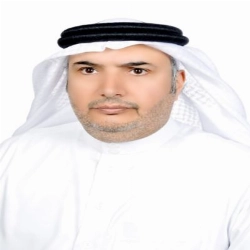
علي بن محمد الرباعي
الذكاء الاصطناعي وتاجر الموت
1 أغسطس 2025 - 00:09
|
آخر تحديث 1 أغسطس 2025 - 00:09


تابع قناة عكاظ على الواتساب
What we do not produce, we may not know its details, and what we know in detail is not necessarily something we can handle well since we are not the ones who produced it; not every product is beneficial, nor is every industry completely free of harm. The guarantee of harmful actions is a settled matter in all laws, both in texts and customs. Sometimes the guarantee is on the instigator, sometimes on the direct perpetrator, and sometimes on both together. Perhaps the guarantee for what contains moral harm has only been addressed by modern laws and regulations.
Among the branches of the principle (no harm and no harming) is the removal of existing harm and the eradication of its causes. The legislation of limits is merely a deterrent against falling into sins, as there is life in retribution. This can be analogized to everything that corrupts the morals and behaviors of humans. Moral corruption is a death of the spirit, and the danger of digitization is that it does not consider the privacy of a community, its religion, or the reactions of its people; those who receive digital products and industries pumped out by companies throughout the year, month, week, and day. Some may be optimistic about them and interact with them without suspicion or doubt regarding the agendas behind them.
It is confirmed by past experiences that what companies offer us is not merely a commodity for sale and profit, but a culture and ideology that infiltrates among us and spreads within our circles. Over time, it becomes accepted truths. For instance, when we want to imagine the state of the world twenty years from now, we must look back two decades to compare how life was in its electronic primitiveness to what we are in now, and then we measure that, taking into account the fierce competition for future industries and technologies, which will only prohibit or criminalize what harms them.
What is being presented today and tomorrow, through the latest applications, is frightening, suspicious, or unsafe. The virtual world is open and accessible to the other, and it may influence generations with applications that play with their emotions. I do not rule out that some may become involved in atheism, moral decay, forgery, impersonation, and deception. The impact that foreign dramas had in past years on social culture is not lost on the minds of observers.
What I see as deeply concerning regarding artificial intelligence is the impersonation of voices and their integration into videos of public figures, who appear in their known images, yet the content does not align with their positions, beliefs, or political, social, and advocacy status. Through this fabrication, fatwas are broadcast, information is passed, and rumors are spread, which confuse convictions and muddle thoughts. The person of this era often does not scrutinize, receiving messages and watching clips, perhaps believing them to be facts, thus shaking their trust in those they once trusted.
In our homeland, we maintain a moderate Islamic identity, noble values, and a national unity that is rare, perhaps unparalleled. It is dangerous to accept all the implications of artificial intelligence, even if some consider it the master of the era, claiming its benefits outweigh its harms. However, we do not know the damage that has been and continues to be inflicted on young men and women, leading them into violations and risks that serve interests and policies that have nothing to do with religions, principles, or divine teachings. We do not hide the need for individual and institutional fortification and regulation to limit harmful programs. Some major countries strive to avoid the influx of marketers aiming to dissolve identities into one identity, which is an infringement on the freedoms of peoples and nations and their right to choose what is suitable for them and what benefits them.
We have accepted that the world is a village or a cosmic room; however, our beliefs, morals, and literatures are not the same as those believed by everyone who enters our room or village, driven by (devices, chats, and robots) that contribute to penetrating hearts before pockets. In light of the prolonged scrutiny of what research centers and studies and industries produce, we hope that legislators will consider the guarantee in harmful actions, even if we do not know whom we should hold accountable (the machine, its inventor, the state that exported it, or the trader who imported it?).
Of course, artificial intelligence is not merely information or a digital product; it is a culture, behavior, and mental programming that affects every detail of our lives. Nobel, who invented dynamite, did not intend to ignite wars; he saw himself as a peace advocate. Because he practiced the manufacture of explosives, the press mistakenly associated his name with that of a deceased person, thinking it was (Nobel) when it was actually his brother. They rushed to publish and wrote, "The death of the merchant of death, who amassed a fortune by discovering a faster way to kill the largest number of people." When he read his obituary while still alive, he became concerned about his reputation and feared the generations would curse his legacy. As an expression of his regret, he decided to allocate 94% of his wealth (31 million Swedish kronor) to invest and grant prizes from its returns for achievements that serve humanity in the fields of medicine, physics, chemistry, literature, and peace.
We can approach artificial intelligence with a policy of turning the tables; that is, control over artificial intelligence should be in our hands, for development, innovation, and self-reliance, enhancing production factors, and becoming self-sufficient rather than relying on others, localizing its versions so that it becomes (beneficial without harm) rather than (its harm outweighing its benefit).
A wave: The application (Facebook) had its impact on what was called (the Arab Spring), sowing seeds of hatred for homelands in innocent souls.
Among the branches of the principle (no harm and no harming) is the removal of existing harm and the eradication of its causes. The legislation of limits is merely a deterrent against falling into sins, as there is life in retribution. This can be analogized to everything that corrupts the morals and behaviors of humans. Moral corruption is a death of the spirit, and the danger of digitization is that it does not consider the privacy of a community, its religion, or the reactions of its people; those who receive digital products and industries pumped out by companies throughout the year, month, week, and day. Some may be optimistic about them and interact with them without suspicion or doubt regarding the agendas behind them.
It is confirmed by past experiences that what companies offer us is not merely a commodity for sale and profit, but a culture and ideology that infiltrates among us and spreads within our circles. Over time, it becomes accepted truths. For instance, when we want to imagine the state of the world twenty years from now, we must look back two decades to compare how life was in its electronic primitiveness to what we are in now, and then we measure that, taking into account the fierce competition for future industries and technologies, which will only prohibit or criminalize what harms them.
What is being presented today and tomorrow, through the latest applications, is frightening, suspicious, or unsafe. The virtual world is open and accessible to the other, and it may influence generations with applications that play with their emotions. I do not rule out that some may become involved in atheism, moral decay, forgery, impersonation, and deception. The impact that foreign dramas had in past years on social culture is not lost on the minds of observers.
What I see as deeply concerning regarding artificial intelligence is the impersonation of voices and their integration into videos of public figures, who appear in their known images, yet the content does not align with their positions, beliefs, or political, social, and advocacy status. Through this fabrication, fatwas are broadcast, information is passed, and rumors are spread, which confuse convictions and muddle thoughts. The person of this era often does not scrutinize, receiving messages and watching clips, perhaps believing them to be facts, thus shaking their trust in those they once trusted.
In our homeland, we maintain a moderate Islamic identity, noble values, and a national unity that is rare, perhaps unparalleled. It is dangerous to accept all the implications of artificial intelligence, even if some consider it the master of the era, claiming its benefits outweigh its harms. However, we do not know the damage that has been and continues to be inflicted on young men and women, leading them into violations and risks that serve interests and policies that have nothing to do with religions, principles, or divine teachings. We do not hide the need for individual and institutional fortification and regulation to limit harmful programs. Some major countries strive to avoid the influx of marketers aiming to dissolve identities into one identity, which is an infringement on the freedoms of peoples and nations and their right to choose what is suitable for them and what benefits them.
We have accepted that the world is a village or a cosmic room; however, our beliefs, morals, and literatures are not the same as those believed by everyone who enters our room or village, driven by (devices, chats, and robots) that contribute to penetrating hearts before pockets. In light of the prolonged scrutiny of what research centers and studies and industries produce, we hope that legislators will consider the guarantee in harmful actions, even if we do not know whom we should hold accountable (the machine, its inventor, the state that exported it, or the trader who imported it?).
Of course, artificial intelligence is not merely information or a digital product; it is a culture, behavior, and mental programming that affects every detail of our lives. Nobel, who invented dynamite, did not intend to ignite wars; he saw himself as a peace advocate. Because he practiced the manufacture of explosives, the press mistakenly associated his name with that of a deceased person, thinking it was (Nobel) when it was actually his brother. They rushed to publish and wrote, "The death of the merchant of death, who amassed a fortune by discovering a faster way to kill the largest number of people." When he read his obituary while still alive, he became concerned about his reputation and feared the generations would curse his legacy. As an expression of his regret, he decided to allocate 94% of his wealth (31 million Swedish kronor) to invest and grant prizes from its returns for achievements that serve humanity in the fields of medicine, physics, chemistry, literature, and peace.
We can approach artificial intelligence with a policy of turning the tables; that is, control over artificial intelligence should be in our hands, for development, innovation, and self-reliance, enhancing production factors, and becoming self-sufficient rather than relying on others, localizing its versions so that it becomes (beneficial without harm) rather than (its harm outweighing its benefit).
A wave: The application (Facebook) had its impact on what was called (the Arab Spring), sowing seeds of hatred for homelands in innocent souls.