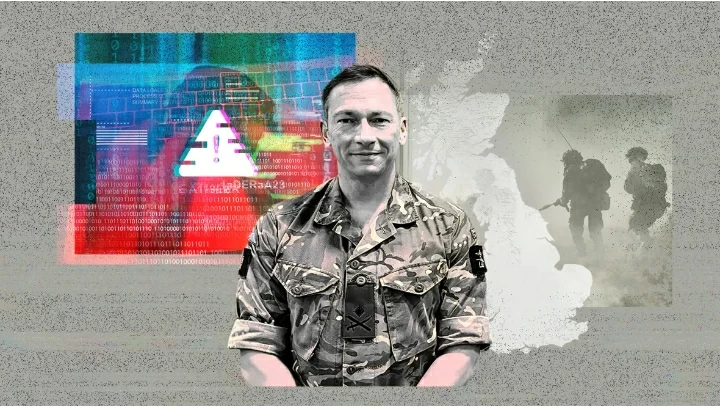
تتجه بريطانيا إلى توسيع عملياتها الهجومية في الفضاء الإلكتروني، عبر نشر قوة عسكرية سرية خارج حدودها لتعقب القراصنة وتعطيل الهجمات السيبرانية قبل وصولها إلى أهدافها، في تحرك يعكس تصاعد المخاوف من تحول الهجمات الرقمية إلى تهديد مباشر للأمن القومي والبنية التحتية الحيوية.
وقال مايك فايرز، قائد قوة الدفاع السيبراني والكهرومغناطيسي البريطانية، إن هذه الوحدة، التي تُعرف باسم «قوة الصيد» (Hunting Force)، تنفذ عمليات ميدانية خارج الأراضي البريطانية، بهدف تعقب الخصوم في المواقع التي يستعدون فيها لشن هجماتهم، قبل أن يتمكنوا من استهداف الأنظمة العسكرية البريطانية.
وأوضح فايرز، في مقابلة مع صحيفة «التايمز» البريطانية، أن القوة تنتشر فعليا في دول توافق على استضافتها، وتستطيع استهداف جهات معادية، سواء كانت دولا أو مجموعات إجرامية تنشط في مجال القرصنة الإلكترونية، مشيرا إلى أن وجود هذه الوحدة وعملياتها لم يُكشف عنهما سابقا.
ويعكس الكشف عن هذه القوة انتقال الاستراتيجية البريطانية من الاكتفاء برصد الهجمات الإلكترونية والتصدي لها بعد وقوعها، إلى محاولة الوصول إلى مصادر التهديد وتعطيل قدراتها مسبقا، بما يوسع نطاق المواجهة السيبرانية خارج الحدود التقليدية للدولة.
وجاء الكشف عن العمليات البريطانية في وقت تشهد فيه أوروبا تصاعدا في الهجمات التي تستهدف أنظمة التحكم الرقمية المرتبطة بمنشآت حيوية، بعدما تعرضت أنظمة التبريد في ثلاثة مواقع تابعة لمؤسسة الدم الفرنسية لهجوم إلكتروني حاول رفع درجات الحرارة إلى مستويات خطيرة، بما هدد مخزونات البلازما وعينات الدم.
وتمكنت أنظمة الإنذار والمراقبة من اكتشاف الاختراق، ما أتاح للعاملين التدخل ونقل المنتجات المخزنة إلى وحدات تبريد آمنة، قبل وقوع أي خسائر في منتجات الدم أو حدوث تأثير على الإمدادات الطبية، وفقا لما أعلنته السلطات الفرنسية.
ولم تقتصر الهجمات على المنشآت الطبية، إذ طالت أنظمة التبريد في متاجر وسلاسل تجارية بعدد من الدول الأوروبية، بينها فرنسا وبلجيكا وهولندا والسويد، حيث تمكن المهاجمون من تغيير إعدادات درجات الحرارة عن بعد، ما أدى إلى إتلاف كميات كبيرة من الأغذية ووقوع خسائر مالية بملايين اليورو.
وتكشف هذه الوقائع عن تحول في طبيعة المخاطر السيبرانية، إذ لم تعد الهجمات تستهدف سرقة البيانات أو تعطيل المواقع الإلكترونية فحسب، بل باتت قادرة على التأثير في أنظمة تشغيل مادية تتحكم في سلاسل الإمداد الغذائي والمنشآت الصحية والخدمات الأساسية، وهو ما يرفع مستوى التهديد من المجال الرقمي إلى الأمن المجتمعي والاقتصادي.
وحذر فايرز من أن التطور المتسارع للذكاء الاصطناعي يغير قواعد المواجهة السيبرانية، إذ بات استغلال الثغرات الأمنية يتم بوتيرة أسرع بكثير، بعدما كانت المؤسسات تمتلك عدة أيام لمعالجة نقاط الضعف، بينما تقلصت المهلة في بعض الحالات إلى دقائق معدودة.
وأكد أن مواجهة هذه التهديدات لم تعد مسؤولية وزارة الدفاع وحدها، بل تتطلب استعدادا على مستوى الدولة بأكملها، بما يشمل المؤسسات الحكومية والقطاع الخاص ومشغلي البنية التحتية الحيوية، معربا عن أمله في توسيع قدرات «قوة الصيد» خلال السنوات المقبلة.
وفي مؤشر على حجم التهديد الذي تواجهه المؤسسات العسكرية البريطانية، أعلنت وزارة الدفاع أن شبكاتها تعرضت لأكثر من 90 ألف محاولة هجوم إلكتروني خلال عامين، معظمها من مصادر مرتبطة بممثلين ناطقين بالروسية، وفقا لتصريحات رسمية سابقة، فيما تضاعفت وتيرة الهجمات مقارنة بالفترة السابقة.
كما حذر المركز الوطني للأمن السيبراني البريطاني من أن الجهات المعادية تستهدف بصورة متزايدة البنية التحتية الحيوية، مشيرا إلى أن نحو 75% من الهجمات السيبرانية التي أثرت على مؤسسات البنية التحتية الحيوية في المملكة المتحدة خلال عام ارتبطت بجهات حكومية معادية، بينها روسيا والصين وإيران.
The UK is moving to expand its offensive operations in cyberspace by deploying a secret military force outside its borders to track down hackers and disrupt cyberattacks before they reach their targets, in a move that reflects growing concerns about the transformation of digital attacks into a direct threat to national security and critical infrastructure.
Mike Fyers, the head of the UK’s Cyber and Electromagnetic Defense Force, stated that this unit, known as the "Hunting Force," conducts field operations outside British territory, aiming to track adversaries in the locations where they prepare to launch their attacks, before they can target British military systems.
Fyers explained in an interview with the British newspaper "The Times" that the force is actually deployed in countries that agree to host it and can target hostile entities, whether they are states or criminal groups active in the field of cyber piracy, noting that the existence of this unit and its operations had not been disclosed previously.
The revelation of this force reflects a shift in British strategy from merely monitoring cyberattacks and responding to them after they occur, to attempting to reach the sources of the threat and disrupt their capabilities in advance, thereby expanding the scope of cyber confrontation beyond the traditional borders of the state.
The disclosure of British operations comes at a time when Europe is witnessing an increase in attacks targeting digital control systems linked to critical facilities, after the cooling systems at three sites belonging to the French Blood Establishment were subjected to a cyberattack that attempted to raise temperatures to dangerous levels, threatening plasma supplies and blood samples.
Alert and monitoring systems were able to detect the breach, allowing staff to intervene and transfer the stored products to secure cooling units before any losses in blood products occurred or any impact on medical supplies, according to French authorities.
The attacks were not limited to medical facilities; they also targeted cooling systems in stores and commercial chains in several European countries, including France, Belgium, the Netherlands, and Sweden, where attackers were able to remotely change temperature settings, leading to the spoilage of large quantities of food and financial losses amounting to millions of euros.
These incidents reveal a shift in the nature of cyber risks, as attacks are no longer limited to stealing data or disrupting websites, but are now capable of affecting physical operating systems that control food supply chains, health facilities, and essential services, raising the level of threat from the digital realm to societal and economic security.
Fyers warned that the rapid evolution of artificial intelligence is changing the rules of cyber confrontation, as the exploitation of security vulnerabilities is occurring at a much faster pace, with institutions previously having several days to address weaknesses, while in some cases the timeframe has shrunk to just a few minutes.
He emphasized that addressing these threats is no longer solely the responsibility of the Ministry of Defense, but requires readiness at the level of the entire state, including government institutions, the private sector, and operators of critical infrastructure, expressing hope to expand the capabilities of the "Hunting Force" in the coming years.
In an indication of the scale of the threat facing British military institutions, the Ministry of Defense announced that its networks had been subjected to more than 90,000 attempted cyberattacks over two years, most of which were from sources linked to Russian-speaking representatives, according to previous official statements, while the pace of attacks has doubled compared to the previous period.
The UK’s National Cyber Security Centre also warned that hostile entities are increasingly targeting critical infrastructure, noting that about 75% of cyberattacks that affected critical infrastructure institutions in the UK over a year were linked to hostile government entities, including Russia, China, and Iran.