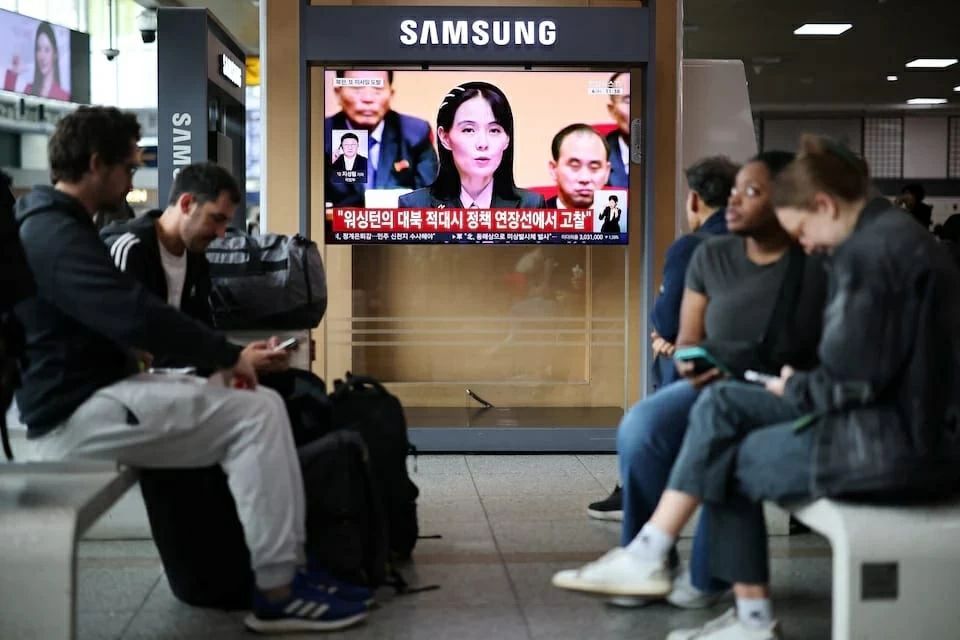
تمنح كوريا الشمالية قراصنتها الإلكترونيين المميزين مكافآت مالية ضخمة وامتيازات استثنائية، تصل إلى توفير شقق سكنية واسعة في العاصمة بيونغ يانغ، مقابل تنفيذ عمليات اختراق إلكتروني تستهدف مؤسسات وشركات حول العالم، من بينها سرقة العملات المشفرة التي تُقدر عائداتها بنحو 6.3 مليار دولار في واحدة من أكبر عمليات القرصنة المالية. وبحسب تحقيق لوكالة «رويترز»، نجح الزعيم الكوري الشمالي كيم جونغ أون في بناء منظومة متخصصة لإعداد قراصنة إلكترونيين على مستوى عالمي، عبر برنامج يمتد لأكثر من عقد، ويستهدف انتقاء الأطفال الأكثر تفوقاً في الرياضيات وعلوم الحاسوب منذ المرحلة المتوسطة، ثم إخضاعهم لمسار تعليمي وتدريبي ينتهي بانضمام نخبة منهم إلى الوحدات الإلكترونية التابعة للجيش.
وتشير شهادات منشقين ومحللين إلى أن بيونغ يانغ تختار سنوياً نحو 150 إلى 200 طالب تتراوح أعمارهم بين 11 و12 عاماً، لدراسة علوم الحاسوب، قبل إخضاع المتفوقين منهم لمراحل إضافية من الانتقاء والتأهيل. وقال كيم هيونغ كوانغ، وهو منشق كوري شمالي سبق أن درّب قراصنة لصالح الدولة قبل فراره إلى كوريا الجنوبية عام 2004، إن هؤلاء يمثلون أحد «الأسلحة السرية» للزعيم كيم جونغ أون، مضيفاً أن النظام لا يترك اختيار هذا المسار للطلاب، بل يركز على انتقاء الأذكى وتحويلهم إلى عناصر متخصصة في العمليات الإلكترونية.
من مقاعد الدراسة إلى وحدات القرصنة العسكرية
تعود جذور البرنامج إلى عام 1998، عندما أنشأت كوريا الشمالية وحدة متخصصة في المجال الإلكتروني، إلا أن مكانتها ارتفعت بصورة كبيرة بعد وصول كيم جونغ أون إلى السلطة.
وفي عام 2013، وصف الزعيم الكوري الشمالي الحرب الإلكترونية بأنها «سيف شامل»، إلى جانب الأسلحة النووية والصواريخ، معتبراً إياها عنصراً أساسياً في قدرات البلاد الهجومية.
وبحسب شهادات المنشقين، ينتقل الطلاب المتفوقون، عند بلوغهم 17 عاماً، إلى أفضل الجامعات في البلاد، حيث يخضعون لاختبارات وانتقاء إضافي، قبل أن ينضم عدد محدود منهم إلى الوحدة الإلكترونية العسكرية.
ويتلقى هؤلاء تدريبات متقدمة في بروتوكولات العملات المشفرة والهندسة العكسية للأجهزة الأجنبية، إلى جانب الرياضيات المتقدمة واللغات الأجنبية، بما يؤهلهم للتعامل مع أنظمة وشبكات رقمية معقدة.
أما الطلاب الذين لا يجري اختيارهم للعمل في وحدات القرصنة، فيتجه بعضهم إلى تطوير البرمجيات والتطبيقات لصالح شركات غربية من خلال وظائف عن بُعد.
وقال ليم جونغ إن، الأستاذ الفخري بكلية الأمن السيبراني في جامعة كوريا، إن بيونغ يانغ توجه أفضل مواهبها نحو البرامج النووية والإلكترونية، بينما قد يتجه الطلاب المتفوقون في كوريا الجنوبية إلى الطب أو غيره من المهن المرموقة.
شقق فاخرة ومكافآت تصل إلى 30% من عائدات الاختراق
ولا تقتصر الحوافز التي تقدمها السلطات على التعليم والتدريب، بل تمتد إلى امتيازات مالية واجتماعية كبيرة، إذ يمكن أن تحصل الوحدات العسكرية المسؤولة عن عمليات الاختراق الناجحة على ما يصل إلى 30% من عائدات السرقة بالدولار الأمريكي، وفقاً لشهادة المنشق كيم.
وأشار إلى أن بعض القراصنة الناجحين قد يحصلون على شقق سكنية في بيونغ يانغ، يمكن أن تصل مساحتها إلى نحو 132 متراً مربعاً، مع السماح لوالديهم بالإقامة معهم.
وأكد ليم جونغ إن وجود روايات عن منح العاملين المميزين في المجال الإلكتروني شققاً بالعاصمة، فيما قال أحد المنشقين إن المتفوقين قد يحصلون أيضاً على عضوية الحزب الحاكم، وفرص للزواج من عائلات تنتمي إلى النخبة السياسية والاجتماعية.
ومن بين الامتيازات الأخرى السماح لبعضهم بالسفر إلى دول حليفة، مثل الصين، حيث تتاح لهم إمكانية الوصول إلى الإنترنت بحرية أكبر مقارنة بالقيود المفروضة داخل كوريا الشمالية.
ورغم هذه الحوافز، فإن عدد المستفيدين من البرنامج يظل محدوداً مقارنة بحجم العاملين في المجال، إذ قدّرت وكالة الاستخبارات الوطنية في كوريا الجنوبية، عام 2024، أن العمليات الإلكترونية لكوريا الشمالية تضم نحو 8400 شخص.
ولا تحتفي وسائل الإعلام الرسمية في بيونغ يانغ علناً بإنجازات القراصنة، لكنها تسلط الضوء بصورة متكررة على الطلاب الذين يحققون تفوقاً في البرمجة وعلوم الحاسوب. وفي عام 2015، افتتحت السلطات شارع «ميرا للعلماء» في العاصمة، وهو مشروع قالت وسائل الإعلام الرسمية إن كيم جونغ أون تابع أعمال إنشائه عن كثب.
وبحسب أحد المنشقين، يُشار إلى القراصنة في التسميات الرسمية داخل البلاد بوصفهم «علماء» أو «باحثين»، بدلاً من وصفهم بالمتخصصين في الاختراق الإلكتروني.
سرقة العملات المشفرة.. من مواقع القمار إلى أكبر عمليات القرصنة
وتقول التحقيقات إن عمليات القرصنة الكورية الشمالية تطورت بصورة كبيرة خلال السنوات الماضية؛ فبعد أن كانت بعض الأنشطة تركز على تشغيل مواقع قمار غير قانونية، انتقلت المجموعات المرتبطة ببيونغ يانغ إلى تنفيذ عمليات اختراق تستهدف مؤسسات مالية ومنصات للعملات المشفرة.
ومن أبرز هذه المجموعات «لازاروس» المعروفة أيضاً باسم «APT38»، التي اتهمتها الولايات المتحدة عام 2022 بسرقة مئات الملايين من الدولارات من العملات المشفرة عبر اختراق شبكة «رونين».
كما ربط مكتب التحقيقات الفيدرالي الأمريكي «FBI» مجموعة «TraderTraitor» بمجموعة «لازاروس»، واتهمت واشنطن والمنصة المعنية كوريا الشمالية بالمسؤولية عن اختراق «باينانس» الذي بلغت قيمة الأصول المسروقة فيه نحو 6.3 مليار دولار، بينما تنفي بيونغ يانغ هذه الاتهامات، وتصفها في العادة بأنها استفزازات سياسية مفبركة.
ويرى محللون أن ارتباط القراصنة بمؤسسات الدولة يمنحهم قدرة أكبر على مواصلة عملياتهم، حتى بعد فشل بعض المحاولات، إذ لا يواجهون العواقب القانونية ذاتها التي قد تتعرض لها مجموعات القرصنة الإجرامية الأخرى.
وقال أليك زيبريك، المسؤول البارز في شركة «Chainalysis»، إن القراصنة الذين يعملون لصالح كوريا الشمالية يواصلون تنفيذ العمليات حتى بعد الإخفاقات، لأن المجتمع الدولي يواجه صعوبة في اتخاذ إجراءات مباشرة ضدهم.
وأضاف أن هذه المجموعات تتجه بصورة متزايدة إلى ما يُعرف باستهداف «الفرائس الكبيرة»، أي المؤسسات الضخمة التي تحتفظ بأصول مالية كبيرة، رغم أن اختراقها أكثر صعوبة، مشيراً إلى أن عائدات عملية «باينانس» توضح مدى جاذبية هذه الأهداف بالنسبة إليهم.
الذكاء الاصطناعي يدخل ترسانة القراصنة
ولا تعتمد عمليات كوريا الشمالية الإلكترونية على المهارات التقليدية وحدها، إذ تشير شهادات أشخاص تعاملوا مع عمال تكنولوجيا المعلومات الكوريين الشماليين إلى استخدام واسع لأدوات الذكاء الاصطناعي في تطوير البرمجيات وتعديل السير الذاتية وإنشاء هويات ووثائق مزيفة.
وقال صانع المحتوى المعروف باسم «Deeveeaar»، الذي ادعى اختراق كاميرات كانت تراقب عمال تكنولوجيا معلومات كوريين شماليين أثناء عملهم، إن استخدامهم للذكاء الاصطناعي يتجاوز مجرد الاستعانة به في بعض المهام، واصفاً إياه بأنه «العمود الفقري» لعملياتهم.
وأضاف أنهم يستخدمون أدوات مثل حسابات «ChatGPT» المدفوعة و«Claude Code» و«Cursor» لكتابة الأكواد وتعديل السير الذاتية وإعداد مستندات وهويات مزيفة.
ووفقاً لشركة «باينانس»، استخدم القراصنة مقابلة توظيف وهمية وبرمجيات خبيثة مخفية داخل إعلان لاختراق أجهزة بعض الموظفين، قبل الاستعانة بأداة داخلية للذكاء الاصطناعي للسيطرة على الأنظمة.
وفي عام 2025، أفاد فريق لمراقبة العقوبات يضم ممثلين عن 11 دولة عضواً في الأمم المتحدة بأن مجموعة «TraderTraitor» حصلت على حسابات في تطبيقي «ChatGPT» و«DeepSeek».
ظروف عمل قاسية رغم المكافآت
ورغم الامتيازات التي قد يحصل عليها القراصنة والعاملون في قطاع التكنولوجيا، فإن حياتهم المهنية تخضع لقيود وضغوط شديدة، بحسب شهادات عاملين سابقين ومنظمات حقوقية.
وتشمل ظروف العمل الإقامة في أماكن ضيقة، والعمل لأكثر من 10 ساعات يومياً في كثير من الأحيان، إلى جانب المراقبة المستمرة والالتزام بأهداف مالية محددة، خصوصاً عندما يُكلف العاملون بمهام داخل البلاد أو يُرسلون إلى الخارج.
ونقلت منظمة «PSCORE» الحقوقية، في تقرير صدر العام الماضي، شهادات لعمال سابقين تحدثوا عن الضغوط اليومية التي يتعرضون لها، فيما قال نام بادا، المدير التنفيذي للمنظمة، إن العاملين يواجهون ضغطاً دائماً لتحقيق الإيرادات المطلوبة، وإن الإجهاد النفسي الشديد يؤدي إلى مشكلات صحية لم تكن موجودة لديهم من قبل.
وأضاف أن العاملين في قطاع تكنولوجيا المعلومات يُلزمون بتحقيق أهداف مالية شهرية محددة بالدولار، وقد يتعرضون للإذلال أو لعقوبات أخرى في حال الإخفاق في تحقيقها.
وبينما توفر السلطات مكافآت كبيرة للنخبة التي تنجح في تنفيذ عمليات اختراق ضخمة، تشير هذه الشهادات إلى أن تلك الامتيازات تأتي ضمن منظومة عمل صارمة، تفرض رقابة مستمرة وضغوطاً متواصلة على العاملين.
ويرى محللون أن نجاح العمليات الإلكترونية الكبرى قد يدفع القيادة الكورية الشمالية إلى زيادة طموحاتها في هذا المجال، وتوسيع نطاق استهداف المؤسسات المالية والتكنولوجية الكبرى، مستفيدة من العائدات الضخمة التي يمكن أن تحققها عمليات القرصنة الناجحة.
North Korea offers its distinguished cyber pirates huge financial rewards and exceptional privileges, including the provision of spacious apartments in the capital Pyongyang, in exchange for carrying out hacking operations targeting institutions and companies around the world, including the theft of cryptocurrencies, which are estimated to yield around $6.3 billion in one of the largest financial hacking operations. According to an investigation by Reuters, North Korean leader Kim Jong Un has succeeded in building a specialized system for training world-class hackers through a program that has lasted for more than a decade, targeting the selection of the most outstanding children in mathematics and computer science from middle school, and then subjecting them to an educational and training path that ends with the joining of a select few to the electronic units of the army.
Testimonies from defectors and analysts indicate that Pyongyang selects about 150 to 200 students annually, aged between 11 and 12, to study computer science, before subjecting the top performers to additional selection and qualification stages. Kim Hyung Kwang, a North Korean defector who previously trained hackers for the state before fleeing to South Korea in 2004, stated that these individuals represent one of Kim Jong Un's "secret weapons," adding that the regime does not leave the choice of this path to the students but focuses on selecting the smartest and transforming them into specialized elements in electronic operations.
From Classrooms to Military Hacking Units
The roots of the program date back to 1998 when North Korea established a specialized unit in the electronic field, but its status rose significantly after Kim Jong Un came to power.
In 2013, the North Korean leader described cyber warfare as a "comprehensive sword," alongside nuclear weapons and missiles, considering it a key element in the country's offensive capabilities.
According to testimonies from defectors, top-performing students, upon reaching the age of 17, move to the best universities in the country, where they undergo additional testing and selection before a limited number of them join the military electronic unit.
These students receive advanced training in cryptocurrency protocols and reverse engineering of foreign devices, along with advanced mathematics and foreign languages, qualifying them to handle complex digital systems and networks.
As for the students who are not selected to work in hacking units, some of them turn to developing software and applications for Western companies through remote jobs.
Lim Jong In, an honorary professor at the Cybersecurity College at Korea University, stated that Pyongyang directs its best talents towards nuclear and electronic programs, while top-performing students in South Korea may pursue medicine or other prestigious professions.
Luxury Apartments and Rewards Up to 30% of Hacking Revenues
The incentives provided by the authorities are not limited to education and training but extend to significant financial and social privileges, as military units responsible for successful hacking operations can receive up to 30% of the stolen revenues in US dollars, according to defector Kim's testimony.
He noted that some successful hackers may receive apartments in Pyongyang, which can be as large as about 132 square meters, with their parents allowed to live with them.
Lim Jong In confirmed the existence of accounts of distinguished electronic workers being granted apartments in the capital, while one defector stated that top performers may also receive membership in the ruling party and opportunities to marry families belonging to the political and social elite.
Among other privileges is the allowance for some to travel to allied countries, such as China, where they have greater access to the internet compared to the restrictions imposed within North Korea.
Despite these incentives, the number of beneficiaries from the program remains limited compared to the size of the workforce in the field, as South Korea's National Intelligence Service estimated in 2024 that North Korea's electronic operations comprise about 8,400 people.
Official media in Pyongyang do not publicly celebrate the achievements of hackers, but they frequently highlight students who excel in programming and computer science. In 2015, the authorities opened "Mira Street for Scientists" in the capital, a project that official media reported Kim Jong Un closely monitored during its construction.
According to one defector, hackers are referred to in official designations within the country as "scientists" or "researchers," rather than being described as specialists in electronic hacking.
Theft of Cryptocurrencies: From Gambling Sites to Major Hacking Operations
Investigations indicate that North Korean hacking operations have significantly evolved over the past years; after some activities focused on running illegal gambling sites, groups linked to Pyongyang have shifted to executing hacks targeting financial institutions and cryptocurrency platforms.
One of the most prominent of these groups is "Lazarus," also known as "APT38," which the United States accused in 2022 of stealing hundreds of millions of dollars in cryptocurrencies by hacking the "Ronin" network.
The FBI also linked the "TraderTraitor" group to "Lazarus," and Washington and the concerned platform accused North Korea of being responsible for the hack of "Binance," which involved stolen assets valued at around $6.3 billion, while Pyongyang denies these accusations, often describing them as fabricated political provocations.
Analysts believe that the connection of hackers to state institutions gives them a greater ability to continue their operations, even after some attempts fail, as they do not face the same legal consequences that other criminal hacking groups might encounter.
Alec Zubrick, a senior official at "Chainalysis," stated that hackers working for North Korea continue to carry out operations even after failures because the international community finds it difficult to take direct action against them.
He added that these groups are increasingly targeting what is known as "big game," meaning large institutions that hold significant financial assets, even though hacking them is more challenging, pointing out that the revenues from the "Binance" operation illustrate how attractive these targets are for them.
Artificial Intelligence Enters the Hackers' Arsenal
North Korea's electronic operations do not rely solely on traditional skills, as testimonies from individuals who have interacted with North Korean IT workers indicate a wide use of artificial intelligence tools in software development, CV modification, and the creation of fake identities and documents.
A content creator known as "Deeveeaar," who claimed to have hacked cameras monitoring North Korean IT workers while they were working, stated that their use of artificial intelligence goes beyond merely employing it for some tasks, describing it as the "backbone" of their operations.
He added that they use tools such as paid "ChatGPT" accounts, "Claude Code," and "Cursor" to write code, modify CVs, and prepare fake documents and identities.
According to "Binance," the hackers used a fake job interview and malware hidden within an advertisement to hack into some employees' devices, before employing an internal AI tool to take control of the systems.
In 2025, a sanctions monitoring team comprising representatives from 11 UN member states reported that the "TraderTraitor" group had obtained accounts in the "ChatGPT" and "DeepSeek" applications.
Harsh Working Conditions Despite Rewards
Despite the privileges that hackers and tech workers may receive, their professional lives are subject to severe restrictions and pressures, according to testimonies from former workers and human rights organizations.
Working conditions include living in cramped quarters, often working more than 10 hours a day, along with constant surveillance and adherence to specific financial targets, especially when workers are assigned tasks within the country or sent abroad.
The "PSCORE" human rights organization reported in a report released last year testimonies from former workers who spoke about the daily pressures they face, while Nam Bada, the organization's executive director, stated that workers face constant pressure to achieve the required revenues, and that severe psychological stress leads to health problems that were not previously present.
He added that IT workers are required to meet specific monthly financial targets in dollars and may face humiliation or other penalties if they fail to achieve them.
While the authorities provide substantial rewards to the elite who succeed in carrying out massive hacking operations, these testimonies indicate that such privileges come within a strict work system that imposes continuous oversight and ongoing pressures on workers.
Analysts believe that the success of major electronic operations may push the North Korean leadership to increase its ambitions in this field and expand the scope of targeting major financial and technological institutions, benefiting from the enormous revenues that successful hacking operations can generate.