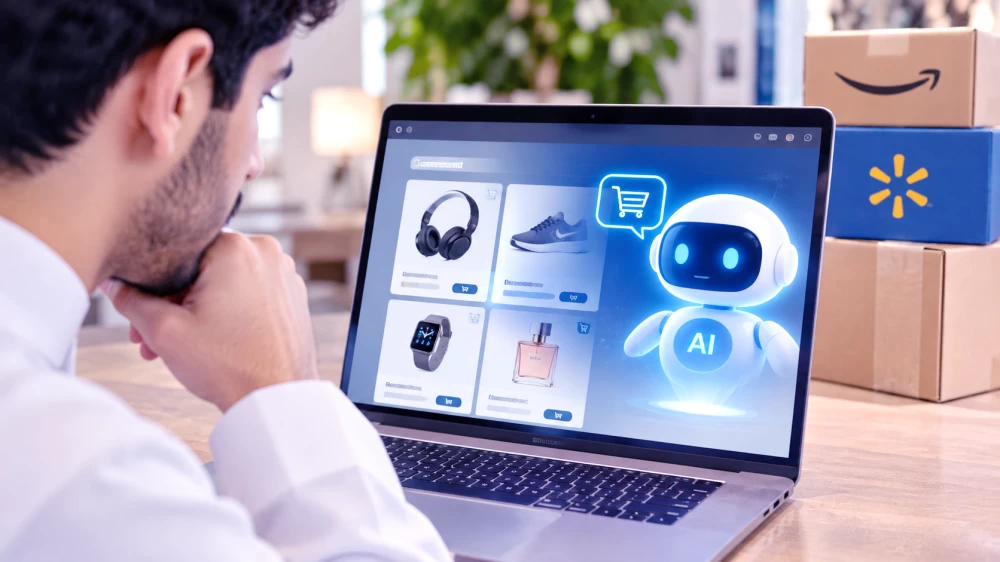
تواجه سوق الإعلانات الرقمية في قطاع التجزئة الأمريكي، المقدّرة بنحو 74.4 مليار دولار، تحوّلاً محتملاً مع تصاعد الاعتماد على وكلاء الذكاء الاصطناعي القادرين على البحث عن المنتجات ومقارنتها وإتمام عمليات الشراء نيابةً عن المستهلكين، ما يضع النموذج التقليدي للإعلانات التجارية أمام تحديات جديدة.
وتبرز شركتا «أمازون» و«وولمارت» في قلب هذا التحوّل، إذ تستحوذان معاً على نحو 88% من سوق إعلانات التجزئة الأمريكية، التي تعتمد على ظهور المنتجات المدفوعة داخل نتائج البحث وصفحات التسوق الإلكتروني. ويثير انتشار وكلاء التسوق الأذكياء تساؤلات بشأن مستقبل هذه الإعلانات، خصوصاً إذا انتقل المستهلك من تصفح المنتجات ومشاهدة العروض الترويجية إلى تفويض مساعد رقمي باختيار السلعة الأنسب وتنفيذ عملية الشراء.
وقد يؤدي هذا التحوّل إلى تقليص فرص ظهور الإعلانات أمام المستخدمين، ويدفع المنصات التجارية إلى إعادة النظر في آليات استهداف المستهلكين وتحقيق الإيرادات الإعلانية.
وتتجاوز تداعيات التطور حدود التسوق الإلكتروني إلى صناعة الإعلان الرقمي، التي قد تواجه مرحلة جديدة تتغيّر فيها العلاقة بين المعلن والمنصة والمستهلك، مع انتقال قرارات الشراء تدريجياً من التصفح البشري إلى الاختيار المدعوم بالذكاء الاصطناعي.
The digital advertising market in the American retail sector, estimated at around $74.4 billion, is facing a potential transformation as the reliance on AI agents capable of searching for products, comparing them, and completing purchases on behalf of consumers rises, placing the traditional model of commercial advertising in front of new challenges.
Companies like "Amazon" and "Walmart" are at the heart of this transformation, as they together account for about 88% of the U.S. retail advertising market, which relies on the appearance of paid products within search results and e-commerce pages. The spread of smart shopping agents raises questions about the future of these advertisements, especially if consumers move from browsing products and viewing promotional offers to delegating a digital assistant to choose the most suitable item and execute the purchase.
This transformation could lead to a reduction in the opportunities for advertisements to appear before users, pushing commercial platforms to reconsider their mechanisms for targeting consumers and generating advertising revenue.
The implications of this evolution extend beyond e-commerce to the digital advertising industry, which may face a new phase where the relationship between the advertiser, the platform, and the consumer changes, as purchasing decisions gradually shift from human browsing to AI-supported selection.