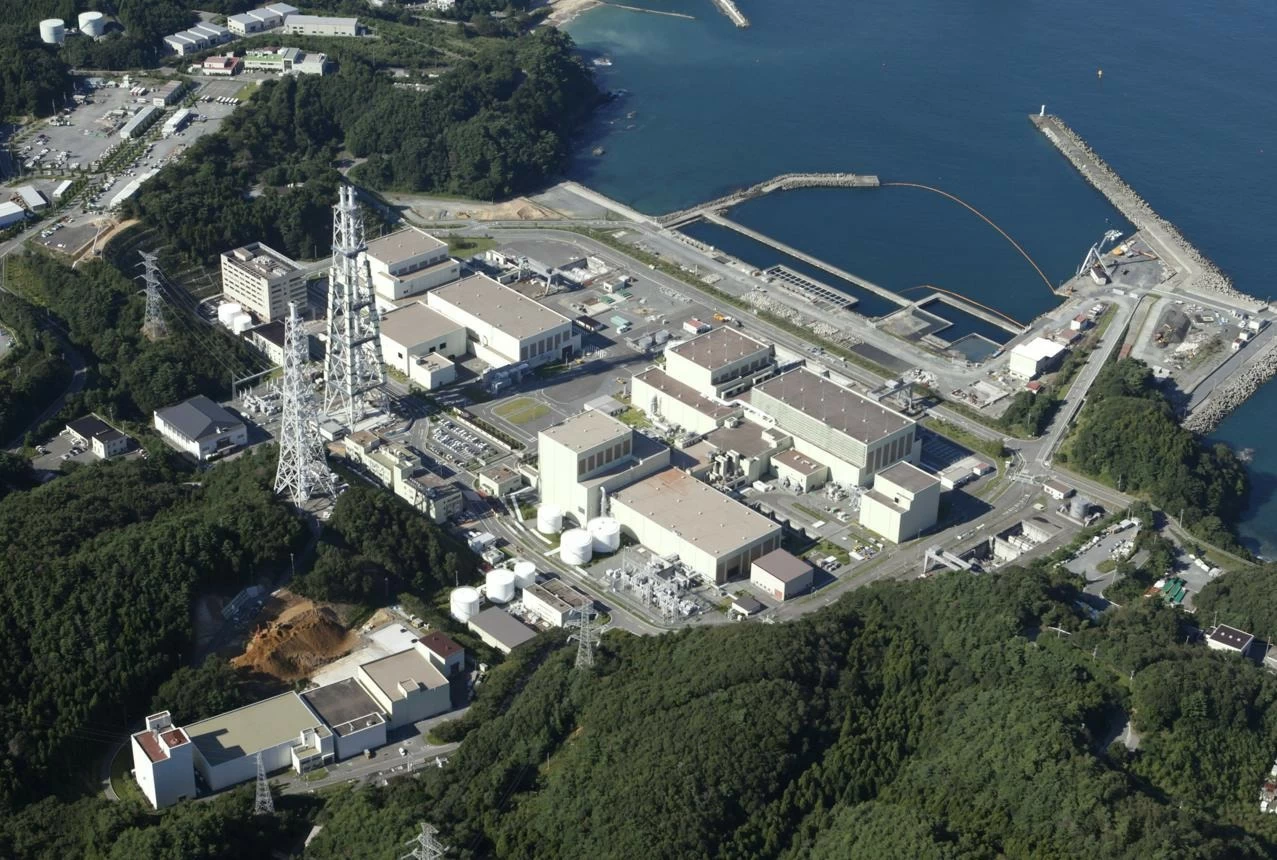
أوقفت شركة «توهوكو للطاقة الكهربائية» اليابانية، اليوم (السبت)، توليد الكهرباء من المفاعل رقم 2 في محطة «أوناغاوا» النووية بمحافظة مياجي شمال شرقي اليابان، لتنفيذ فحص فني واستبدال أجزاء في أحد الصمامات، بعد رصد تسرب محدود للمياه يحتوي على كمية ضئيلة من المواد المشعة.
وأكدت الشركة أن المياه المتسربة جرى جمعها داخل منشآت المحطة والتعامل معها وفق الإجراءات المعتمدة، مشددة على عدم رصد أي تأثير إشعاعي غير طبيعي خارج المحطة أو في البيئة المحيطة بها.
توقف مخطط للمفاعل
وأوضحت الشركة أن وقف المفاعل تم بصورة مخططة، بعد متابعة التسرب واتخاذ قرار بإيقاف التشغيل لإتاحة فحص الصمام المتصل بأحد أنظمة تسخين مياه التغذية، وتحديد سبب المشكلة وإجراء أعمال الصيانة اللازمة.
وأكدت بيانات التشغيل الرسمية لمحطة «أوناغاوا» توقف المفاعل رقم 2 عن توليد الكهرباء في 17 أكتوبر، وفق الخطة المحددة لإجراء أعمال الفحص.
تسرب بنحو 0.2 طن في الساعة
وكانت الشركة قد رصدت في الأول من سبتمبر تسرباً للمياه من صمام داخل مبنى التوربينات، قبل أن تستمر في مراقبة الوضع لمعرفة حجم التسرب ومصدره.
وقدرت كمية المياه المتسربة بنحو 0.2 طن في الساعة، فيما أظهرت الفحوص احتواءها على كمية محدودة من المواد المشعة.
وأفادت الشركة بأن المياه لم تتسرب إلى خارج المنشأة، إذ جرى تجميعها في حوض مخصص للصرف داخل المحطة ومعالجتها بالطريقة المعتمدة، مؤكدة عدم وجود تأثير على البيئة الخارجية.
فحص الصمام واستبدال الأجزاء
ومن المقرر أن تفكك فرق الصيانة الصمام المعني لفحصه وتحديد موضع التسرب وأسبابه، إلى جانب استبدال الأجزاء التي تحتاج إلى تغيير قبل إعادة تشغيل المفاعل.
وتتوقع الشركة أن تستغرق أعمال الفحص والإصلاح والاستعداد لإعادة التشغيل نحو 10 أيام، على أن يعود المفاعل إلى العمل بعد التأكد من سلامة المعدات واستكمال الإجراءات الفنية المطلوبة.
لا مستويات إشعاع غير طبيعية
وأكدت شركة «توهوكو للطاقة الكهربائية» أن أنظمة المراقبة الإشعاعية المحيطة بالمحطة لم تسجل مستويات غير طبيعية نتيجة التسرب، مشيرة إلى أن الواقعة بقيت محصورة داخل المنشأة.
وتخضع المحطات النووية اليابانية لمعايير سلامة ورقابة أكثر تشدداً منذ كارثة «فوكوشيما» عام 2011، التي أعقبت الزلزال والتسونامي المدمرين وأدت إلى توقف المفاعلات النووية في البلاد وإعادة تقييم إجراءات السلامة.
عودة بعد «فوكوشيما»
وكان المفاعل رقم 2 في محطة «أوناغاوا» قد عاد إلى التشغيل في أكتوبر 2024، ليصبح أول مفاعل نووي في شرق اليابان يستأنف عمله بعد كارثة 2011.
وتقع محطة «أوناغاوا» على الساحل المطل على المحيط الهادئ في محافظة مياجي، وهي من المنشآت التي تعرضت لآثار زلزال وتسونامي 2011، لكنها تجنبت الانهيار الذي شهدته محطة «فوكوشيما دايتشي».
The Japanese company "Tohoku Electric Power" has halted electricity generation from reactor number 2 at the "Onagawa" nuclear power plant in Miyagi Prefecture, northeastern Japan, today (Saturday) to conduct a technical inspection and replace parts in one of the valves, after detecting a limited water leak containing a small amount of radioactive materials.
The company confirmed that the leaked water was collected within the plant's facilities and handled according to approved procedures, emphasizing that no abnormal radiation effects were detected outside the plant or in the surrounding environment.
Planned Reactor Shutdown
The company explained that the reactor shutdown was carried out as planned, following the monitoring of the leak and the decision to stop operations to allow for the inspection of the valve connected to one of the feedwater heating systems, to determine the cause of the problem and carry out the necessary maintenance work.
Official operational data for the "Onagawa" plant confirmed that reactor number 2 stopped generating electricity on October 17, according to the specified plan for conducting inspections.
Leak of about 0.2 tons per hour
The company had detected a water leak from a valve inside the turbine building on September 1, before continuing to monitor the situation to determine the size and source of the leak.
The estimated amount of leaked water was about 0.2 tons per hour, while tests showed it contained a limited amount of radioactive materials.
The company reported that the water did not leak outside the facility, as it was collected in a designated drainage basin within the plant and treated in the approved manner, confirming that there was no impact on the external environment.
Valve Inspection and Parts Replacement
Maintenance teams are scheduled to dismantle the concerned valve for inspection to identify the leak's location and causes, in addition to replacing parts that need to be changed before restarting the reactor.
The company expects that the inspection, repair, and preparation for restart will take about 10 days, with the reactor returning to operation after ensuring the safety of the equipment and completing the required technical procedures.
No Abnormal Radiation Levels
Tohoku Electric Power confirmed that the radiation monitoring systems surrounding the plant did not record any abnormal levels as a result of the leak, noting that the incident remained confined within the facility.
Japanese nuclear power plants have been subject to stricter safety standards and oversight since the "Fukushima" disaster in 2011, which followed the devastating earthquake and tsunami and led to the shutdown of nuclear reactors in the country and a reevaluation of safety procedures.
Return After "Fukushima"
Reactor number 2 at the "Onagawa" plant resumed operation in October 2024, becoming the first nuclear reactor in eastern Japan to restart after the 2011 disaster.
The "Onagawa" plant is located on the coast facing the Pacific Ocean in Miyagi Prefecture and was one of the facilities affected by the 2011 earthquake and tsunami, but it avoided the collapse experienced by the "Fukushima Daiichi" plant.