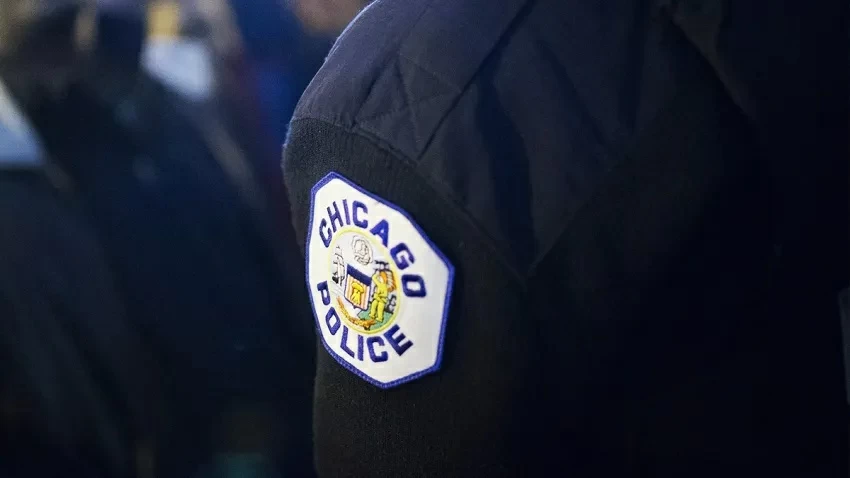
بعد 66 عامًا من الغموض، كشفت شرطة شيكاغو هوية قاتل الطفلة غلوريا كوالفيتش، التي كانت تبلغ من العمر ثماني سنوات عند مقتلها عام 1960، في مفاجأة صادمة أظهرت أن الجاني هو توماس مكاينيرني، الذي عمل لاحقًا محققًا في شرطة المدينة قبل وفاته عام 2006.
وجاء حل واحدة من أقدم القضايا العالقة في شيكاغو بفضل تقنيات علم الأنساب الجيني وتحليل الحمض النووي المستخرج حديثًا من معطف الضحية، ما قاد المحققين إلى تحديد هوية القاتل بعد عقود من البحث دون نتائج.
وتعود أحداث القضية إلى 12 نوفمبر 1960، عندما اختفت غلوريا أثناء توجهها من منزل أسرتها إلى كنيسة محلية في حي ويست إنغلوود، قبل العثور على جثتها لاحقًا داخل خندق بمحمية غابات جنوب غربي المدينة، وقد فارقت الحياة متأثرة بإطلاق نار.
وفي ذلك الوقت، أطلقت الشرطة حملة تحقيق واسعة شملت استجواب نحو 1300 شخص وإخضاع 12 آخرين لاختبارات كشف الكذب، إلا أن جميع الجهود فشلت في تحديد المسؤول عن الجريمة، ليرحل والدا الطفلة من دون معرفة الحقيقة.
وشهدت القضية تحولًا حاسمًا مؤخرًا بعدما أعاد المحققون فحص أدلة محفوظة من مسرح الجريمة، حيث عُثر على آثار سائل منوي على معطف الضحية، رغم عدم وجود دلائل على تعرضها لاعتداء جنسي. وبعد تحليل العينة عبر قواعد بيانات الأنساب الجينية، تمكن مكتب التحقيقات الفيدرالي من ربط الحمض النووي بتوماس مكاينيرني، فيما أكدت فحوص البصمات والأدلة الجنائية الأخرى صحة التطابق.
وكان مكاينيرني قد انضم إلى شرطة شيكاغو عام 1959، ثم تدرج في العمل حتى تقاعد عام 1987 بصفة محقق في جرائم القتل، قبل أن يواصل مسيرته المهنية محققًا لدى مكاتب الدفاع الفيدرالية حتى عام 2004، ويحصل خلال سنوات خدمته على عدة تكريمات.
ووصف مسؤولو شرطة شيكاغو الجريمة بأنها «بغيضة»، مؤكدين أن مكاينيرني لم يكن يستحق حمل شارة الشرطة، ومعربين عن أسفهم لعدم محاسبته قبل وفاته.
بدوره، قال شقيق الضحية آدم كوالفيتش إن معرفة هوية القاتل منحت العائلة قدرًا من الراحة بعد عقود طويلة من الانتظار، لكنه أبدى حزنه لأن الجاني توفي قبل أن يمثل أمام العدالة.
وأعلن مكتب التحقيقات الفيدرالي إدراج الحمض النووي لمكاينيرني في قواعد بياناته، للتحقق من احتمال ارتباطه بقضايا جنائية أخرى ما تزال مجهولة الفاعل.
After 66 years of mystery, the Chicago Police have revealed the identity of the killer of eight-year-old Gloria Kowalewicz, who was murdered in 1960, in a shocking surprise that showed the perpetrator was Thomas McInerney, who later worked as an investigator for the city police before his death in 2006.
The resolution of one of Chicago's oldest cold cases came thanks to genetic genealogy techniques and DNA analysis recently extracted from the victim's coat, which led investigators to identify the killer after decades of fruitless searching.
The events of the case date back to November 12, 1960, when Gloria disappeared while walking from her family's home to a local church in the West Englewood neighborhood, before her body was later found in a ditch in a forest preserve southwest of the city, having died from gunshot wounds.
At that time, the police launched a wide-ranging investigation campaign that included questioning about 1,300 people and subjecting 12 others to lie detector tests, but all efforts failed to identify the perpetrator, leaving the child's parents without knowing the truth.
The case saw a crucial turnaround recently when investigators re-examined preserved evidence from the crime scene, where traces of semen were found on the victim's coat, despite no evidence of sexual assault. After analyzing the sample through genetic genealogy databases, the FBI was able to link the DNA to Thomas McInerney, while fingerprint tests and other forensic evidence confirmed the match.
McInerney joined the Chicago Police in 1959 and worked his way up until he retired in 1987 as a homicide investigator, before continuing his career as an investigator with federal defense offices until 2004, receiving several commendations during his years of service.
Chicago police officials described the crime as "heinous," affirming that McInerney did not deserve to carry a police badge, expressing regret that he was not held accountable before his death.
For his part, the victim's brother Adam Kowalewicz stated that knowing the identity of the killer has given the family some comfort after decades of waiting, but he expressed sadness that the perpetrator died before facing justice.
The FBI announced the inclusion of McInerney's DNA in its databases to verify the possibility of his connection to other criminal cases that remain unsolved.