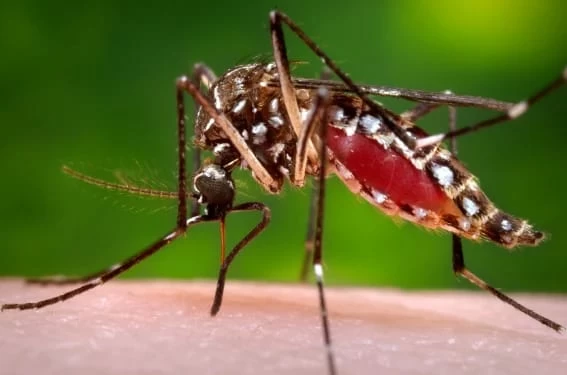
تواجه ولاية فلوريدا الأمريكية تفشياً لحمى الضنك هو الأكبر على الأرجح في الولايات المتحدة القارية منذ عقود، بعدما تجاوز عدد الإصابات التي انتقلت محلياً 250 حالة منذ بداية العام، تتركز غالبيتها في مقاطعة هيلزبورو، موطن مدينة تامبا، وسط إعلان حالات طوارئ محلية وتكثيف عمليات رش البعوض ليلاً ونهاراً للحد من انتشار المرض.
وتشير البيانات المتاحة من إدارات الصحة في الولايات المختلفة والدوريات الطبية إلى أن تفشي المرض في فلوريدا قد يمثل أكبر عدد من الإصابات المحلية المسجلة في ولاية أمريكية خلال عام ميلادي واحد منذ أربعينيات القرن الماضي على الأقل.
وتقول السلطات الصحية الفيدرالية إن بياناتها المتعلقة بتفشي الضنك محدودة، إلا أن فلوريدا عادة ما تسجل العدد الأكبر من الإصابات المحلية بين الولايات الأمريكية المتصلة، بينما تتعرض بورتوريكو لتفشيات أكبر بكثير من أي ولاية أمريكية أخرى.
فلوريدا تتجاوز أسوأ أرقامها السابقة
وكان عام 2023 الأسوأ سابقاً بالنسبة إلى فلوريدا، عندما سجلت الولاية أقل قليلاً من 200 إصابة محلية بحمى الضنك.
وأعلنت السلطات في مقاطعة هيلزبورو ومقاطعات مجاورة حالات طوارئ محلية، فيما كثفت فرق مكافحة البعوض عمليات الرش في منطقة تامبا ليلاً ونهاراً، بهدف الحد من أعداد الحشرات الناقلة للفايروس.
وبدأ التفشي الحالي في الظهور بشكل واضح في يوليو الماضي، وأصبح على وشك تجاوز أكبر تفشٍ للضنك شهدته أي ولاية أمريكية منذ ذلك الوقت، وهو التفشي الذي وقع في هاواي بين عامي 2015 و2016، وسجل 264 إصابة محلية خلال ستة أشهر.
ما هي حمى الضنك؟
حمى الضنك مرض فايروسي ينتقل إلى الإنسان عبر نوع معين من البعوض، وقد لا تظهر أعراض على كثير من المصابين.
لكن البعض قد يعاني الحمى وأعراضاً تشبه الأنفلونزا، إلى جانب آلام شديدة في الجسم، وهو ما منح المرض لقب «حمى تكسير العظام» بسبب شدة الألم التي قد يشعر بها بعض المرضى.
وفي الحالات الشديدة، يمكن أن يؤدي المرض إلى النزيف والصدمة، وقد يصبح مميتاً.
وتوجد أربعة أنواع من فايروس الضنك، تُعرف ببساطة بالأرقام 1 و2 و3 و4. وبعد الإصابة للمرة الأولى، يكوّن الجسم أجساماً مضادة تحميه مدى الحياة من النوع الذي أصيب به.
لكن عند الإصابة لاحقاً بنوع مختلف، قد لا تتمكن الأجسام المضادة التي كوّنها الجسم سابقاً من تحييد الفايروس الجديد، بل قد تساعده في بعض الحالات على دخول الخلايا المناعية والتكاثر داخلها، وهو ما جعل تطوير لقاح فعال ضد المرض أمراً معقداً.
وقالت داون ويسون، الخبيرة في الضنك والأمراض الأخرى التي ينقلها البعوض بجامعة تولين، إن معظم سكان منطقة تامبا لا يمتلكون مناعة سابقة ضد أي من أنواع فايروس الضنك.
كيف ينتشر المرض؟
يعيش البعوض الناقل لحمى الضنك في فلوريدا وبعض المناطق الأمريكية الأكثر دفئاً، إلا أن خبراء يقولون إن نطاق انتشاره الجغرافي يتوسع، ويربطون ذلك جزئياً بتغير المناخ.
وعلى مدى عقود، كانت غالبية حالات الضنك في الولايات المتحدة القارية مرتبطة بأشخاص أصيبوا بالفايروس أثناء السفر إلى الخارج، إلى جانب الإصابات المحلية في بورتوريكو.
لكن في عامي 2009 و2010، سجلت مدينة كي ويست في فلوريدا أول حالات إصابة محلية بالضنك في الولايات المتحدة القارية، خارج منطقة الحدود بين تكساس والمكسيك، منذ عام 1945.
وعلى مستوى العالم، أُبلغ عن أكثر من 2.2 مليون إصابة بحمى الضنك ونحو 1200 وفاة منذ بداية العام الحالي، وفق منظمة الصحة العالمية.
وفي الولايات المتحدة، سُجلت نحو 1900 إصابة محلية هذا العام، معظمها في بورتوريكو، بحسب مراكز السيطرة على الأمراض والوقاية منها «CDC».
لماذا تشهد منطقة تامبا هذا التفشي؟
ترى ويسون أن فلوريدا تسجل أعداداً مرتفعة من حالات الضنك جزئياً بسبب كثافة حركة السفر إليها من مناطق ينتشر فيها المرض، ومنها بورتوريكو.
وعادة ما تتركز الإصابات المحلية في جنوب فلوريدا، ولا سيما حول منطقة ميامي، بينما يصعب تحديد سبب الارتفاع المفاجئ في منطقة تامبا هذا العام.
وبحسب أحدث الأرقام المتاحة، تجاوز عدد الإصابات التي انتقلت محلياً في فلوريدا تلك المرتبطة بالسفر، بواقع 252 حالة مقابل 245 حالة.
كيف تحمي نفسك من حمى الضنك؟
تتركز موجة التفشي الحالية شمال مدينة تامبا، حيث تعمل فرق مكافحة البعوض على رش المناطق المستهدفة، إلى جانب تفقد الممتلكات بحثاً عن المياه الراكدة، بما في ذلك المياه الموجودة داخل الإطارات القديمة، والتي يمكن أن تشكل بيئة مناسبة لتكاثر البعوض.
كما يُنصح بارتداء ملابس فضفاضة ذات أكمام طويلة وسراويل طويلة لتغطية أكبر قدر ممكن من الجلد، وتقليل فرص تعرضه للدغات.
ويمكن كذلك تقليل خطر الإصابة بالبقاء داخل المنازل، خصوصاً الأماكن المزودة بشبكات على النوافذ أو مكيفات هواء.
وتزداد أهمية هذه الإجراءات بعد شروق الشمس مباشرة وحول وقت غروبها، عندما يكون البعوض أكثر نشاطاً.
كما ينصح الخبراء السكان بالتفتيش حول منازلهم والتخلص من أي مياه راكدة يمكن أن يستخدمها البعوض في التكاثر.
The state of Florida is facing what is likely the largest outbreak of dengue fever in the continental United States in decades, as the number of locally transmitted cases has exceeded 250 since the beginning of the year, with the majority concentrated in Hillsborough County, home to Tampa, amid local emergency declarations and intensified mosquito spraying operations both day and night to curb the spread of the disease.
Available data from health departments across various states and medical journals indicate that the outbreak in Florida may represent the largest number of locally recorded cases in a U.S. state during a single calendar year since at least the 1940s.
Federal health authorities state that their data regarding the dengue outbreak is limited, but Florida typically records the highest number of local cases among the contiguous U.S. states, while Puerto Rico experiences much larger outbreaks than any other U.S. state.
Florida Surpasses Its Worst Previous Numbers
2023 was previously the worst year for Florida, when the state recorded just under 200 local cases of dengue fever.
Authorities in Hillsborough County and neighboring counties have declared local emergencies, while mosquito control teams have intensified spraying operations in the Tampa area both day and night, aiming to reduce the numbers of virus-carrying insects.
The current outbreak began to become clearly evident last July and is on the verge of surpassing the largest dengue outbreak recorded in any U.S. state since then, which occurred in Hawaii between 2015 and 2016, recording 264 local cases over six months.
What is Dengue Fever?
Dengue fever is a viral disease transmitted to humans through a specific type of mosquito, and many infected individuals may not show symptoms.
However, some may experience fever and flu-like symptoms, along with severe body aches, which has earned the disease the nickname "breakbone fever" due to the intensity of pain that some patients may feel.
In severe cases, the disease can lead to bleeding and shock, and it can become fatal.
There are four types of the dengue virus, simply known by the numbers 1, 2, 3, and 4. After the first infection, the body produces antibodies that protect it for life against the type it was infected with.
However, upon later infection with a different type, the antibodies previously formed may not neutralize the new virus, and in some cases, they may assist it in entering immune cells and replicating within them, which has made developing an effective vaccine against the disease complex.
Dawn Wesson, an expert in dengue and other mosquito-borne diseases at Tulane University, stated that most residents of the Tampa area do not have prior immunity against any of the dengue virus types.
How Does the Disease Spread?
The mosquito that transmits dengue fever lives in Florida and some of the warmer areas of the U.S., but experts say that its geographical range is expanding, partly linking this to climate change.
For decades, the majority of dengue cases in the continental United States have been associated with individuals who contracted the virus while traveling abroad, along with local cases in Puerto Rico.
However, in 2009 and 2010, the city of Key West in Florida recorded the first local cases of dengue in the continental United States, outside the Texas-Mexico border area, since 1945.
Globally, more than 2.2 million cases of dengue fever and nearly 1,200 deaths have been reported since the beginning of the current year, according to the World Health Organization.
In the United States, approximately 1,900 local cases have been recorded this year, most of them in Puerto Rico, according to the Centers for Disease Control and Prevention (CDC).
Why is the Tampa Area Experiencing This Outbreak?
Wesson believes that Florida is recording high numbers of dengue cases partly due to the high volume of travel to the state from areas where the disease is prevalent, including Puerto Rico.
Local cases are usually concentrated in South Florida, particularly around the Miami area, while it is difficult to pinpoint the reason for the sudden increase in the Tampa area this year.
According to the latest available figures, the number of locally transmitted cases in Florida has surpassed those associated with travel, with 252 cases compared to 245 cases.
How Can You Protect Yourself from Dengue Fever?
The current outbreak wave is concentrated north of Tampa, where mosquito control teams are spraying targeted areas, along with checking properties for standing water, including water found in old tires, which can provide a suitable environment for mosquito breeding.
It is also advised to wear loose-fitting long-sleeved clothing and long pants to cover as much skin as possible, reducing the chances of exposure to bites.
Staying indoors, especially in places equipped with window screens or air conditioning, can also reduce the risk of infection.
The importance of these measures increases just after sunrise and around sunset when mosquitoes are most active.
Experts also advise residents to inspect around their homes and eliminate any standing water that mosquitoes could use for breeding.