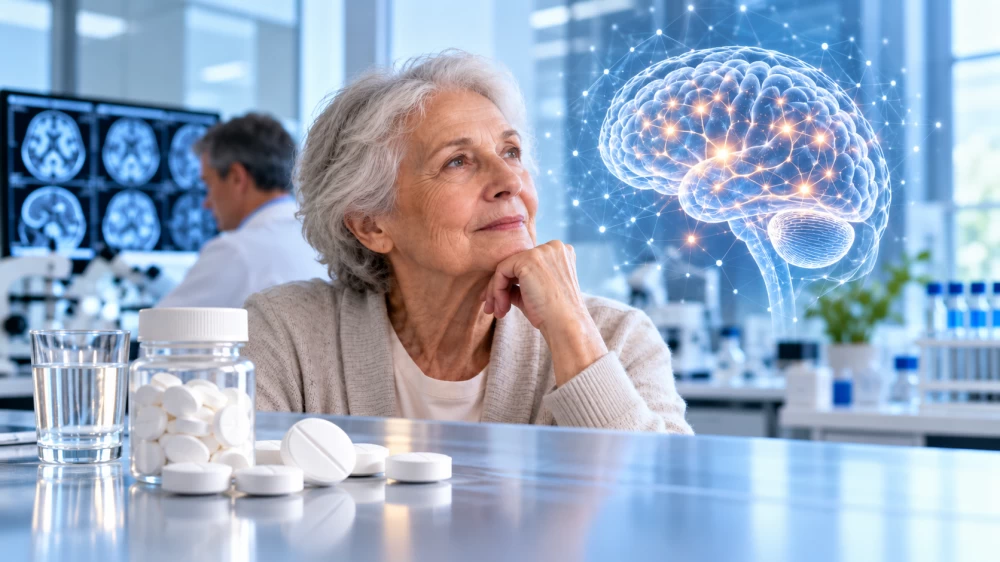
كشفت دراسة حديثة أجرتها جامعة موناش عن ارتباط تناول جرعات منخفضة من الأسبرين بانخفاض خطر الإصابة بالخرف لدى فئة من كبار السن الذين يحملون سمات جينية معينة.
وحلل الباحثون البيانات الجينية لأكثر من 13500 مشارك في دراسة «ASPREE»، بهدف معرفة مدى تأثير الخصائص الجينية في العلاقة بين تناول الأسبرين وخطر الإصابة بالخرف، مع التركيز على الجينات المرتبطة بعدد الصفائح الدموية وتصنيف المشاركين وفقاً لمؤشراتهم الجينية المرتبطة بها.
وأظهرت النتائج أن 1% فقط من المشاركين الذين سجلوا أعلى المؤشرات الجينية المرتبطة بالصفائح الدموية وتناولوا الأسبرين أصيبوا بالخرف، مقارنة بـ3.3% ممن لديهم المؤشرات الجينية نفسها وتناولوا دواءً وهمياً، ما يمثل انخفاضاً نسبياً في خطر الإصابة بالخرف بنحو 70% لدى متناولي الأسبرين.
وفي المقابل، ارتبط تناول الأسبرين بزيادة خطر النزيف الحاد، إذ تعرض 4.4% من المشاركين الذين تناولوه لنزيف حاد، مقابل 2.1% ممن تناولوا الدواء الوهمي.
وقال الباحث الرئيسي الدكتور بيتر فرانسكيه من جامعة موناش إن النتائج تشير إلى احتمال اختلاف تأثير الأسبرين باختلاف الخصائص الجينية للأفراد، بعدما أظهرت دراسات سابقة عدم وجود فائدة واضحة له في الوقاية من الخرف عند دراسة المشاركين كمجموعة واحدة.
وأضاف أن النتائج تفتح مساراً بحثياً جديداً لدراسة دور الصفائح الدموية في الخرف، مؤكداً ضرورة التحقق منها من خلال دراسات أخرى، قبل اختبارها في تجارب سريرية مصممة خصيصاً للأشخاص الذين يحملون هذه الخصائص الجينية.
وشدد الباحثون على أن هذه النتائج لا تعني بدء تناول الأسبرين بهدف الوقاية من الخرف، خصوصاً مع ارتفاع خطر النزيف الحاد، مؤكدين ضرورة استشارة الطبيب قبل استخدامه لهذا الغرض.
وفي حال تأكيد النتائج مستقبلاً، فقد تسهم هذه المقاربة في تحديد الأشخاص الذين يمكن أن يستفيدوا من الأسبرين للوقاية من الخرف، بدلاً من اعتماد نهج موحد للجميع.
A recent study conducted by Monash University revealed a link between taking low doses of aspirin and a reduced risk of developing dementia in a group of elderly individuals with certain genetic traits.
Researchers analyzed the genetic data of more than 13,500 participants in the "ASPREE" study to determine how genetic characteristics influence the relationship between aspirin use and dementia risk, focusing on genes associated with platelet count and classifying participants according to their related genetic indicators.
The results showed that only 1% of participants who had the highest genetic indicators related to platelets and took aspirin developed dementia, compared to 3.3% of those with the same genetic indicators who took a placebo, representing a relative reduction in dementia risk of about 70% among aspirin users.
Conversely, taking aspirin was associated with an increased risk of severe bleeding, as 4.4% of participants who took it experienced severe bleeding, compared to 2.1% of those who took the placebo.
Lead researcher Dr. Peter Franks from Monash University stated that the results suggest that the effect of aspirin may vary based on individuals' genetic characteristics, after previous studies showed no clear benefit in preventing dementia when participants were studied as a single group.
He added that the findings open a new research pathway to study the role of platelets in dementia, emphasizing the need for verification through further studies before testing in clinical trials specifically designed for individuals with these genetic traits.
Researchers stressed that these results do not mean individuals should start taking aspirin for dementia prevention, especially given the heightened risk of severe bleeding, and they emphasized the necessity of consulting a doctor before using it for this purpose.
If the results are confirmed in the future, this approach could help identify individuals who might benefit from aspirin for dementia prevention, rather than relying on a one-size-fits-all approach.