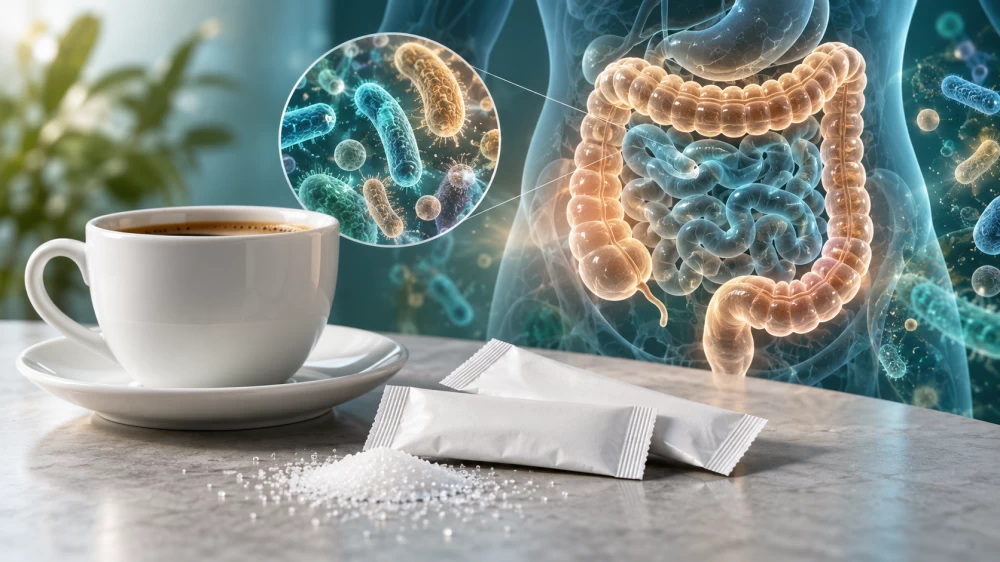
أظهرت دراسة أُجريت على البشر أن أربعة من بدائل السكر الشائعة قد تُحدث تغيرات في بكتيريا الأمعاء، وأن اثنين منها أثّرا في استجابة الجسم للغلوكوز خلال فترة التجربة. لكن الباحثين أكدوا أن النتائج لا تكشف الآثار الصحية لهذه التغيرات على المدى الطويل.
وشملت الدراسة، التي نُشرت عام 2022، 120 شخصاً اعتادوا تجنب المنتجات المحتوية على بدائل السكر. وقسّمهم الباحثون إلى ست مجموعات؛ تناولت أربع منها، لمدة أسبوعين، السكارين أو السكرالوز أو الأسبارتام أو الستيفيا، فيما تلقت مجموعة خامسة أكياساً تحتوي على الغلوكوز، ولم تتناول المجموعة السادسة أي مكمل. وكانت كميات بدائل السكر المستخدمة أقل من الحدود اليومية المقبولة.
ووجد الباحثون أن المواد الأربع غيّرت تكوين ووظيفة الميكروبات المعوية بدرجات متفاوتة. كما ارتبط تناول السكارين والسكرالوز بضعف ملحوظ في استجابة الغلوكوز لدى المشاركين مقارنة بمجموعات المقارنة، مع اختلاف الاستجابة من شخص إلى آخر. ولا تعني هذه النتيجة أن تناول أيٍّ منهما يسبب السكري أو السمنة.
وفي المقابل، توضح هيئة الخدمات الصحية الوطنية البريطانية أن بدائل السكر المعتمدة تخضع لتقييمات للسلامة قبل استخدامها، وتُعد بديلاً مقبولاً للسكر. وتشير إلى أن استبدال المشروبات السكرية بأخرى مُحلّاة من دون سعرات قد يساعد في خفض استهلاك الطاقة، بينما تتباين نتائج الدراسات التي تابعت أثرها في الوزن لفترات أطول.
وتؤكد جامعة جونز هوبكنز أن الدراسات البشرية تشير عموماً إلى سلامة بدائل السكر عند استهلاكها ضمن الحدود اليومية المقبولة. وبذلك تبقى نتائج الدراسة المتعلقة ببكتيريا الأمعاء والغلوكوز مؤشرات قصيرة المدى، تحتاج إلى دراسات أطول لتحديد ما إذا كانت تترتب عليها آثار صحية مستمرة.
A study conducted on humans showed that four common sugar substitutes may cause changes in gut bacteria, and that two of them affected the body's response to glucose during the trial period. However, the researchers emphasized that the results do not reveal the long-term health effects of these changes.
The study, published in 2022, included 120 individuals who were accustomed to avoiding products containing sugar substitutes. The researchers divided them into six groups; four of which consumed either saccharin, sucralose, aspartame, or stevia for two weeks, while a fifth group received packets containing glucose, and the sixth group did not consume any supplement. The amounts of sugar substitutes used were below the acceptable daily limits.
The researchers found that the four substances altered the composition and function of gut microbes to varying degrees. The consumption of saccharin and sucralose was associated with a significant impairment in glucose response among participants compared to the control groups, with the response varying from person to person. This result does not mean that consuming either of them causes diabetes or obesity.
In contrast, the UK National Health Service clarifies that approved sugar substitutes undergo safety evaluations before being used and are considered an acceptable alternative to sugar. It indicates that replacing sugary drinks with calorie-free sweetened ones may help reduce energy consumption, while the results of studies tracking their impact on weight over longer periods vary.
Johns Hopkins University confirms that human studies generally indicate the safety of sugar substitutes when consumed within acceptable daily limits. Thus, the results of the study related to gut bacteria and glucose remain short-term indicators, requiring longer studies to determine whether they lead to lasting health effects.