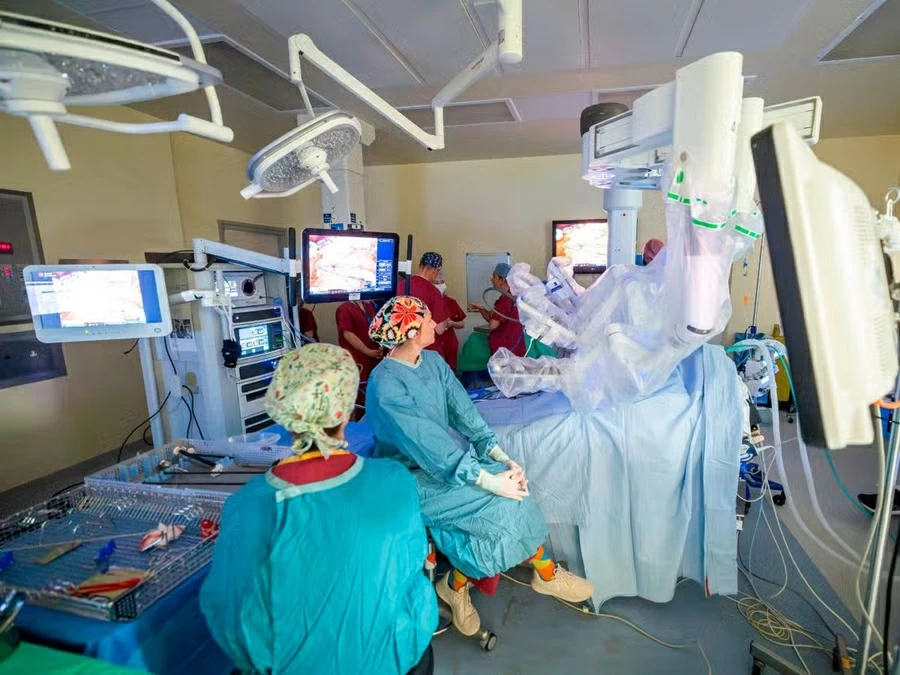
تسببت مو جة الحر القياسية التي ضربت بريطانيا مؤخرًا في تعطيل الخدمات الجراحية داخل عدد من مستشفيات هيئة الخدمات الصحية الوطنية، بعدما اضطرت إلى إلغاء أكثر من 1100 عملية جراحية في مختلف التخصصات.
وشملت الإلغاءات جراحات العظام واستبدال المفاصل، وعمليات القلب والعيون وأمراض النساء والمسالك البولية، إضافة إلى إجراءات مرتبطة بعلاج السرطان. كما أُلغيت عشر عمليات طارئة على الأقل، واضطر الأطباء إلى إيقاف 18 عملية كانت قد بدأت بالفعل بسبب ظروف الحرارة داخل غرف العمليات.
وجاءت منطقتا ساري وساسكس في مقدمة المناطق المتضررة، حيث سجلت مستشفياتها نحو 140 حالة إلغاء بالتزامن مع ارتفاع درجات الحرارة إلى قرابة 36 درجة مئوية. كما شهدت مناطق في جنوب إسيكس وأجزاء من لندن وويلز معدلات مرتفعة من العمليات المتأثرة.
وأوضحت مصادر طبية أن ارتفاع الحرارة والرطوبة داخل غرف العمليات يضغط على أنظمة التهوية والتجهيزات الحساسة، ويزيد من إجهاد المرضى والكوادر الطبية، فضلًا عن رفع مخاطر العدوى. وأشار التحقيق إلى أن البيانات الواردة من 59 مؤسسة صحية فقط -من أصل 140 طُلب منها تقديم المعلومات- ما يعني أن العدد الحقيقي للعمليات المتأثرة قد يكون أعلى بكثير.
وحذّر خبراء من أن موجات الحر باتت تمثل تحديًا متصاعدًا أمام النظام الصحي البريطاني، في ظل تزايد فترات الحرارة الشديدة المرتبطة بتغير المناخ، وما تفرضه من ضغوط على البنية التحتية الطبية وقدرة المستشفيات على الحفاظ على بيئة آمنة للجراحة.
The recent record heatwave that struck Britain has disrupted surgical services in several National Health Service hospitals, forcing the cancellation of more than 1,100 surgeries across various specialties.
The cancellations included orthopedic surgeries, joint replacements, heart and eye operations, gynecology, and urology procedures, in addition to cancer treatment-related interventions. At least ten emergency surgeries were also canceled, and doctors had to halt 18 procedures that had already begun due to the heat conditions inside the operating rooms.
The Surrey and Sussex areas were among the most affected, with their hospitals recording around 140 cancellations as temperatures soared to nearly 36 degrees Celsius. Areas in South Essex and parts of London and Wales also experienced high rates of affected surgeries.
Medical sources indicated that the high heat and humidity inside operating rooms put pressure on ventilation systems and sensitive equipment, increasing stress on patients and medical staff, as well as raising the risk of infection. The investigation noted that data was received from only 59 health institutions - out of 140 that were asked to provide information - suggesting that the actual number of affected surgeries could be much higher.
Experts warned that heatwaves are becoming an escalating challenge for the British health system, amid increasing periods of extreme heat linked to climate change, which impose pressures on medical infrastructure and hospitals' ability to maintain a safe surgical environment.