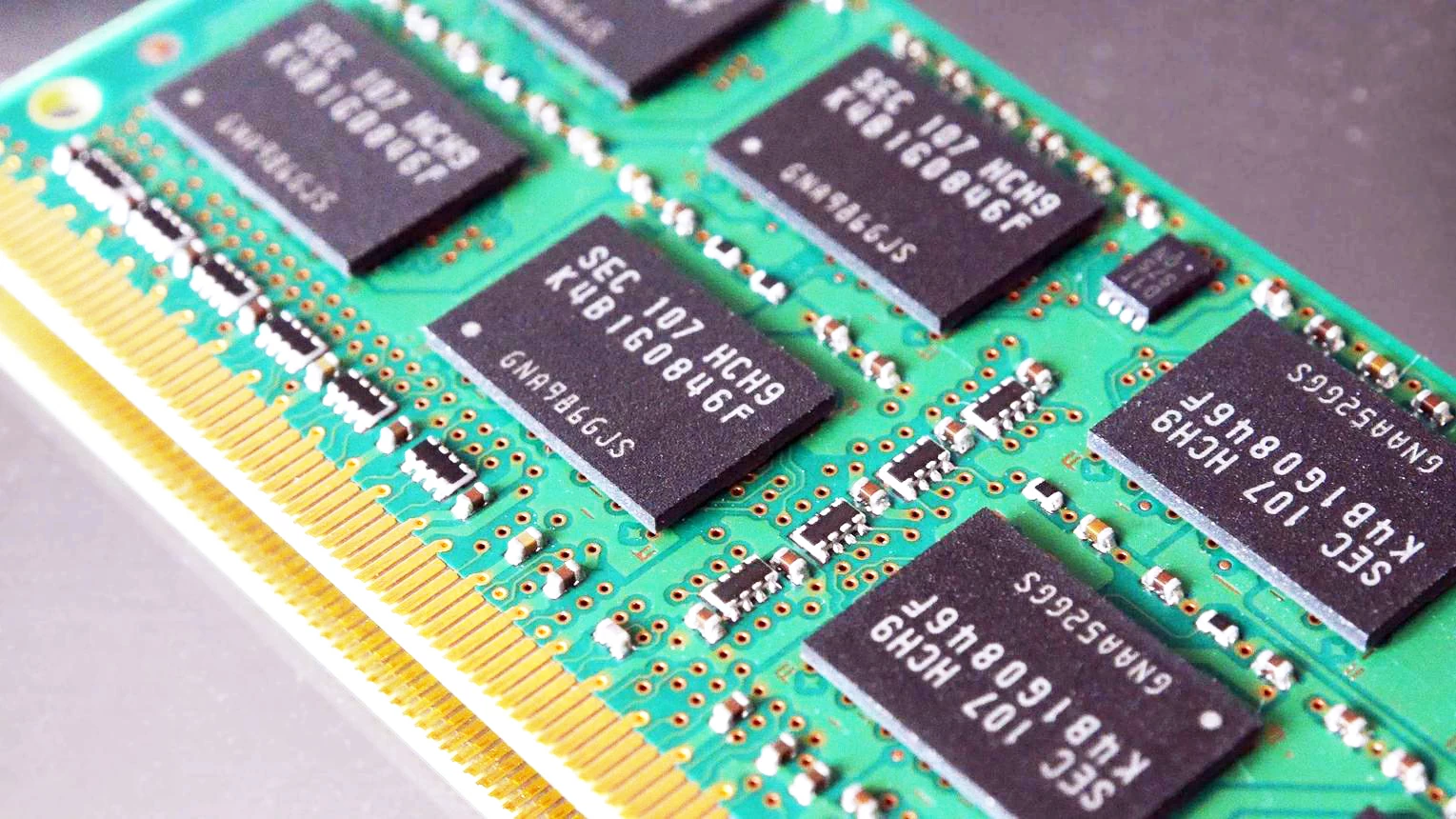
تواجه سوق الأجهزة الإلكترونية موجة جديدة من الضغوط، مع الارتفاع الحاد في أسعار شرائح الذاكرة «DRAM»، في وقت يتزايد فيه الطلب العالمي على المكونات المستخدمة في مراكز بيانات الذكاء الاصطناعي، ما بدأ ينعكس على تكلفة الحواسيب والهواتف وغيرها من الأجهزة الاستهلاكية.
وبحسب تقرير حديث لصحيفة «فايننشال تايمز»، ارتفعت أسعار شرائح «DRAM» بنحو خمسة أضعاف خلال عام، وسط تحولات تشهدها صناعة أشباه الموصلات، إذ توجه الشركات المصنعة جانباً أكبر من طاقاتها الإنتاجية إلى شرائح الذاكرة المتقدمة ذات النطاق الترددي العالي «HBM»، التي تحتاج إليها أنظمة ومسرّعات الذكاء الاصطناعي. وأدى هذا التحول إلى زيادة الضغوط على إمدادات الذاكرة التقليدية المستخدمة في الأجهزة الإلكترونية، فيما بدأت شركات تصنيع أجهزة في التعامل مع ارتفاع تكاليف المكونات، سواء عبر رفع الأسعار أو تعديل بعض المواصفات.
وتشير التوقعات الواردة في التقرير إلى أن أزمة الإمدادات قد تمتد إلى عام 2027، ما يجعل طفرة الذكاء الاصطناعي عاملاً مؤثراً بصورة متزايدة في أسعار الأجهزة التي تصل إلى المستهلك، وليس فقط في سوق الخوادم ومراكز البيانات.
The electronic devices market is facing a new wave of pressures, with a sharp rise in the prices of DRAM memory chips, at a time when global demand for components used in artificial intelligence data centers is increasing, which has started to reflect on the cost of computers, phones, and other consumer devices.
According to a recent report by the Financial Times, the prices of DRAM chips have risen by nearly five times over the past year, amid transformations in the semiconductor industry, as manufacturers are directing a larger portion of their production capacities towards advanced high-bandwidth memory (HBM) chips, which are needed for AI systems and accelerators. This shift has increased the pressures on the supply of traditional memory used in electronic devices, while device manufacturers have begun to deal with rising component costs, either by raising prices or adjusting some specifications.
The forecasts in the report indicate that the supply crisis may extend to 2027, making the AI boom an increasingly influential factor in the prices of devices reaching consumers, not just in the server and data center market.