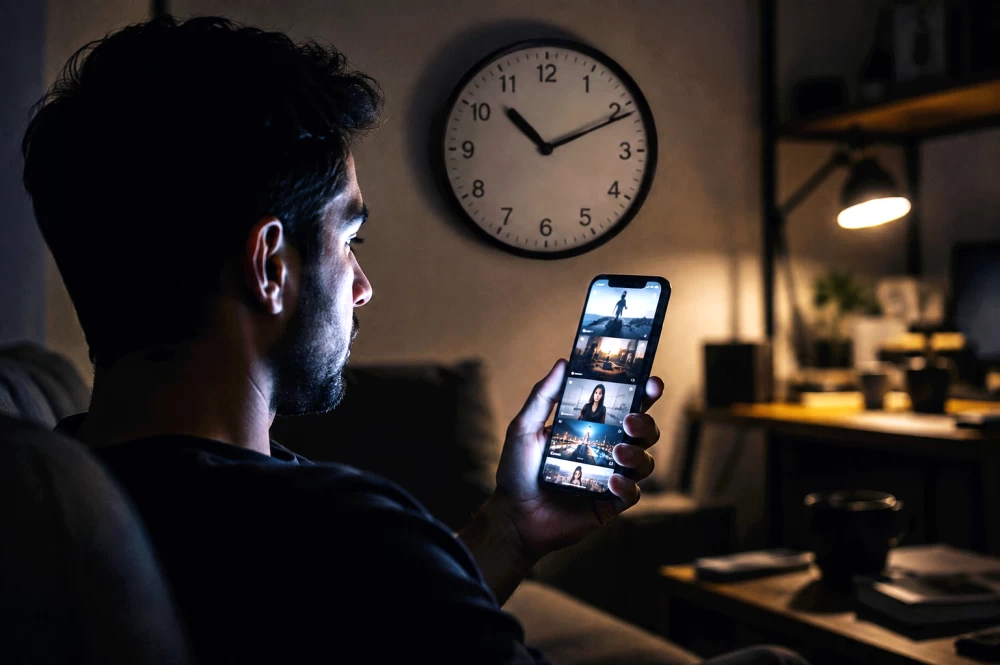
تحولت دقائق المستخدم أمام شاشة الهاتف إلى هدف تتنافس عليه التطبيقات والمنصات الرقمية، بعدما أصبح الوقت الذي يقضيه داخل التطبيق مؤشراً مهماً على قوة حضوره وقدرته على جذب الجمهور، لتبدأ معركة يومية هادئة على ساعات محدودة تتقاسمها عشرات الخدمات.
وتظهر هذه المنافسة، منذ اللحظة الأولى لفتح الهاتف؛ إشعاراً يدعو إلى العودة، ومقطعاً يبدأ تلقائياً، وآخر ينتظر حركة إصبع، ومحتوى جديداً يظهر باستمرار. وتبدو كل خطوة بسيطة بمفردها، لكنها مجتمعة تجعل الخروج من دائرة التصفح أكثر صعوبة، خصوصاً مع انتشار الفيديوهات القصيرة.
وتزيد أنظمة التوصية من قوة هذه التجربة، إذ تستفيد المنصات من تفاعلات المستخدم واهتماماته لتقديم محتوى يتوافق مع اختياراته السابقة. مشاهدة مقطع معين أو التوقف أمام منشور أو التفاعل معه، تساعد في رسم صورة لما يفضله، ليصبح المحتوى التالي أكثر قرباً من اهتماماته.
وتتجاوز المنافسة حدود منصات التواصل؛ فتطبيقات الفيديو والموسيقى والألعاب والتسوق والأخبار وخدمات البث، تبحث جميعها عن مساحة من اليوم نفسه. وكل دقيقة إضافية تحمل فرصة لمشاهدة إعلان، أو شراء خدمة، أو تجديد اشتراك، أو الاستمرار في استهلاك المحتوى.
وفي الجهة الأخرى، بدأ المستخدم يمتلك أدوات تساعده على معرفة أين يذهب وقته، من تقارير مدة استخدام الشاشة إلى تحديد وقت التطبيقات وإيقاف بعض الإشعارات. وسط هذا السباق، أصبح الوقت جزءاً أساسياً من العلاقة بين الإنسان وهاتفه. وبين إشعار ومقطع وآخر، يبقى السؤال الأكثر أهمية: كم دقيقة دخلنا من أجلها إلى التطبيق، وكم دقيقة قضيناها فعلياً قبل أن نغادر؟
The user's minutes in front of the phone screen have become a target that digital applications and platforms compete for, as the time spent within the app has become an important indicator of its presence and ability to attract an audience, leading to a quiet daily battle over limited hours shared by dozens of services.
This competition is evident from the very moment the phone is unlocked; a notification invites users to return, a video starts playing automatically, another waits for a finger movement, and new content appears continuously. Each step seems simple on its own, but together they make it more difficult to step out of the browsing circle, especially with the rise of short videos.
Recommendation systems enhance this experience, as platforms leverage user interactions and interests to provide content that aligns with their previous choices. Watching a specific clip or pausing at a post or interacting with it helps create a picture of what the user prefers, making the next content more aligned with their interests.
The competition transcends the boundaries of social media; video, music, gaming, shopping, news, and streaming applications all seek a share of the same day. Every additional minute carries the opportunity to view an advertisement, purchase a service, renew a subscription, or continue consuming content.
On the other hand, users have begun to possess tools that help them understand where their time goes, from screen time reports to setting app limits and turning off certain notifications. Amid this race, time has become an essential part of the relationship between humans and their phones. Between one notification and another clip, the most important question remains: how many minutes did we enter the app for, and how many minutes did we actually spend before leaving?