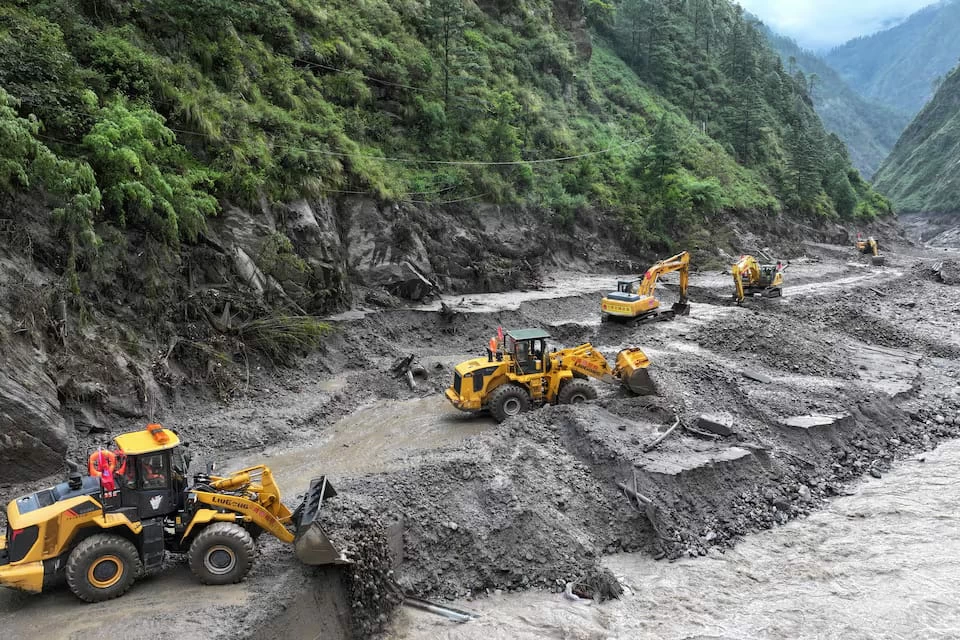
استأنفت فرق الإنقاذ في نيبال والصين، اليوم (الجمعة)، عمليات البحث عن المفقودين، بعد تعليقها مؤقتًا بسبب ارتفاع منسوب المياه في بحيرة تشكلت عقب انهيار جليدي ضخم، وسط مخاوف من فيضانات جديدة تهدد المناطق المنكوبة.
وأسفرت الفيضانات والانهيارات الأرضية التي ضربت مناطق واسعة من جبال الهيمالايا على الحدود بين نيبال والصين، عن مصرع 552 شخصًا على الأقل، فيما لا يزال نحو ألف شخص في عداد المفقودين، وفق حصيلة متاحة، في واحدة من أسوأ الكوارث الطبيعية التي تشهدها المنطقة.
بحيرة تثير المخاوف
وتشكلت البحيرة عقب انهيار جليدي هائل أدى إلى تدفق كميات ضخمة من الصخور والجليد والطين والحطام إلى مجاري الأنهار الجبلية، فيما تجاوز حجم المياه فيها 2.5 مليون متر مكعب، مقارنة بنحو 1.5 إلى مليوني متر مكعب في اليوم السابق.
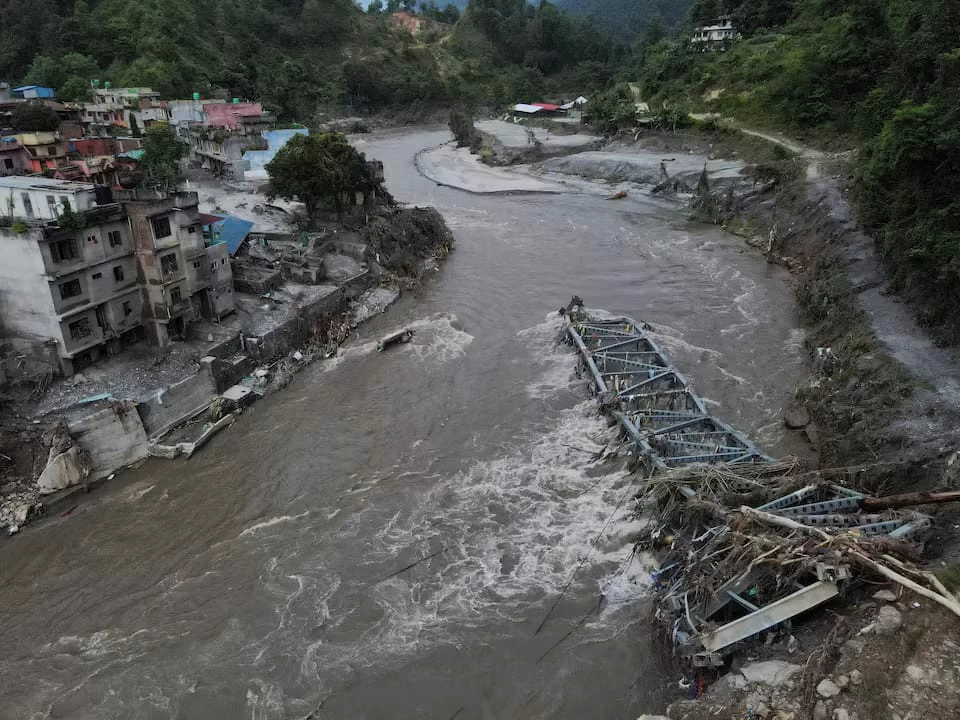
وتدفقت المياه من البحيرة إلى نهر لنده خولا، قبل أن تصل إلى نهر تريشولي، ما دفع السلطات النيبالية إلى تعليق عمليات الإنقاذ لنحو 3 ساعات تحسبًا لحدوث فيضانات جديدة.
وقال متحدث باسم الجيش النيبالي إن ارتفاع مستوى المياه لم يتجاوز نحو 60 سنتيمترًا، قبل أن تقرر السلطات استئناف عمليات البحث بعد تحسن الوضع واستقراره نسبيًا.
وفي الجانب الصيني، سحبت فرق الإنقاذ مركباتها مؤقتًا إلى مناطق آمنة، قبل أن تعود إلى مواقع العمل مجددًا.
دمار واسع
واجتاحت الفيضانات قرى ووديانًا ومناطق جبلية على الطريق الذي يربط العاصمة النيبالية كاتماندو بمدينة لاسا في التبت، وهو مسار يحظى بشعبية بين المتنزهين والحجاج.
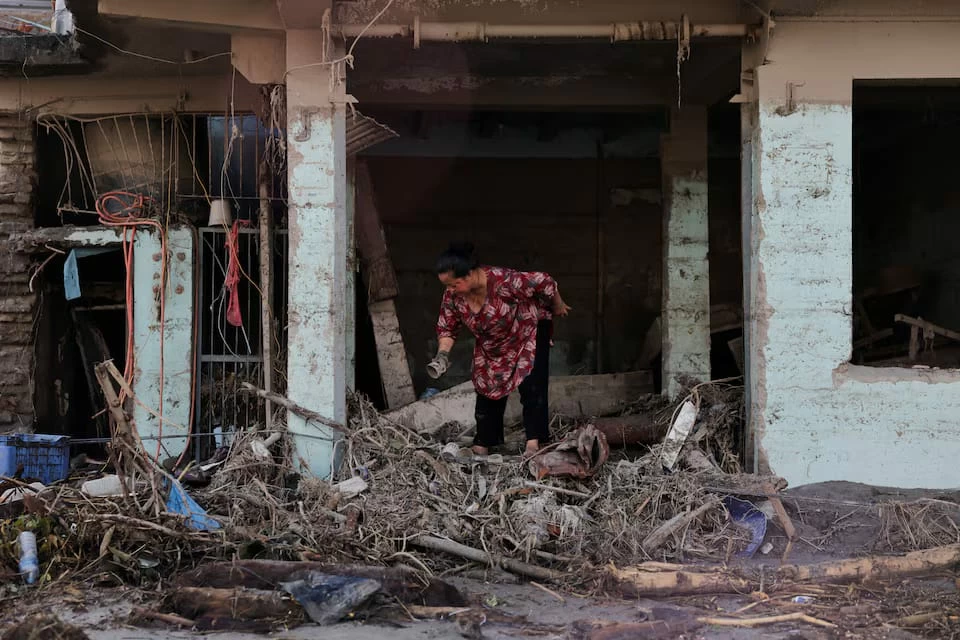
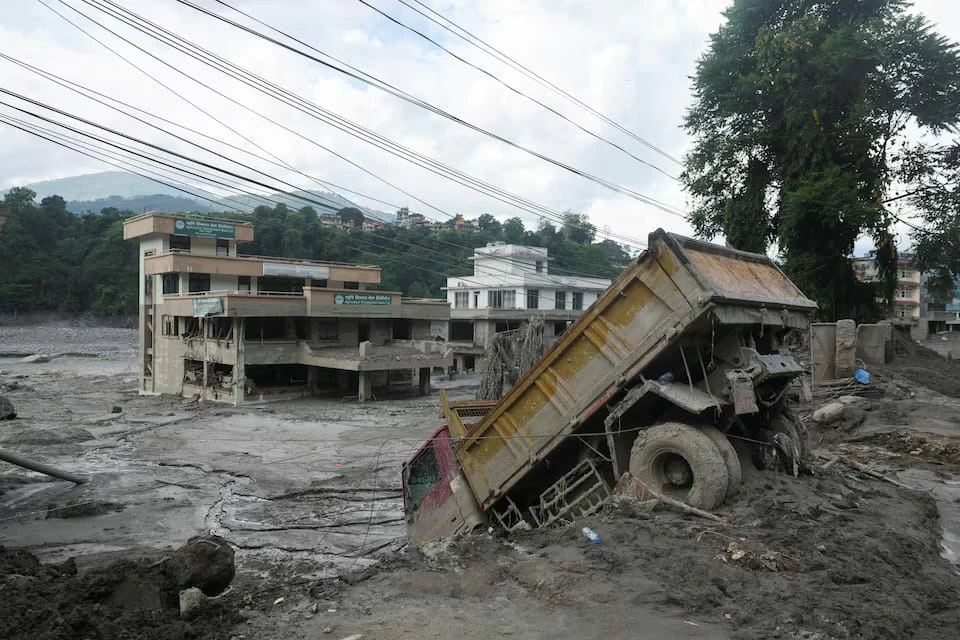
ودمرت الكارثة طرقًا وجسورًا ومحطات كهرباء ومنشآت حيوية، فيما أظهرت مشاهد مصورة تدفقات هائلة من المياه الموحلة والحطام وهي تجتاح منطقة معبر جيرونغ الحدودي خلال ثوانٍ.
وبحسب تقديرات الصليب الأحمر، تأثر نحو 93 ألف شخص بالكارثة ويحتاجون بصورة عاجلة إلى مساعدات إنسانية، فيما تضررت 6 منشآت صحية وفُقد 8 من العاملين في القطاع الطبي، وسط مخاوف من انتشار الأمراض نتيجة النزوح وتضرر شبكات المياه والصرف الصحي.
أجانب بين المفقودين
وتجاوزت تداعيات الكارثة السكان المحليين، إذ يوجد ما لا يقل عن 540 أجنبيًا بين المفقودين في نيبال.
وفي مقاطعة جيرونغ الصينية، أفادت وسائل الإعلام الرسمية بأن عدد المفقودين بلغ 558 شخصًا، بينهم 260 أجنبيًا، فيما تأكدت وفاة 5 أشخاص في الجانب الصيني وفق آخر حصيلة متاحة.
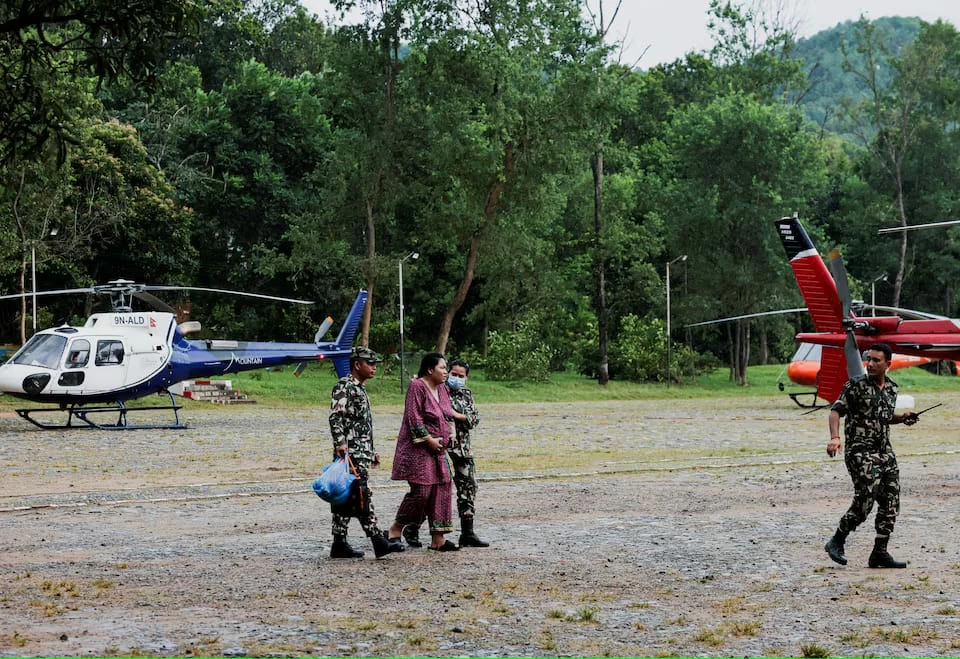
وتكثف فرق الإنقاذ النيبالية عمليات البحث باستخدام المروحيات والكلاب المدربة، إلى جانب نقل الناجين وإسقاط الإمدادات الغذائية والطبية على المناطق التي انقطعت عنها الطرق.
الصين تراقب البحيرات
وفي بكين، عقد المكتب السياسي للحزب الشيوعي الصيني اجتماعًا لمتابعة عمليات الإنقاذ، داعيًا إلى وضع خطط علمية للبحث عن المفقودين من الصينيين والأجانب، وتعزيز مراقبة البحيرات الجليدية ومخاطر الانهيارات الأرضية والبحيرات التي تتشكل خلف الحواجز الطبيعية.
كما دعا الاجتماع إلى تقديم مساعدات طارئة للمناطق المتضررة في نيبال وتعزيز التعاون الدولي في مواجهة الكوارث.
وكان رئيس الوزراء الصيني لي تشيانغ قد زار منطقة جيرونغ المتضررة، في خطوة تعكس حجم الاهتمام الذي توليه بكين بتداعيات الكارثة.
نيبال ترفض فرقًا أجنبية
ورغم عروض المساعدة الدولية، قالت نيبال إنها لا تحتاج في الوقت الحالي إلى فرق بحث وإنقاذ أجنبية.
وأفادت كوريا الجنوبية بأن فريق استجابة سريعًا موجود بالفعل في كاتماندو، لكنه لم يُنشر ميدانيًا، لعدم وجود خطة نيبالية لقبول فرق إنقاذ أجنبية حتى الآن.
وبحسب تقارير محلية، عرضت الهند والصين والولايات المتحدة وبريطانيا واليابان وكوريا الجنوبية وسريلانكا وبنغلاديش إرسال فرق للمشاركة في عمليات البحث والإنقاذ.
وحذرت الأمم المتحدة من أن الكارثة لم تنتهِ بعد، مع استمرار ما وصفته بـ«المخاطر المتتالية»، فيما تواصل السلطات مراقبة البحيرات الجليدية ومجاري الأنهار تحسبًا لفيضانات جديدة.
Rescue teams in Nepal and China resumed their search operations for the missing today (Friday), after temporarily suspending them due to rising water levels in a lake formed after a massive avalanche, amid fears of new floods threatening the affected areas.
The floods and landslides that struck vast areas of the Himalayas along the border between Nepal and China have resulted in the deaths of at least 552 people, while around a thousand are still missing, according to available reports, in one of the worst natural disasters the region has witnessed.
A Lake That Raises Concerns
The lake was formed after a huge avalanche that caused massive amounts of rocks, ice, mud, and debris to flow into the mountain river channels, with its water volume exceeding 2.5 million cubic meters, compared to about 1.5 to 2 million cubic meters the previous day.
Water flowed from the lake into the Lunde Khola River before reaching the Trishuli River, prompting Nepali authorities to suspend rescue operations for about 3 hours in anticipation of new floods.
A spokesperson for the Nepali army stated that the water level had not exceeded about 60 centimeters before authorities decided to resume search operations after the situation improved and stabilized relatively.
On the Chinese side, rescue teams temporarily withdrew their vehicles to safe areas before returning to work sites again.
Widespread Destruction
The floods swept through villages, valleys, and mountainous areas along the road connecting the Nepali capital Kathmandu to the city of Lhasa in Tibet, a route popular among hikers and pilgrims.
The disaster destroyed roads, bridges, power stations, and vital facilities, while footage showed massive flows of muddy water and debris sweeping through the Girong border crossing area within seconds.
According to estimates from the Red Cross, about 93,000 people have been affected by the disaster and urgently need humanitarian assistance, while 6 health facilities were damaged and 8 medical workers went missing, amid fears of disease outbreaks due to displacement and damage to water and sewage networks.
Foreigners Among the Missing
The repercussions of the disaster have extended beyond local residents, with at least 540 foreigners among the missing in Nepal.
In China's Girong County, state media reported that the number of missing persons reached 558, including 260 foreigners, while 5 deaths have been confirmed on the Chinese side according to the latest available toll.
Nepali rescue teams are intensifying their search operations using helicopters and trained dogs, in addition to transporting survivors and dropping food and medical supplies to areas cut off from roads.
China Monitors the Lakes
In Beijing, the Political Bureau of the Chinese Communist Party held a meeting to follow up on rescue operations, calling for scientific plans to search for the missing Chinese and foreigners, and to enhance monitoring of glacial lakes and landslide risks and lakes formed behind natural barriers.
The meeting also called for providing emergency assistance to the affected areas in Nepal and strengthening international cooperation in disaster response.
Chinese Premier Li Qiang visited the affected Girong area, reflecting the level of concern Beijing has for the disaster's repercussions.
Nepal Rejects Foreign Teams
Despite international offers of assistance, Nepal stated that it currently does not need foreign search and rescue teams.
South Korea reported that a rapid response team is already present in Kathmandu, but it has not been deployed on the ground due to the absence of a Nepali plan to accept foreign rescue teams so far.
According to local reports, India, China, the United States, the United Kingdom, Japan, South Korea, Sri Lanka, and Bangladesh have offered to send teams to participate in search and rescue operations.
The United Nations warned that the disaster is not over yet, with ongoing what it described as "cascading risks," while authorities continue to monitor glacial lakes and river channels in anticipation of new floods.