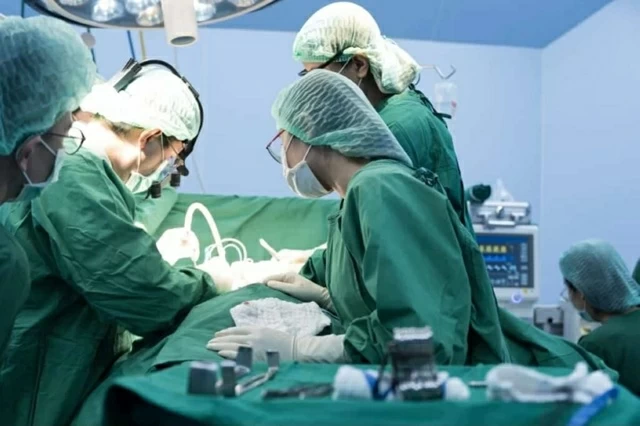
في واقعة طبية نادرة أثارت ذهول الأوساط العلمية، وقف أطباء في أستراليا أمام حالة فريدة من نوعها عقب الاختفاء التام لسرطان الجلد «الميلانوما» في مرحلته الرابعة والقاتلة من جسد مريض ستيني، في سيناريو درامي غير متوقع أعقب خضوعه لجراحة في القلب.
كان المريض الأسترالي، الذي أشارت إليه دراسة حالة نشرتها مجلة «BMJ» الطبية باسم «السيد A»، يعاني من مرحلة متقدمة جداً من المرض بعدما انتشرت الأورام السرطانية في أعضاء حيوية شملت الكبد وعظم الفخذ وعدداً من العقد الليمفاوية. ورغم خضوعه لعلاجات مكثفة بينها العلاج الكيميائي، اضطر إلى إيقاف العلاج كلياً بسبب آثاره الجانبية الشديدة، دون تسجيل استجابة واضحة للأورام.
وأثناء رحلة علاجه، احتاج الرجل إلى إجراء جراحة عاجلة في القلب نتيجة ضيق خطير في أحد الصمامات، وأصيب بعدها بعدوى بكتيرية. لكن الصدمة الكبرى تجلت بعد مرور عدة أشهر، إذ أظهرت الفحوصات والأشعة الدقيقة أن الأورام السرطانية اختفت بالكامل من أنحاء جسده كافة، في لحظة اختلطت فيها مشاعر الذهول بالارتياح التام لدى المريض وأطبائه.
ويرجح الباحثون فرضية مفادها أن الجراحة والعدوى البكتيرية تسببتا في تغير مفاجئ وجذري داخل المنظومة المناعية للمريض. وتشير الفرضية إلى أن هذه العوامل ربما أعادت «تنشيط» خلايا الدم البيضاء، وجعلت جهاز المناعة قادراً على التعرف على الخلايا السرطانية ومهاجمتها بشراسة، بعدما كان المرض قد نجح في التخفي والهروب منها سابقاً.
ما يعزز هذا التحول المناعي الغريب، هو ما وقع للرجل بعد عامين من جراحة القلب، إذ تعرض إلى لسعة نحلة أدت إلى إصابته بالتهاب شديد ونوبة حساسية حادة هددت حياته، رغم تأكيده أنه تعرض للسعات النحل عشرات المرات سابقاً دون أن يشكي من أي حساسية. ورأى الفريق الطبي أن ظهور الحساسية الجديدة يمثل دليلاً إضافياً على إعادة تشكيل فرط النشاط المناعي الذي قضى على الورم وتفاعل بشدة مع مواد لم يكن يتحسس منها في الماضي.
ورغم شدة غرابة الحالة، أكد الباحثون أنها تظل حالة فردية نادرة لا تثبت أن جراحة القلب سبب مباشر ومضمون لعلاج السرطان، لكنها تفتح آفاقاً بحثية واعدة لفهم أسرار الجهاز المناعي وكيفية الاستفادة منه لمهاجمة الأورام المستعصية مستقبلاً.
In a rare medical incident that astonished the scientific community, doctors in Australia faced a unique case following the complete disappearance of stage four and deadly skin cancer "melanoma" from the body of a sixty-year-old patient, in an unexpected dramatic scenario that followed his heart surgery.
The Australian patient, referred to in a case study published by the medical journal "BMJ" as "Mr. A," was suffering from a very advanced stage of the disease after cancerous tumors had spread to vital organs including the liver, femur, and several lymph nodes. Despite undergoing intensive treatments including chemotherapy, he had to stop the treatment entirely due to severe side effects, without showing any clear response to the tumors.
During his treatment journey, the man required urgent heart surgery due to severe narrowing of one of the valves, and afterward, he developed a bacterial infection. However, the major shock came several months later, as tests and precise scans revealed that the cancerous tumors had completely disappeared from all parts of his body, in a moment where feelings of astonishment mixed with complete relief for both the patient and his doctors.
Researchers hypothesize that the surgery and the bacterial infection caused a sudden and radical change within the patient's immune system. The hypothesis suggests that these factors may have "re-activated" the white blood cells, enabling the immune system to recognize and aggressively attack the cancer cells, after the disease had previously managed to hide and evade them.
What reinforces this strange immune transformation is what happened to the man two years after the heart surgery, as he was stung by a bee, resulting in severe inflammation and a life-threatening acute allergic reaction, despite his assurance that he had been stung by bees dozens of times before without any allergic complaints. The medical team viewed the emergence of this new allergy as additional evidence of the reformation of hyperactive immunity that eradicated the tumor and reacted strongly to substances he had not been allergic to in the past.
Despite the extreme strangeness of the case, researchers confirmed that it remains a rare individual case that does not prove that heart surgery is a direct and guaranteed cause of cancer treatment, but it opens promising research avenues to understand the secrets of the immune system and how to utilize it to attack intractable tumors in the future.