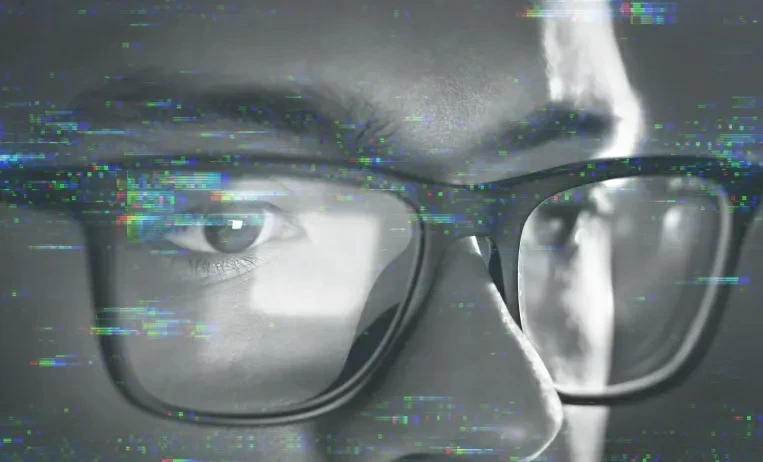
تتجه الأنظار نحو طفرة تكنولوجية غير مسبوقة بعد إعلان إيلون ماسك الاستعداد لزرع أولى شرائح الرؤية الذكية داخل أدمغة البشر خلال عام واحد، في خطوة يصفها مختصون وخبراء أعصاب بأنها قد تغيّر مستقبل التعامل مع الإعاقة البصرية، وتعيد رسم حدود ما يمكن للعلم تحقيقه داخل الدماغ البشري.
ويرى علماء أن هذه الشريحة تعتمد على إرسال إشارات مباشرة إلى القشرة البصرية في الدماغ، متجاوزة المسار التقليدي للرؤية الذي يبدأ من العين ثم الشبكية، فالعصب البصري وصولًا إلى مركز الإبصار. ووفقًا للتصور العلمي، يمكن لهذه الإشارات الاصطناعية أن تحاكي الإشارات الطبيعية التي يستقبلها المخ، ما يمنح بعض فاقدي البصر فرصة لرؤية محيطهم من جديد.
ويؤكد خبراء الأعصاب أن التقنية لا تزال في مرحلة التجارب، وأن الحديث عن «استعادة البصر» أو «قدرات بصرية خارقة» يجب أن يبقى ضمن حدود ما أثبتته الأبحاث، لا ما تتداوله التوقعات. فالتعامل مع الجهاز العصبي المركزي يُعد من أعقد التحديات الطبية؛ نظرًا لعدم قدرة خلايا المخ على التجدد مثل بقية أنسجة الجسم، ما يجعل إصلاح التلف العصبي مهمة شديدة الحساسية.
ويشير مختصون إلى أن نجاح هذه الشرائح مستقبلًا قد يفتح الباب أمام ثورة علاجية في حالات فقدان البصر، لكن الانتقال من التجارب الأولية إلى الاستخدام الطبي الواسع يتطلب سنوات من الدراسات للتأكد من الأمان والفاعلية، وقدرة الدماغ على تفسير الإشارات الاصطناعية بصورة مفهومة دون مضاعفات غير متوقعة.
وفي المقابل، يوضح خبراء في التقنيات المساعدة أن فكرة دعم المكفوفين بالتكنولوجيا ليست جديدة، إذ تعتمد التطبيقات الحالية على الكاميرات والذكاء الاصطناعي لوصف الأشياء للمستخدم. لكنهم يشددون على أن الفارق كبير بين الأدوات الخارجية وبين زراعة جهاز داخل الدماغ، لأن الأخيرة تتطلب التحكم الدقيق في الإشارات العصبية، وتخضع لمستويات أعلى من اختبارات الأمان.
ويحذر مختصون من أن أي خطأ في تصميم الشريحة أو طريقة إرسال الإشارات قد يؤدي إلى نتائج غير محسوبة، لأن الجهاز يصبح جزءًا من منظومة عصبية بالغة الحساسية. ويؤكدون أن الهدف يجب أن يظل تحسين حياة الإنسان، لا تجاوز الحدود الفسيولوجية دون ضمانات كافية.
All eyes are on an unprecedented technological breakthrough following Elon Musk's announcement of readiness to implant the first smart vision chips into human brains within a year, a step that specialists and neuroscientists describe as potentially changing the future of dealing with visual impairment and redrawing the boundaries of what science can achieve within the human brain.
Scientists believe that this chip relies on sending direct signals to the visual cortex in the brain, bypassing the traditional pathway of vision that starts from the eye, then the retina, the optic nerve, and finally reaching the visual center. According to the scientific concept, these artificial signals can mimic the natural signals received by the brain, giving some visually impaired individuals the chance to see their surroundings again.
Neuroscientists emphasize that the technology is still in the experimental stage, and discussions about "restoring sight" or "superior visual abilities" should remain within the limits of what research has proven, not what predictions suggest. Dealing with the central nervous system is considered one of the most complex medical challenges; due to the inability of brain cells to regenerate like other body tissues, making the repair of neural damage a highly sensitive task.
Experts point out that the future success of these chips could open the door to a therapeutic revolution in cases of vision loss, but transitioning from initial trials to widespread medical use requires years of studies to ensure safety and effectiveness, as well as the brain's ability to interpret artificial signals in a comprehensible manner without unexpected complications.
Conversely, experts in assistive technologies clarify that the idea of supporting the visually impaired with technology is not new, as current applications rely on cameras and artificial intelligence to describe objects to the user. However, they stress that there is a significant difference between external tools and implanting a device inside the brain, as the latter requires precise control over neural signals and is subject to higher levels of safety testing.
Specialists warn that any error in the design of the chip or the method of sending signals could lead to unpredictable outcomes, as the device becomes part of an extremely sensitive nervous system. They affirm that the goal should remain to improve human life, not to exceed physiological limits without sufficient guarantees.