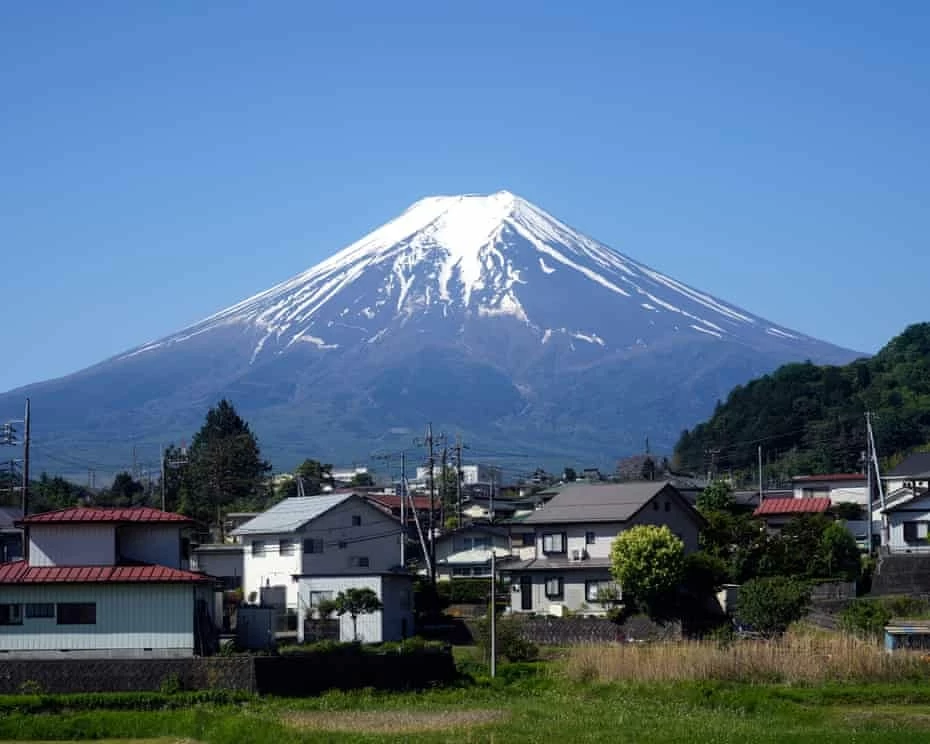
في واقعة أثارت انتقادات واسعة، اضطرت الشرطة اليابانية إلى التدخل بعد أن ترك أب نجله البالغ من العمر 7 سنوات وحيدًا على جبل فوجي، بعدما شعر الطفل بالإرهاق أثناء رحلة تسلق عائلية، قبل أن تعثر عليه إحدى العاملات في المنطقة وتتولى رعايته.
وعثرت عاملة على الطفل، الخميس، جالسًا بمفرده على مقعد بالقرب من المحطة السادسة لمسار فوجينوميا، على ارتفاع يتجاوز 2000 متر فوق سطح البحر، وفق ما نقلته تقارير محلية.
ودعت العاملة الطفل إلى الاحتماء داخل المحطة، قبل أن تتصل بالشرطة التي نقلته إلى مكان آمن ووضعته تحت الحماية المؤقتة.
تركه مع وجبة خفيفة ومشروب
وكشفت المعلومات الأولية أن الطفل كان برفقة والده وشقيقه الأكبر في رحلة لتسلق جبل فوجي خلال ساعات الصباح الأولى، لكنه أبلغ والده بأنه لم يعد قادرًا على مواصلة الصعود بسبب شعوره بالتعب.
وأعطى الأب نجله بعض الوجبات الخفيفة ومشروبًا غازيًا، ثم طلب منه الانتظار في مكانه، قبل أن يواصل الصعود إلى القمة برفقة الابن الأكبر الذي كان قد سبقهم في الطريق.
وبحسب التقارير المحلية، كان من المتوقع أن تستغرق رحلة الأب نحو 5 ساعات للوصول إلى القمة، فيما كان سيحتاج إلى نحو 8 ساعات للعودة إلى المكان الذي ترك فيه نجله.
وعندما تمكنت الشرطة من التواصل مع الأب، كان قد وصل بالفعل إلى المحطة الثامنة، التي تبعد نحو 3 ساعات سيرًا على الأقدام عن المكان الذي ترك فيه الطفل.
وطلبت الشرطة من الأب العودة فورًا، وبعد وصوله جرى لم شمله مع نجله، فيما وجهت إليه الشرطة توبيخًا بسبب ترك الطفل بمفرده على جبل فوجي، وهو بركان نشط.
ونقلت وسائل إعلام يابانية عن الشرطة قولها إن ترك طفل بمفرده أمر غير مقبول، حتى لو كان ذلك يعني التخلي عن استكمال رحلة تسلق الجبل معًا.
الأب يعتذر: «قرار متسرع»
وأعرب الأب، وهو من مدينة ناغويا، رابع أكبر مدن اليابان، عن اعتذاره للشرطة، قائلًا: «اتخذت قرارًا متسرعًا، وأنا أشعر بندم عميق».
وشددت الشرطة المحلية على المتنزهين بضرورة مراعاة قدرات جميع أفراد المجموعة ومستويات تحملهم البدني عند التخطيط لتسلق جبل فوجي، مع ضرورة تعديل سرعة الصعود وفقًا لقدرات كل شخص.
وتكتسب الواقعة أهمية خاصة بسبب الظروف المناخية المتقلبة على جبل فوجي، الذي يتمتع بمناخ محلي خاص يمكن أن يتغير بسرعة، فيما يمثل انخفاض حرارة الجسم خطرًا حقيقيًا على المتنزهين حتى خلال فصل الصيف.
In an incident that sparked widespread criticism, the Japanese police had to intervene after a father left his 7-year-old son alone on Mount Fuji, after the child felt exhausted during a family climbing trip, before a local worker found him and took care of him.
A worker found the child on Thursday, sitting alone on a bench near the sixth station of the Fujinomiya trail, at an altitude of over 2000 meters above sea level, according to local reports.
The worker invited the child to take shelter inside the station, before calling the police, who took him to a safe place and placed him under temporary protection.
Left with a snack and a drink
Initial information revealed that the child was with his father and older brother on a climbing trip to Mount Fuji during the early morning hours, but he informed his father that he could no longer continue climbing due to feeling tired.
The father gave his son some snacks and a soft drink, then asked him to wait in his spot, before continuing to the summit with the older son who had gone ahead on the trail.
According to local reports, the father's journey was expected to take about 5 hours to reach the summit, while he would need about 8 hours to return to the place where he left his son.
When the police managed to contact the father, he had already reached the eighth station, which is about a 3-hour walk from where he left the child.
The police asked the father to return immediately, and upon his arrival, he was reunited with his son, while the police reprimanded him for leaving the child alone on Mount Fuji, an active volcano.
Japanese media reported the police saying that leaving a child alone is unacceptable, even if it means abandoning the completion of the mountain climbing trip together.
Father apologizes: "A hasty decision"
The father, who is from Nagoya, Japan's fourth-largest city, expressed his apology to the police, saying: "I made a hasty decision, and I feel deep regret."
The local police emphasized to hikers the importance of considering the abilities of all group members and their physical endurance levels when planning to climb Mount Fuji, with the need to adjust the climbing pace according to each person's capabilities.
The incident is particularly significant due to the unpredictable weather conditions on Mount Fuji, which has a unique local climate that can change rapidly, while hypothermia poses a real danger to hikers even during the summer.