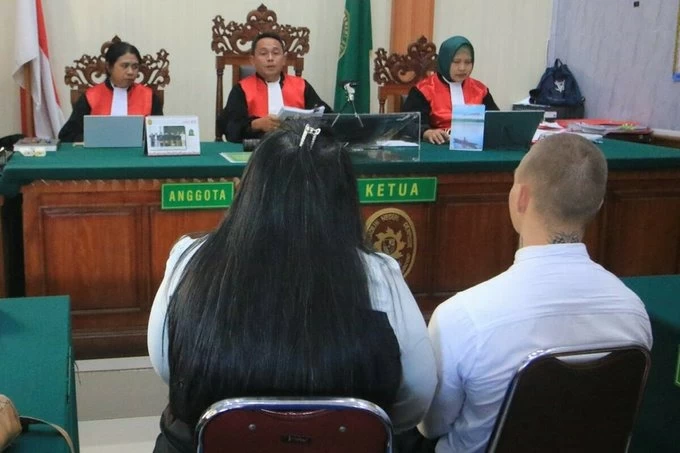
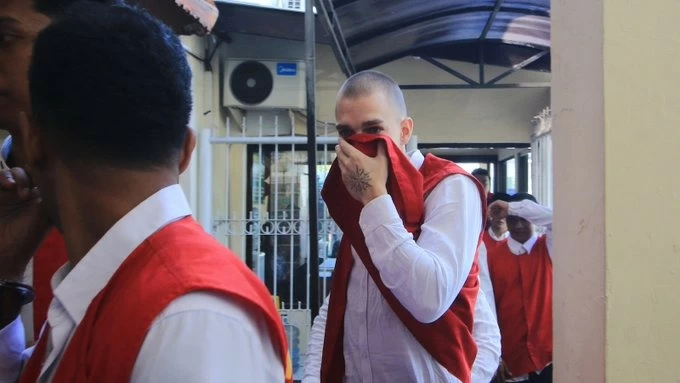
قضت محكمة إندونيسية بسجن سائح سويسري لمدة عام، بعد إدانته بإهانة طقس ديني مقدس في جزيرة بالي، إثر نشره مقطعاً مصوراً ظهر فيه وهو يخالف القيود المفروضة خلال «يوم الصمت» الهندوسي، في واقعة أثارت غضباً واسعاً بين السكان.
ويعود الحكم إلى السائح لوزيان أندرين زغراجن، البالغ من العمر 26 عاماً، الذي اعتقل في مارس الماضي بعدما نشر عبر مواقع التواصل الاجتماعي مقطعاً يظهره وهو يتجه إلى شاطئ خالٍ خلال عطلة «نيبي»، واصفاً المشهد بأنه «جنوني»، قبل أن يحذف الفيديو لاحقاً.
وأثار المقطع ردود فعل غاضبة في بالي، بعدما اعتبر السكان أن السائح لم يكتفِ بخرق القيود المرتبطة بالمناسبة الدينية، بل أساء إلى تقاليد الجزيرة ومعتقدات سكانها، خصوصاً مع استخدامه عبارات بذيئة في المنشور.
ويُعرف «نيبي» باسم «يوم الصمت»، وهو أحد أهم المناسبات في التقويم الهندوسي في بالي، حيث تدخل الجزيرة في حالة من السكون لمدة 24 ساعة تقريباً، ويلتزم السكان بالبقاء في منازلهم والامتناع عن الأنشطة التي تحدث ضوضاء أو حركة في الأماكن العامة.
وتُطبق القيود على الجميع، بمن في ذلك الزوار الأجانب، إذ تتوقف الرحلات الجوية من وإلى الجزيرة، وتُغلق معظم الأنشطة التجارية والترفيهية، كما تُفرض قيود على الحركة واستخدام بعض الخدمات، فيما يستعد السكان مسبقاً بالبقاء في منازلهم طوال فترة المناسبة.
وخلال المحاكمة، قال زغراجن إنه لم يكن يدرك مدى صرامة القواعد المرتبطة بـ«نيبي»، مؤكداً أنه لم يقصد الإساءة إلى سكان بالي أو معتقداتهم، وأعرب عن ندمه وقدم اعتذاره للشعب البالي.
لكن القاضي اعتبر أن تصرفاته تجاوزت مجرد مخالفة القواعد، موضحاً أن سلوك المتهم أساء إلى المجتمع البالي ومعتقداته وأثار غضباً عاماً، وهو ما استندت إليه المحكمة في إصدار حكمها.
ولا تعد هذه الواقعة الأولى التي يواجه فيها سائح عواقب بسبب مخالفة قواعد «يوم الصمت»، إذ سبق للسلطات في بالي اتخاذ إجراءات بحق أجانب انتهكوا القيود المفروضة خلال المناسبة، في إطار مساعيها لحماية التقاليد المحلية والحفاظ على احترام الطقوس الدينية.
وتأتي القضية في وقت تواجه فيه بالي تحديات متزايدة مرتبطة بالزيادة الكبيرة في أعداد السياح، بعدما تعافت حركة السفر الدولية عقب جائحة كورونا. واستقبلت الجزيرة العام الماضي نحو 7 ملايين سائح دولي، وفق البيانات الرسمية، ما أعاد السياحة إلى مستويات قياسية.
ومع هذا التدفق السياحي، تصاعدت شكاوى السكان والسلطات من سلوكيات اعتُبرت مخالفة للعادات والقوانين المحلية، من بينها انتهاك حرمة المواقع الدينية، ومخالفات المرور، وسلوكيات غير لائقة في الأماكن العامة، الأمر الذي دفع السلطات إلى تشديد الرقابة على السياح والتعهد باتخاذ إجراءات أكثر صرامة ضد المخالفين.
An Indonesian court sentenced a Swiss tourist to one year in prison after he was convicted of insulting a sacred religious ceremony on the island of Bali, following his posting of a video in which he violated the restrictions imposed during the Hindu "Day of Silence," an incident that sparked widespread anger among the locals.
The ruling pertains to the tourist, Luzian Andrin Zgrajan, a 26-year-old who was arrested in March after he posted on social media a video showing him heading to an empty beach during the "Nyepi" holiday, describing the scene as "crazy," before later deleting the video.
The video provoked angry reactions in Bali, as locals felt that the tourist not only violated the restrictions associated with the religious occasion but also disrespected the island's traditions and the beliefs of its residents, especially with his use of vulgar phrases in the post.
"Nyepi," known as the "Day of Silence," is one of the most important occasions in the Hindu calendar in Bali, where the island enters a state of silence for nearly 24 hours, and residents commit to staying in their homes and refraining from activities that create noise or movement in public places.
The restrictions apply to everyone, including foreign visitors, as flights to and from the island are halted, most commercial and entertainment activities are closed, and movement and the use of certain services are restricted, while residents prepare in advance to stay in their homes throughout the duration of the occasion.
During the trial, Zgrajan stated that he was unaware of the strictness of the rules associated with "Nyepi," affirming that he did not intend to offend the people of Bali or their beliefs, and expressed his regret and apologized to the Balinese people.
However, the judge considered that his actions went beyond merely violating the rules, explaining that the defendant's behavior insulted the Balinese community and its beliefs and incited public outrage, which the court relied upon in issuing its ruling.
This incident is not the first time a tourist has faced consequences for violating the rules of the "Day of Silence," as authorities in Bali have previously taken action against foreigners who breached the restrictions imposed during the occasion, as part of their efforts to protect local traditions and maintain respect for religious rituals.
The case comes at a time when Bali is facing increasing challenges related to the significant rise in tourist numbers, after international travel recovered following the COVID-19 pandemic. The island welcomed around 7 million international tourists last year, according to official data, bringing tourism back to record levels.
With this influx of tourists, complaints from residents and authorities about behaviors considered violations of local customs and laws have escalated, including disrespecting religious sites, traffic violations, and inappropriate behavior in public places, prompting authorities to tighten monitoring of tourists and pledge to take stricter measures against violators.