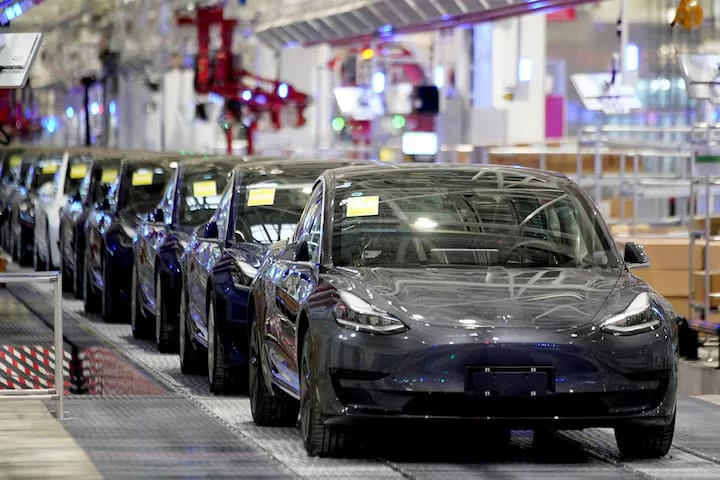
في تحرك واسع يعكس تشدد السلطات الصينية تجاه معايير السلامة في السيارات الكهربائية، أعلنت 11 شركة لصناعة السيارات، من بينها تسلا و«شاومي»، اليوم (الجمعة)، إطلاق تحديثات برمجية وحملات استدعاء لمركباتها، في ما وصف بأنه أكبر استدعاء للسيارات في تاريخ الصين، على خلفية مخاوف تتعلق بأنظمة فتح الأبواب في حالات الطوارئ.
وتتركز معظم الإجراءات على مقابض الفتح الميكانيكية الطارئة، وسط مخاوف من صعوبة العثور عليها أو استخدامها في حالات الحوادث، خصوصًا عندما يتعرض النظام الكهربائي للسيارة للتعطل.
تسلا تستدعي نحو 3 ملايين سيارة
وأعلنت شركة تسلا استدعاء نحو 2.98 مليون سيارة مصنعة في الصين أو مستوردة إليها، اعتبارًا من 25 سبتمبر، وفقًا لبيان صادر عن الإدارة الصينية لتنظيم السوق.
ويشمل الاستدعاء طرازات Model 3 وModel Y وModel S وModel X، بعدما خلصت الجهات التنظيمية إلى أن مقابض فتح الأبواب الميكانيكية المخصصة للطوارئ قد يصعب تحديد مكانها عقب وقوع تصادم شديد مصحوب بتعطل النظام الكهربائي.
وقد يؤدي ذلك، وفق السلطات، إلى عرقلة خروج الركاب من السيارة أو صعوبة وصول فرق الإنقاذ إليهم.
وتتضمن معالجة المشكلة لدى تسلا وضع ملصقات تحذيرية توضح أماكن مقابض الطوارئ، إلى جانب إطلاق تحديث برمجي عن بُعد «OTA» يعمل على خفض نوافذ السيارة تلقائيًا بعد وقوع حادث.
«شاومي» و9 شركات تعتمد ملصقات تحذيرية
ولا تقتصر الحملة على تسلا، إذ أعلنت 9 شركات من أصل 11 شركة مشاركة، من بينها «شاومي»، تركيب ملصقات تحذيرية مجانية تساعد السائقين والركاب على تحديد أماكن مقابض فتح الأبواب في حالات الطوارئ.
كما ستطرح غالبية الشركات تحديثات برمجية عن بُعد لمعالجة الجوانب المرتبطة بالسلامة.
وبحسب إفصاحات الشركات المقدمة إلى الإدارة الصينية لتنظيم السوق، سجلت 6 علامات تجارية على الأقل، من بينها تسلا و«شاومي» وLeapmotor وXpeng وZeekr وLynk & Co، أكبر عمليات استدعاء في تاريخها.
الصين تشدد الرقابة على السيارات الكهربائية
وتأتي هذه الحملة الضخمة في وقت تكثف فيه بكين رقابتها على قطاع السيارات الكهربائية، بالتزامن مع فرض متطلبات أكثر صرامة للسلامة، بينما تتنافس الشركات بقوة في أكبر سوق للسيارات في العالم.
وتثير السرعة التي تطور بها شركات السيارات تقنيات جديدة، إلى جانب حرب الأسعار الشرسة، اهتمام الجهات التنظيمية الصينية بضرورة التأكد من أن الابتكارات الجديدة لا تأتي على حساب سلامة الركاب.
حظر مقابض الأبواب المخفية في 2027
وفي خطوة مرتبطة بالمخاوف نفسها، تستعد الصين اعتبارًا من 2027 لحظر استخدام مقابض الأبواب المخفية أو غير الظاهرة في السيارات، لتصبح بذلك أول دولة تتجه إلى التخلص التدريجي من هذا التصميم الذي ارتبط بشكل كبير بسيارات تسلا وانتشر على نطاق واسع في السيارات الكهربائية الصينية.
ويتيح هذا التصميم فتح الأبواب باستخدام مفتاح إلكتروني أو هاتف ذكي أو آلية تعتمد على الضغط، لكنه واجه تدقيقًا متزايدًا من الجهات التنظيمية في الصين والولايات المتحدة بسبب المخاوف من صعوبة الوصول إلى المقابض في حالات الطوارئ، خصوصًا بعد الحوادث التي قد تؤدي إلى انقطاع الطاقة الكهربائية.
وتعكس الإجراءات الجديدة تحولًا متزايدًا في تعامل السلطات الصينية مع سلامة السيارات الكهربائية، مع التركيز ليس فقط على أداء المركبات وتقنياتها، وإنما أيضًا على قدرة الركاب وفرق الإنقاذ على التعامل معها بأمان في اللحظات الحرجة.
In a wide-ranging move reflecting the Chinese authorities' strict stance on safety standards for electric vehicles, 11 car manufacturers, including Tesla and Xiaomi, announced today (Friday) the launch of software updates and recall campaigns for their vehicles, in what has been described as the largest car recall in China's history, amid concerns regarding emergency door opening systems.
Most of the measures focus on emergency mechanical door handles, amid fears that they may be difficult to locate or use in accident situations, especially when the vehicle's electrical system fails.
Tesla recalls nearly 3 million vehicles
Tesla announced the recall of approximately 2.98 million vehicles manufactured in China or imported to it, effective from September 25, according to a statement from the Chinese market regulation administration.
The recall includes Model 3, Model Y, Model S, and Model X, after regulators concluded that the emergency mechanical door handles may be difficult to locate following a severe collision accompanied by an electrical system failure.
This could, according to authorities, hinder passengers from exiting the vehicle or make it difficult for rescue teams to reach them.
Tesla's solution to the problem includes placing warning labels indicating the locations of the emergency handles, along with launching a remote "OTA" software update that automatically lowers the vehicle windows after an accident.
Xiaomi and 9 companies adopt warning labels
The campaign is not limited to Tesla, as 9 out of the 11 participating companies, including Xiaomi, announced the installation of free warning labels to help drivers and passengers identify the locations of emergency door opening handles.
Most companies will also roll out remote software updates to address safety-related aspects.
According to disclosures made to the Chinese market regulation administration, at least 6 brands, including Tesla, Xiaomi, Leapmotor, Xpeng, Zeekr, and Lynk & Co, recorded the largest recalls in their history.
China tightens oversight on electric vehicles
This massive campaign comes at a time when Beijing is intensifying its oversight of the electric vehicle sector, coinciding with the imposition of stricter safety requirements, while companies fiercely compete in the world's largest car market.
The speed at which car manufacturers are developing new technologies, along with the fierce price war, has drawn the attention of Chinese regulators to ensure that new innovations do not come at the expense of passenger safety.
Ban on hidden door handles in 2027
In a move related to the same concerns, China is preparing to ban the use of hidden or non-visible door handles in vehicles starting in 2027, becoming the first country to phase out this design, which has been closely associated with Tesla cars and widely adopted in Chinese electric vehicles.
This design allows doors to be opened using an electronic key, smartphone, or a pressure-based mechanism, but it has faced increasing scrutiny from regulators in China and the United States due to concerns about the difficulty of accessing the handles in emergencies, especially after accidents that may lead to power outages.
The new measures reflect a growing shift in how Chinese authorities are addressing the safety of electric vehicles, focusing not only on vehicle performance and technology but also on the ability of passengers and rescue teams to handle them safely in critical moments.