بالتزامن مع اليوم العالمي للتصوير الفوتوغرافي، الذي يوافق 19 أغسطس، اختتمت محمية الأمير محمد بن سلمان الملكية برنامجاً امتد ستة أشهر، وضع الكاميرا في أيدي العاملين في الميدان، لتوثيق المحمية من داخلها، بما تجمعه من طبيعة وحياة فطرية وبيئة بحرية وإنسان وموروث محلي.
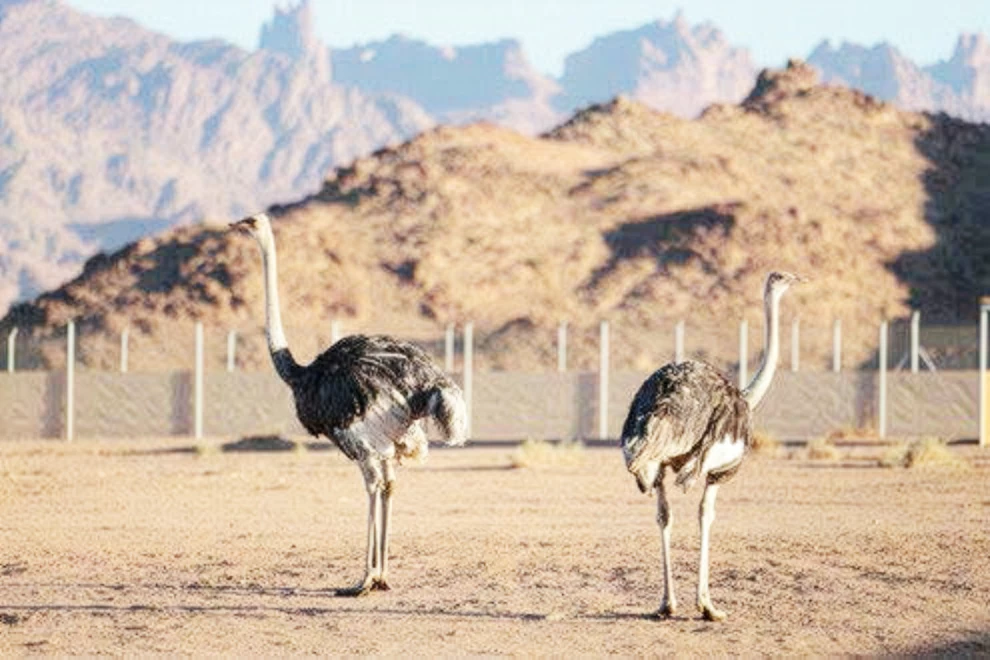
وشارك في التجربة مفتشون بيئيون وبحريون وخبراء في الأحياء والتنمية المجتمعية، التقطوا خلال عملهم اليومي صوراً توثق تفاصيل المكان وجهود الحفاظ عليه، من الحياة اليومية والموروث المحلي إلى مشاريع إعادة توطين النعام أحمر الرقبة والأرنب البري العربي والحبارى الآسيوية. وبدأ البرنامج بـ36 مشاركاً، قبل اختيار 13 منهم للتدريب المتقدم على التصوير الاحترافي.
وتكشف حصيلة الصور جانباً من التنوع الذي تتميز به المحمية الممتدة على مساحة 24,500 كيلومتر مربع، من السهول البركانية إلى البحر الأحمر، وتضم 15 نظاماً بيئياً وأكثر من 50% من أنواع الثدييات والطيور المسجلة في المملكة، وفق بيانات المحمية.
ومن بين المشاهد التي وثقتها عدسات العاملين، الدلافين الدوارة في مياه البحر الأحمر، ومواقع تعشيش السلاحف، ومشروع إعادة توطين النعام أحمر الرقبة، وتفاصيل من الموروث المحلي في قرية أشواق. كما سجل مدير التنوع الحيوي والأبحاث علي الفقيه عام 2025 أول رصد للعقاب أبيض الذنب في المملكة منذ أكثر من 20 عاماً.
وعرضت المحمية الأعمال الفوتوغرافية في ضباء والوجه، بالتزامن مع أعمال مسابقة فنية مدرسية شارك فيها أكثر من 1,000 من أبناء المجتمع المحلي، فيما تستعد لإقامة معرض وطني للتصوير الفوتوغرافي عام 2027، وإضافة مسار لإنتاج الفيديو ضمن برامجها التطويرية.
Coinciding with World Photography Day, which falls on August 19, the Prince Mohammed bin Salman Royal Reserve concluded a six-month program that put cameras in the hands of field workers to document the reserve from within, capturing its nature, wildlife, marine environment, human presence, and local heritage.
Environmental and marine inspectors, as well as experts in biology and community development, participated in the experience, taking photos during their daily work that document the details of the place and efforts to preserve it, from daily life and local heritage to projects for the relocation of the red-necked ostrich, the Arabian hare, and the Asian houbara. The program started with 36 participants, before selecting 13 of them for advanced training in professional photography.
The collection of photos reveals a glimpse of the diversity that characterizes the reserve, which spans an area of 24,500 square kilometers, from volcanic plains to the Red Sea, and includes 15 ecosystems and over 50% of the mammal and bird species recorded in the Kingdom, according to reserve data.
Among the scenes captured by the workers' lenses are the spinning dolphins in the waters of the Red Sea, turtle nesting sites, the red-necked ostrich relocation project, and details of local heritage in the village of Ashwaq. Additionally, the Director of Biodiversity and Research, Ali Al-Faqih, recorded in 2025 the first sighting of the white-tailed eagle in the Kingdom in over 20 years.
The reserve showcased the photographic works in Dhuba and Al-Wajh, coinciding with a school art competition that involved more than 1,000 local community members, while preparing to hold a national photography exhibition in 2027 and adding a video production track to its development programs.