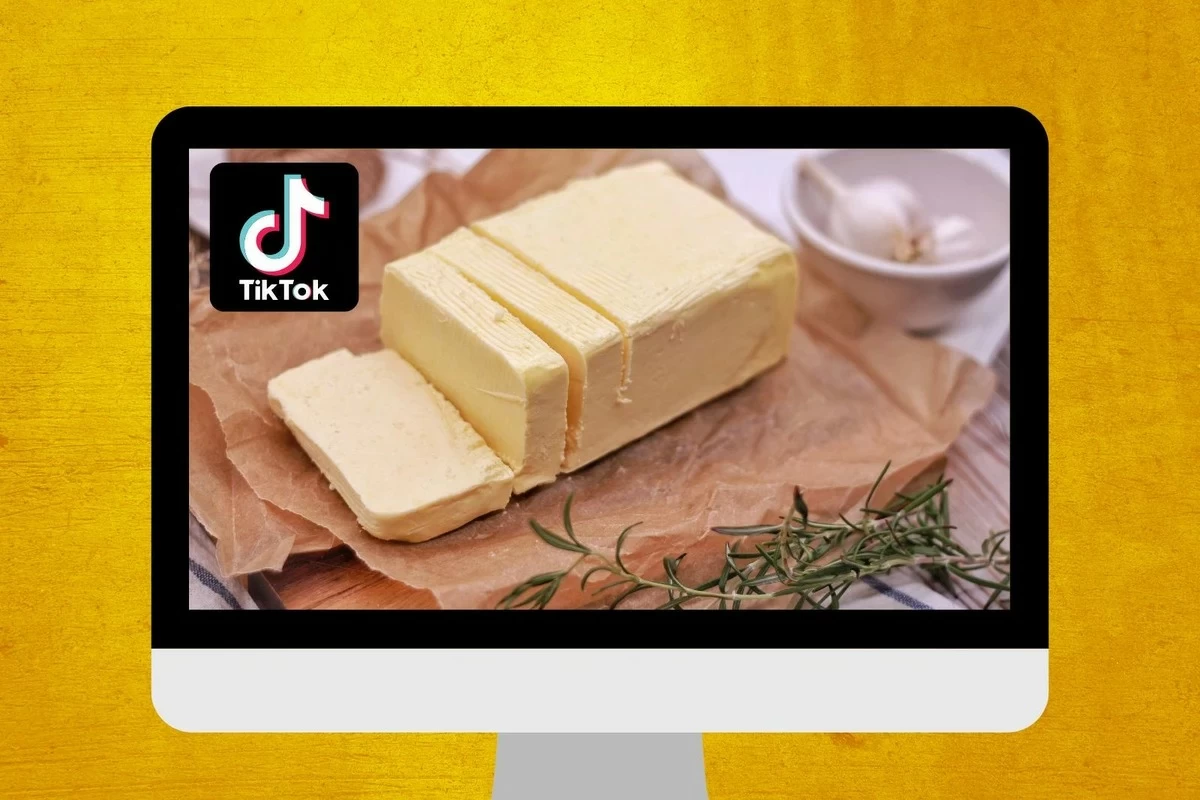
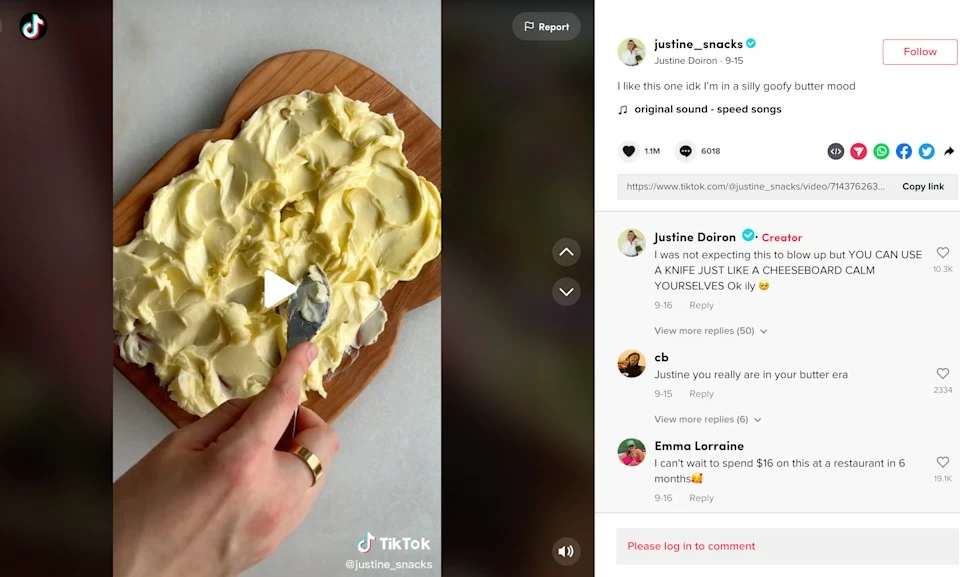
حذّر خبراء تغذية من مخاطر صحية قد تنجم عن موجة جديدة اجتاحت منصة «تيك توك»، بعدما تحولت الزبدة من مكون يستخدم في الطهي إلى محور لمقاطع فيديو يستهلك فيها مؤثرون كميات كبيرة منها، في محتوى حصد ملايين المشاهدات وأثار جدلاً واسعاً.
وانتشرت خلال الأيام الماضية مقاطع يظهر فيها صناع محتوى وهم يتناولون قوالب كاملة أو كميات كبيرة من الزبدة، أحياناً بعد غمسها في أنواع مختلفة من الصلصات، في محاولة لجذب التفاعل وتحقيق نسب مشاهدة مرتفعة.
وكانت صانعة المحتوى ماري ألكسيس من أبرز الوجوه التي ساهمت في انتشار هذا الاتجاه، بعدما تجاوزت مشاهدات مقاطعها 10 ملايين مشاهدة، ما دفع عدداً كبيراً من المستخدمين إلى تقليدها.
وحذّرت صوفي ميدلين، استشارية التغذية في مؤسسة «سيتي دايتيشنز» البريطانية من أن الإفراط في تناول الزبدة بشكل يومي قد يؤدي إلى ارتفاع مستويات الكوليسترول الضار، وزيادة خطر الإصابة بأمراض القلب والسكتات الدماغية، فضلاً عن التسبب في زيادة الوزن نتيجة احتوائها على نسب مرتفعة من الدهون المشبعة والسعرات الحرارية.
وأوضحت أن تناول الزبدة بين الحين والآخر لا يمثل مشكلة، لكن تحويلها إلى عنصر أساسي في كل وجبة يحرم الجسم من أطعمة أكثر فائدة، مثل الخضراوات والحبوب الكاملة، مؤكدة أن النمط الغذائي المتوازن هو العامل الحاسم في الحفاظ على الصحة.
وأشار الخبراء إلى أن قالب زبدة يزن نحو 250 غراماً يحتوي على ما يقارب 1860 سعرة حرارية، وهي كمية تعادل الاحتياج اليومي لشخص بالغ، إضافة إلى نحو 130 غراماً من الدهون المشبعة، وهو ما يتجاوز عدة أضعاف الكمية اليومية الموصى بها.
ورغم ذلك، يؤكد المختصون أن الزبدة تحتوي على عناصر غذائية مفيدة، منها فيتامينات A وB12 وكميات من فيتاميني D وE، لكنها ليست المصدر الوحيد لهذه العناصر، ويمكن الحصول عليها من بدائل أكثر فائدة وأقل احتواء على الدهون المشبعة، وفي مقدمتها زيت الزيتون الذي تشير الدراسات إلى دوره في خفض الكوليسترول وتقليل مخاطر أمراض القلب.
ويعود انتشار الاهتمام بالزبدة إلى أواخر العقد الأول من الألفية، مع ظهور ما يعرف بـ«القهوة المقاومة للرصاص» التي تمزج القهوة بالزبدة باعتبارها وسيلة لتعزيز الشعور بالشبع والتركيز.
إلا أن خبراء التغذية يؤكدون أن استهلاكها يجب أن يظل في حدود الاعتدال، محذّرين من الانسياق وراء الترندات الغذائية على وسائل التواصل الاجتماعي دون الاستناد إلى توصيات علمية، لأن العادات اليومية هي التي تحدد التأثير الحقيقي على صحة الإنسان.
Nutrition experts have warned of health risks that may arise from a new trend sweeping the "TikTok" platform, as butter has transformed from a cooking ingredient to the focus of videos in which influencers consume large quantities of it, in content that has garnered millions of views and sparked widespread controversy.
In recent days, clips have circulated showing content creators consuming whole blocks or large amounts of butter, sometimes after dipping it in various types of sauces, in an attempt to attract engagement and achieve high viewership.
Content creator Marie Alexis was one of the prominent faces contributing to the spread of this trend, as her videos surpassed 10 million views, prompting a large number of users to imitate her.
Sophie Medlin, a nutrition consultant at the British organization "City Dietitians," warned that excessive daily consumption of butter could lead to increased levels of harmful cholesterol and a higher risk of heart disease and strokes, in addition to causing weight gain due to its high content of saturated fats and calories.
She clarified that consuming butter occasionally is not a problem, but making it a staple in every meal deprives the body of more beneficial foods, such as vegetables and whole grains, emphasizing that a balanced diet is the key factor in maintaining health.
Experts noted that a block of butter weighing about 250 grams contains approximately 1860 calories, which is equivalent to the daily requirement for an adult, along with about 130 grams of saturated fat, which exceeds several times the recommended daily amount.
Despite this, specialists affirm that butter contains beneficial nutrients, including vitamins A and B12 and amounts of vitamins D and E, but it is not the only source of these nutrients, and they can be obtained from healthier alternatives with lower saturated fat content, foremost among them olive oil, which studies indicate plays a role in lowering cholesterol and reducing the risks of heart disease.
The resurgence of interest in butter dates back to the late 2000s, with the emergence of what is known as "bulletproof coffee," which blends coffee with butter as a means to enhance feelings of satiety and focus.
However, nutrition experts stress that its consumption should remain within moderate limits, warning against following food trends on social media without relying on scientific recommendations, as daily habits are what truly determine the impact on human health.