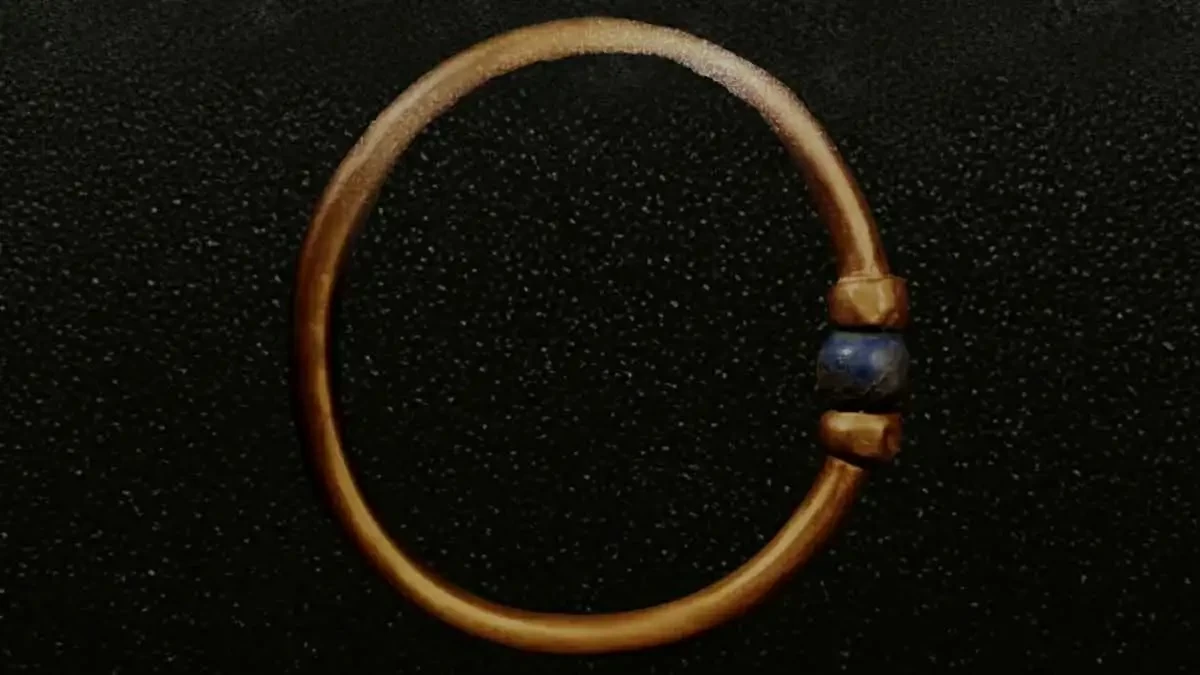
أسدلت محكمة النقض المصرية الستار على قضية سرقة السوار الذهبي الأثري من المتحف المصري، بعدما رفضت الطعن المقدم من المتهم الثاني (مالك محل مصوغات)، وأيدت الحكم الصادر بحقه بالسجن المشدد 15 عاماً.
وكانت محكمة الجنايات قد قضت في وقت سابق بالعقوبة المشددة ذاتها (15 عاماً) بحق المتهمة الأولى، وهي أخصائية ترميم بالمتحف، إلى جانب إغلاق ملف المتهمين الثالث والرابع بغرامة مالية قدرها 5 آلاف جنيه لكل منهما، عقب ثبوت حسن نيتهما وعدم درايتهما بالأصل الأثري للقطعة المباعة.
تفاصيل الجريمة وكواليس الاختلاس
ترجع وقائع القضية إلى سبتمبر 2025، عندما اهتز الوسط الأثري بنبأ اختفاء سوار ذهبي نادِر يعود إلى عصر الدولة الوسطى (يُقدر عمره بنحو 3 آلاف عام) من داخل معمل الترميم بالمتحف المصري بالتحرير.
وكشفت تحقيقات نيابة قصر النيل أن أخصائية الترميم استغلت صلاحياتها ومرورها بضائقة مالية، فاختلست السوار من الخزانة أثناء إعادتها قطعة أخرى بعد ترميمها. ولكي تُخفي معالم الجريمة، استخدمت آلة حادة لكسر الفص المثبت بالسوار للتخلص من الهوية الأثرية للقطعة وبيعها كذهب خام.
خط السير والبيع
توجهت المتهمة الأولى بالقطعة إلى المتهم الثاني (صاحب محل الصاغة) لعلاقة معرفة سابقة بينهما، وبدوره عرضها على مالك ورشة مشغولات ذهبية (المتهم الثالث). وأظهرت التحريات أن المتهم الثالث قام بوزن السوار (37.25 غرام) واشتراه بـ180 ألف جنيه.
وأكد المتهم الثالث في أقواله أنه تعامل مع الشراء بصفته «ذهب كسر» بين التجار دون المطالبة بفاتورة، ولم يكن يعلم مطلقاً أن القطعة أثرية أو مسروقة، وهو ما أيدته نتائج التحقيقات التي برأت المتهمين الثالث والرابع من الشبهة الجنائية المتعمدة، مع الاكتفاء بالغرامة المالية.
The Egyptian Court of Cassation has closed the curtain on the case of the theft of the ancient gold bracelet from the Egyptian Museum, after rejecting the appeal submitted by the second defendant (the owner of a jewelry store), and upheld the sentence issued against him of 15 years of hard labor.
The Criminal Court had previously issued the same strict penalty (15 years) against the first defendant, who is a restoration specialist at the museum, in addition to closing the case for the third and fourth defendants with a financial fine of 5,000 Egyptian pounds each, after proving their good faith and lack of knowledge regarding the archaeological nature of the sold piece.
Details of the Crime and the Circumstances of the Embezzlement
The events of the case date back to September 2025, when the archaeological community was shaken by the news of the disappearance of a rare gold bracelet dating back to the Middle Kingdom (estimated to be around 3,000 years old) from the restoration lab at the Egyptian Museum in Tahrir.
Investigations by the Qasr al-Nil Prosecution revealed that the restoration specialist exploited her authority and her financial distress, embezzling the bracelet from the safe while returning another piece after its restoration. To conceal the crime, she used a sharp tool to break the stone set in the bracelet to eliminate the archaeological identity of the piece and sell it as raw gold.
The Route and Sale
The first defendant took the piece to the second defendant (the owner of the jewelry store) due to a prior acquaintance between them, and he, in turn, offered it to the owner of a gold workshop (the third defendant). Investigations showed that the third defendant weighed the bracelet (37.25 grams) and bought it for 180,000 Egyptian pounds.
The third defendant confirmed in his statements that he treated the purchase as "broken gold" among traders without requesting an invoice, and he was never aware that the piece was archaeological or stolen, which was supported by the investigation results that acquitted the third and fourth defendants of intentional criminal suspicion, with only the financial fine being imposed.