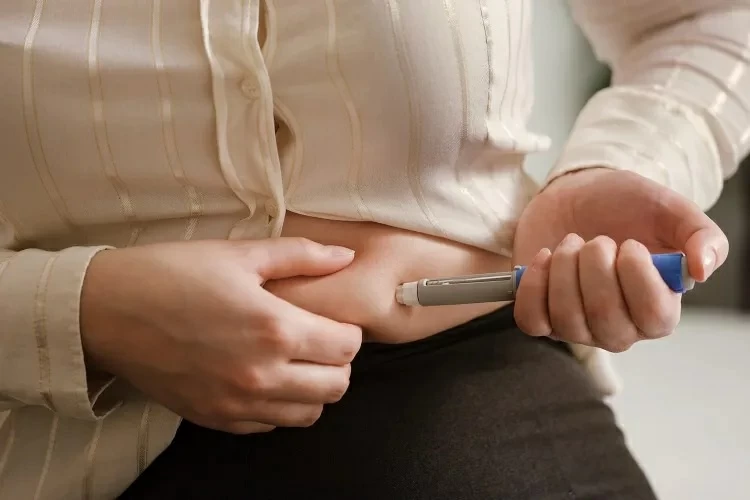
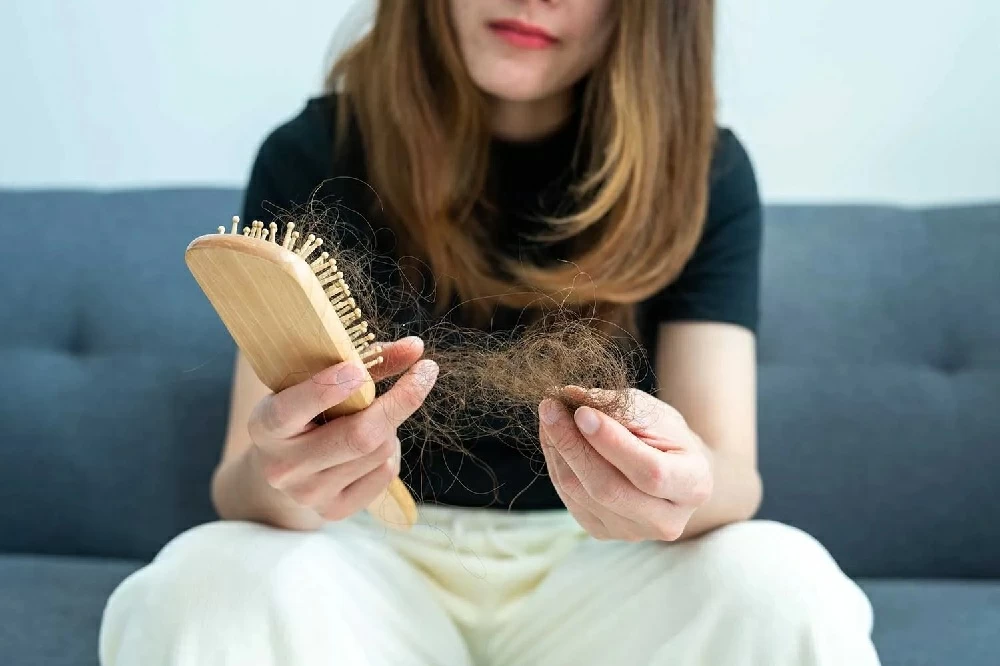
كشفت ثلاث دراسات حديثة عن وجود زيادة طفيفة في خطر الإصابة بتساقط الشعر (الثعلبة) لدى الأشخاص الذين يستخدمون أدوية علاج السمنة والسكري من فئة GLP-1، مقارنة ببعض أدوية السكري الأخرى، مع تأكيد الباحثين أن الخطر لا يزال منخفضًا، وأن فقدان الشعر غالبًا ما يكون مؤقتًا وقابلًا للتحسن.
ووفقًا لدراسة أجراها باحثون في جامعة بنسلفانيا ونُشرت في دورية The BMJ، ارتفعت احتمالات تشخيص الثعلبة بعد مرور عامين أو أكثر من بدء استخدام أدوية GLP-1 بنسبة 37% مقارنة بمستخدمي أدوية SGLT-2، وبنسبة 68% مقارنة بمستخدمي مثبطات DPP-4.
ورغم هذه الزيادة النسبية، أوضح الباحثون أن المعدلات الفعلية لتساقط الشعر ظلت منخفضة، إذ تراوحت بين 3 و9 حالات لكل ألف شخص سنويًا، وشملت الدراسة ما بين 11 ألفًا و15 ألف مريض في كل مجموعة علاجية.
وشملت أدوية GLP-1 التي تناولتها الدراسة كلاً من سيماجلوتيد (Semaglutide)، الذي يُسوّق تحت الاسمين التجاريين ويجوفي (Wegovy) وأوزمبيك (Ozempic)، بالإضافة إلى تيرزيباتيد (Tirzepatide) المعروف باسم زيباوند (Zepbound) ومونجارو (Mounjaro)، إلى جانب أدوية أخرى من الفئة نفسها.
وفي المقابل، تضمنت المقارنة أدوية SGLT-2 مثل إنفوكانا (Invokana) وفاركسيجا (Farxiga) وجارديانس (Jardiance)، بالإضافة إلى أدوية DPP-4 مثل جانوفيا (Januvia) وأونجليزا (Onglyza).
وفي دراسة أخرى نُشرت مؤخرًا في Journal of the American Academy of Dermatology وشملت أكثر من مليون مشارك حول العالم، توصل الباحثون إلى أن مستخدمي أدوية GLP-1 كانوا أكثر عرضة للإصابة بأنواع مختلفة من الثعلبة مقارنة بمستخدمي دواء الميتفورمين، وهو أحد أكثر أدوية السكري استخدامًا.
كما أظهرت دراسة ثالثة، لا تزال في مرحلة المراجعة العلمية، أن خطر تساقط الشعر قد يكون أعلى لدى مستخدمي تيرزيباتيد مقارنة بـ سيماجلوتيد.
قارن الباحثون بيانات 11,046 مريضًا استخدموا تيرزيباتيد مع العدد نفسه من مستخدمي سيماجلوتيد، ليتبين أن معدل الإصابة الجديد بتساقط الشعر بلغ 4.24% لدى مستخدمي تيرزيباتيد، مقابل 3.33% لدى مستخدمي سيماجلوتيد.
وأشارت النتائج إلى أن النساء كنّ الأكثر تأثرًا، حيث بلغت نسبة الإصابة 5.44% بين مستخدمات تيرزيباتيد، مقابل 3.63% بين مستخدمات سيماجلوتيد.
وأكدت الدراسات الثلاث أن تساقط الشعر يُعد من الأعراض التي قد ترافق فقدان الوزن السريع، وغالبًا ما يكون مؤقتًا ويعود الشعر للنمو مجددًا مع استقرار الحالة.
إلا أن الباحثين أوضحوا أن الدراسة الأخيرة أظهرت استمرار ارتفاع خطر تساقط الشعر لدى مستخدمي تيرزيباتيد بغض النظر عن مقدار الوزن المفقود أو جرعة الدواء، وهو ما يشير إلى احتمال وجود عوامل أخرى تفسر هذه الظاهرة.
وقال فينكي ساونداراراجان، الباحث الرئيسي في الدراسة: إن النتائج أظهرت أيضًا أن خطر الإصابة بالثعلبة كان أعلى لدى المرضى الذين يعانون من اضطرابات الغدة الدرقية أو أمراض الغدد الصماء الأخرى، وهو ما قد يعكس دورًا للعوامل الهرمونية أو المناعية أو الجلدية في زيادة احتمالات فقدان الشعر.
وأضاف أن هذه النتائج تدعم أهمية تقديم استشارات طبية فردية ومتابعة المرضى وفق عوامل الخطورة الخاصة بكل حالة، بدلًا من افتراض أن فقدان الوزن وحده هو السبب الحتمي وراء تساقط الشعر.
ورغم هذه النتائج، شدد الباحثون على أن الدراسات ترصد ارتباطًا إحصائيًا بين استخدام أدوية GLP-1 وتساقط الشعر، ولا تثبت بشكل قاطع أن هذه الأدوية هي السبب المباشر، مؤكدين الحاجة إلى مزيد من الأبحاث لفهم الآليات المحتملة وراء هذه الظاهرة.
Three recent studies have revealed a slight increase in the risk of hair loss (alopecia) among individuals using GLP-1 class medications for obesity and diabetes, compared to some other diabetes medications, with researchers confirming that the risk remains low and that hair loss is often temporary and reversible.
According to a study conducted by researchers at the University of Pennsylvania and published in The BMJ, the likelihood of being diagnosed with alopecia increased by 37% after two years or more of using GLP-1 medications compared to SGLT-2 users, and by 68% compared to DPP-4 inhibitors users.
Despite this relative increase, researchers clarified that the actual rates of hair loss remained low, ranging from 3 to 9 cases per thousand people annually, with the study including between 11,000 and 15,000 patients in each treatment group.
The GLP-1 medications discussed in the study included semaglutide, marketed under the trade names Wegovy and Ozempic, as well as tirzepatide, known as Zepbound and Mounjaro, alongside other drugs in the same class.
In contrast, the comparison included SGLT-2 medications such as Invokana, Farxiga, and Jardiance, as well as DPP-4 medications like Januvia and Onglyza.
In another study recently published in the Journal of the American Academy of Dermatology, which included over one million participants worldwide, researchers found that GLP-1 medication users were more likely to experience different types of alopecia compared to users of metformin, one of the most commonly used diabetes medications.
A third study, which is still under scientific review, indicated that the risk of hair loss may be higher among tirzepatide users compared to semaglutide users.
Researchers compared data from 11,046 patients who used tirzepatide with the same number of semaglutide users, revealing that the new incidence rate of hair loss was 4.24% among tirzepatide users, compared to 3.33% among semaglutide users.
The results indicated that women were the most affected, with an incidence rate of 5.44% among tirzepatide users, compared to 3.63% among semaglutide users.
The three studies confirmed that hair loss is one of the symptoms that may accompany rapid weight loss, and it is often temporary, with hair regrowth occurring as the condition stabilizes.
However, researchers clarified that the latest study showed a continued elevated risk of hair loss among tirzepatide users regardless of the amount of weight lost or the medication dosage, suggesting the possibility of other factors explaining this phenomenon.
Vinky Soundararajan, the lead researcher of the study, stated that the results also showed that the risk of alopecia was higher among patients with thyroid disorders or other endocrine diseases, which may reflect a role for hormonal, immune, or dermatological factors in increasing the likelihood of hair loss.
He added that these results support the importance of providing individualized medical consultations and monitoring patients according to the specific risk factors of each case, rather than assuming that weight loss alone is the definitive cause of hair loss.
Despite these findings, researchers emphasized that the studies observe a statistical correlation between the use of GLP-1 medications and hair loss, and do not conclusively prove that these medications are the direct cause, highlighting the need for further research to understand the potential mechanisms behind this phenomenon.