تسارعت وتيرة القلق الدولي خلال الساعات الماضية مع إعلان منظمة الصحة العالمية أن تفشّي فايروس الإيبولا في جمهورية الكونغو الديمقراطية دخل مرحلة «غير مسبوقة»، بعد تسجيل قفزات يومية في الإصابات تُعد الأعلى منذ بداية الأزمة.
وفي تقريرٍ عاجل صدر مساء الجمعة، أكدت المنظمة أن أكثر من 80 إصابة جديدة ظهرت خلال 24 ساعة في بعض المناطق، لترتفع الحصيلة إلى نحو 1,963 إصابة مؤكدة و719 وفاة، وسط تقديرات تشير إلى أن العدد الحقيقي قد يكون أكبر بـ2 إلى 4 مرات؛ بسبب صعوبة الوصول إلى المناطق المتضررة.
وتشير صحف عالمية؛ بينها BBC وThe Guardian وReuters، إلى أن 80% من الإصابات الجديدة تأتي من سلاسل انتقال غير معروفة؛ ما يعني أن الفايروس ينتشر خارج نطاق السيطرة التقليدية، وأن فرق الاستجابة تعمل في «ظلام وبؤر متحركة».
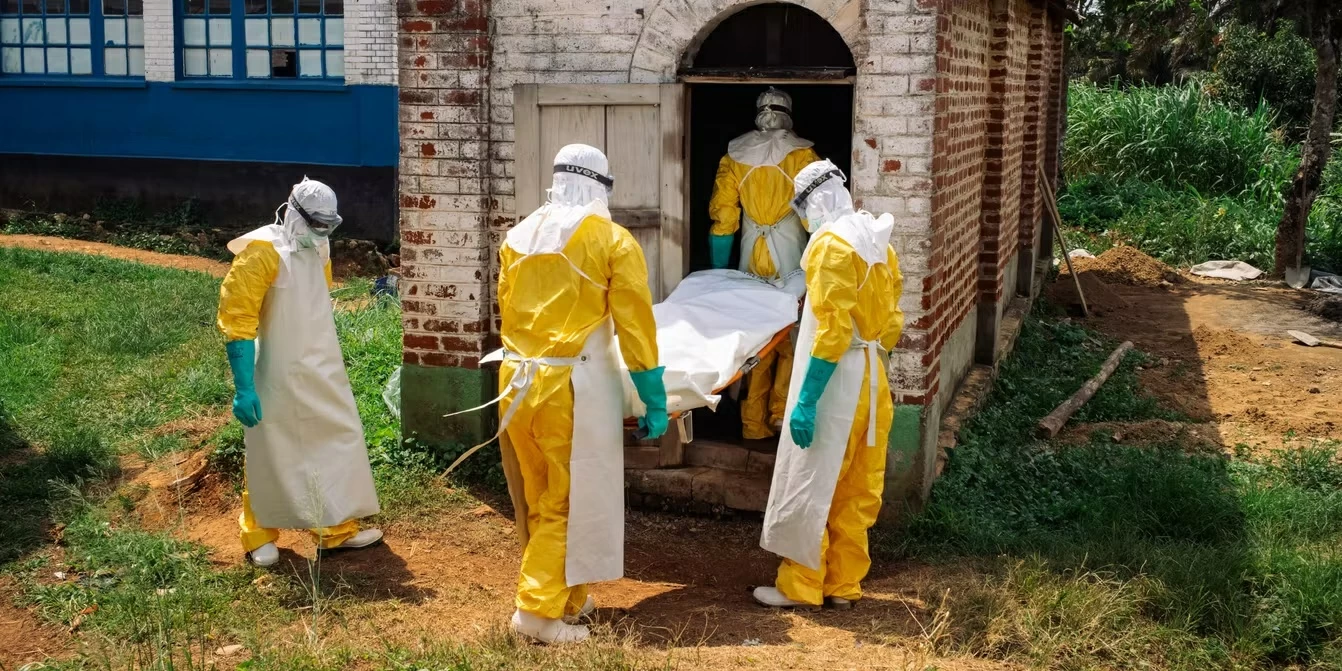
وفي تطور خطير، حذّرت المنظمة الدولية للهجرة من أن نقل جثامين ضحايا الإيبولا بين المناطق أصبح أحد أخطر عوامل انتشار العدوى، إذ يبقى الفايروس نشطًا داخل الجثمان بتركيز مرتفع؛ ما يجعل أي عملية دفن غير آمنة مصدرًا محتملًا لتفشٍّ جديد.
وتزامن ذلك مع إضرابات للعاملين الصحيين في الكونغو بسبب تأخر الرواتب، ما أدى إلى إغلاق بعض مراكز العلاج مؤقتًا، في وقت تُعد فيه كل ساعة حاسمة لاحتواء الفايروس. كما تعرّضت منشآت طبية لهجمات في مناطق النزاع، ما أعاق جهود الاستجابة السريعة.
ورغم الصورة القاتمة، حملت الساعات الأخيرة خبرًا إيجابيًا من أوغندا، حيث أعلن وزير الصحة أن آخر مريض بالإيبولا غادر المستشفى، لتبدأ البلاد العدّ التنازلي لـ42 يومًا قبل إعلانها رسميًا خالية من الفايروس، في خطوة وصفتها الصحافة بأنها «نقطة ضوء في مشهدٍ معتم».
ومع استمرار التفشّي في الكونغو، تتجه الأنظار نحو قدرة المنظمات الصحية على كبح انتشار الفايروس في ظل تحديات أمنية ولوجستية، بينما تبقى الرسالة الأهم واضحة: الإيبولا لا ينتشر بسرعة الفايروسات الشائعة، لكنه يضرب بقوة حين يجد ثغرة.. وثغرات هذا التفشّي كثيرة.
The pace of international concern has accelerated in recent hours with the World Health Organization announcing that the outbreak of the Ebola virus in the Democratic Republic of the Congo has entered a "unprecedented" phase, following daily spikes in infections that are the highest since the beginning of the crisis.
In an urgent report released on Friday evening, the organization confirmed that more than 80 new infections appeared within 24 hours in some areas, raising the total to nearly 1,963 confirmed cases and 719 deaths, amid estimates suggesting that the actual number may be 2 to 4 times higher due to difficulties in accessing affected areas.
Global newspapers, including BBC, The Guardian, and Reuters, indicate that 80% of the new infections come from unknown transmission chains; this means that the virus is spreading beyond traditional control measures, and response teams are operating in "darkness and moving hotspots."
In a serious development, the International Organization for Migration warned that the transport of the bodies of Ebola victims between areas has become one of the most dangerous factors for the spread of infection, as the virus remains active within the corpse at high concentrations; making any burial process an unsafe potential source for a new outbreak.
This coincided with strikes by health workers in Congo due to delayed salaries, which led to the temporary closure of some treatment centers, at a time when every hour is critical for containing the virus. Medical facilities have also been subjected to attacks in conflict areas, hindering rapid response efforts.
Despite the grim picture, the last few hours brought positive news from Uganda, where the health minister announced that the last Ebola patient had left the hospital, allowing the country to begin the countdown of 42 days before officially declaring itself free of the virus, a step described by the press as a "ray of light in a dark scene."
As the outbreak continues in Congo, attention is turning to the ability of health organizations to curb the spread of the virus amid security and logistical challenges, while the most important message remains clear: Ebola does not spread as quickly as common viruses, but it strikes hard when it finds a gap... and there are many gaps in this outbreak.