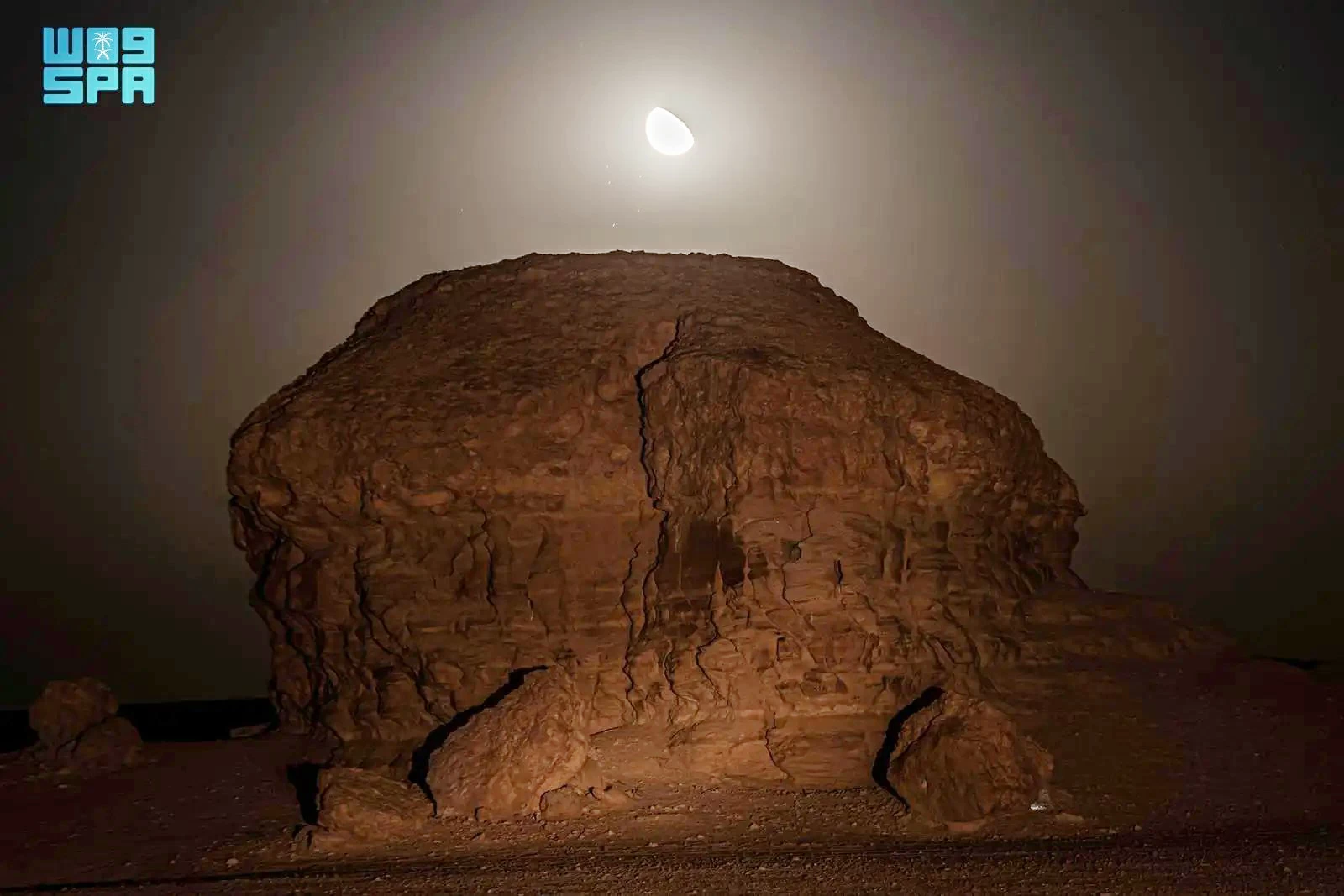
في ظاهرة فلكية تُعرف في الموروث الشعبي العربي باسم «قران 25»، شهدت سماء المملكة فجر أمس، اقتران عنقود الثريا بالقمر، في مشهد يُعدّ من العلامات الزمنية التي اعتمد عليها العرب قديماً في التقويم ومعرفة المواسم، ويشير إلى بداية الشهر الثاني من فصل الصيف وما يصاحبه من اشتداد درجات الحرارة.
وأوضح عضو نادي الفلك محمد عناد الهزيمي، أن «قران 25» يتزامن مع دخول منزلة الجوزاء، ويُعدّ لدى أهل البادية مؤشراً على جمرة القيظ، وهي الفترة التي تبلغ فيها حرارة الصيف ذروتها، ويكثر خلالها هبوب الرياح الحارة (السموم)، مع ارتفاع نسب الرطوبة في المناطق الساحلية ونشاط العواصف البحرية.
وأضاف، أن هذه الفترة تمتد نحو 27 يوماً، وتحظى باهتمام خاص لدى المزارعين، الذين يحرصون خلالها على زيادة معدلات ري المزروعات وسقيها لمواجهة ارتفاع درجات الحرارة والحفاظ على نمو المحاصيل.
وأشار الهزيمي، إلى أن اقتران عنقود الثريا بالقمر من الظواهر الفلكية التي حظيت باهتمام العرب منذ القدم، إذ اعتمدوا عليها في تحديد المواسم وتقلبات الطقس وبدايات الفصول، ضمن منظومة تقويمية دقيقة استندت إلى حركة النجوم ومنازل القمر، ولا تزال هذه الظاهرة تحظى باهتمام المهتمين بالفلك والموروث الشعبي بوصفها مؤشراً طبيعياً على دخول مرحلة مناخية جديدة.
In an astronomical phenomenon known in Arab folklore as "Quran 25," the sky of the Kingdom witnessed the conjunction of the Pleiades cluster with the moon at dawn yesterday. This scene is considered one of the temporal signs that the Arabs relied upon in ancient times for their calendar and understanding of the seasons, indicating the beginning of the second month of summer and the accompanying rise in temperatures.
Mohammed Anad Al-Hazimi, a member of the Astronomy Club, explained that "Quran 25" coincides with the entry into the Gemini phase, and is regarded by the Bedouins as a sign of the peak of summer heat, a period when summer temperatures reach their peak, characterized by the frequent blowing of hot winds (simoom), along with increased humidity in coastal areas and active sea storms.
He added that this period lasts for about 27 days and is of particular interest to farmers, who take special care to increase irrigation rates for their crops to cope with rising temperatures and maintain crop growth.
Al-Hazimi pointed out that the conjunction of the Pleiades cluster with the moon is one of the astronomical phenomena that has attracted the attention of Arabs since ancient times, as they relied on it to determine seasons, weather fluctuations, and the beginnings of the seasons, within an accurate calendrical system based on the movement of stars and lunar phases. This phenomenon continues to attract the interest of those interested in astronomy and folklore as a natural indicator of the onset of a new climatic phase.