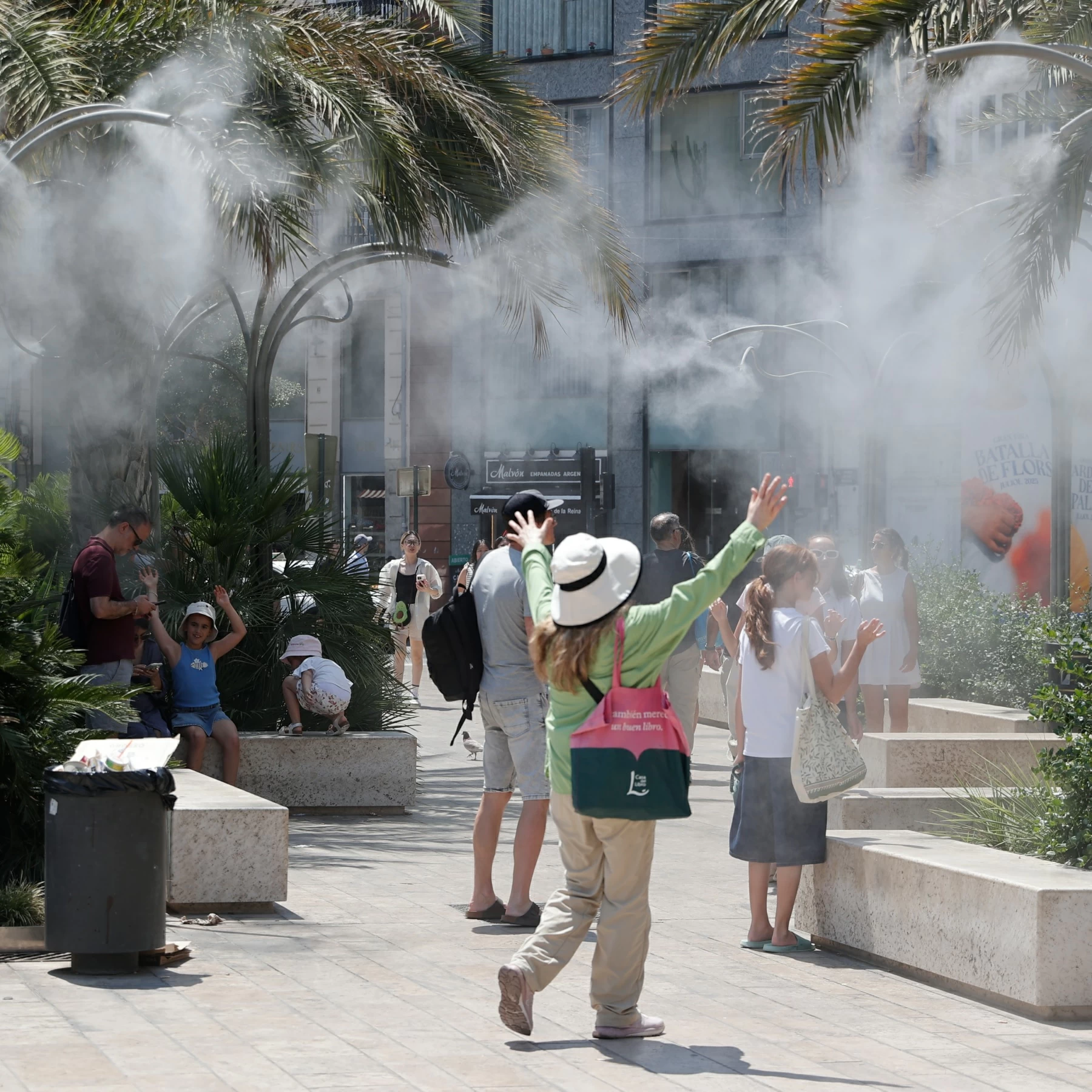
لم يكد سكان إسبانيا يستفيقون من لظى الشهر الماضي، حتى أحكمت الأجواء الصيفية القاسية قبضتها مجدداً على البلاد، لتجدد المخاوف من صيف لاهب قد لا يرحم. ففي مواجهة غليان جوي جديد يجتاح جنوب القارة الأوروبية، سارعت هيئة الأرصاد الجوية الإسبانية أمس إلى تفعيل حالة التأهب القصوى من «المستوى الأحمر» -وهو أعلى مستويات الإنذار وأشدها خطورة- في ثلاث مناطق رئيسية تقع شرقي البلاد، وسط توقعات قاسية بأن تكسر درجات الحرارة حاجز الـ40 مئوية.
مناطق في عين العاصفة الحرارية
وتشير التقارير الجوية إلى أن أقاليم أراغون، وكتالونيا، وفالنسيا ستكون في خط المواجهة الأول، والأكثر تضرراً من هذه الكتلة الهوائية الحارقة التي يُتوقع أن تمتد تداعياتها حتى غد (الخميس). ولم يكن هذا الإنذار مجرد تحذير روتيني؛ بل حمل في طياته تنبيهات شديدة اللهجة من عواقب قد توصف بـ«الخطيرة للغاية» على الصحة العامة وسلامة السكان، فضلاً عن التهديدات المباشرة التي تحيط بالممتلكات والبيئة.
مؤشرات مقلقة
تعد هذه الموجة الثانية من نوعها التي تضرب البلاد هذا الصيف، وتأتي امتداداً لشهر ماضٍ صُنّف رسميًا كـ«ثاني أشد الشهور حرارة» منذ بدء تسجيل البيانات المناخية، مسجلاً قفزة غير طبيعية في متوسط درجات الحرارة تجاوزت المعدل المعتاد بمقدار 3.2 درجة مئوية.
وتأتي هذه التطورات لتثير قلقاً بالغاً لدى السلطات والمواطنين على حد سواء، خصوصاً أن الذاكرة الإسبانية لا تزال مثقلة بمشاهد الصيف الماضي، الذي شهد أسوأ موجة حرائق غابات في تاريخ البلاد الحديث، نتيجة لتبعات التغير المناخي والاحتباس الحراري الذي بات يضرب حوض البحر الأبيض المتوسط بعنف، محولاً غاباته الخضراء إلى وقود للنيران.
The residents of Spain had barely recovered from the scorching heat of last month when the harsh summer weather tightened its grip on the country once again, reigniting fears of a merciless blazing summer. In response to a new atmospheric surge sweeping across southern Europe, the Spanish Meteorological Agency hastily activated the maximum alert status of "red level" - the highest and most dangerous level of warning - in three main regions located in the eastern part of the country, amid severe forecasts that temperatures could break the 40 degrees Celsius barrier.
Regions in the Eye of the Heatwave
Weather reports indicate that the regions of Aragon, Catalonia, and Valencia will be on the front lines, and the most affected by this scorching air mass, which is expected to have repercussions extending until tomorrow (Thursday). This alert was not just a routine warning; it carried strong advisories about consequences that could be described as "extremely dangerous" to public health and the safety of residents, in addition to the direct threats surrounding property and the environment.
Worrying Indicators
This is the second wave of its kind to hit the country this summer, following last month, which was officially classified as "the second hottest month" since climate data recording began, registering an abnormal spike in average temperatures that exceeded the usual rate by 3.2 degrees Celsius.
These developments have raised significant concern among authorities and citizens alike, especially since the Spanish memory is still burdened by the scenes of last summer, which witnessed the worst forest fire wave in the country's modern history, due to the repercussions of climate change and global warming that have been violently impacting the Mediterranean basin, turning its green forests into fuel for fires.