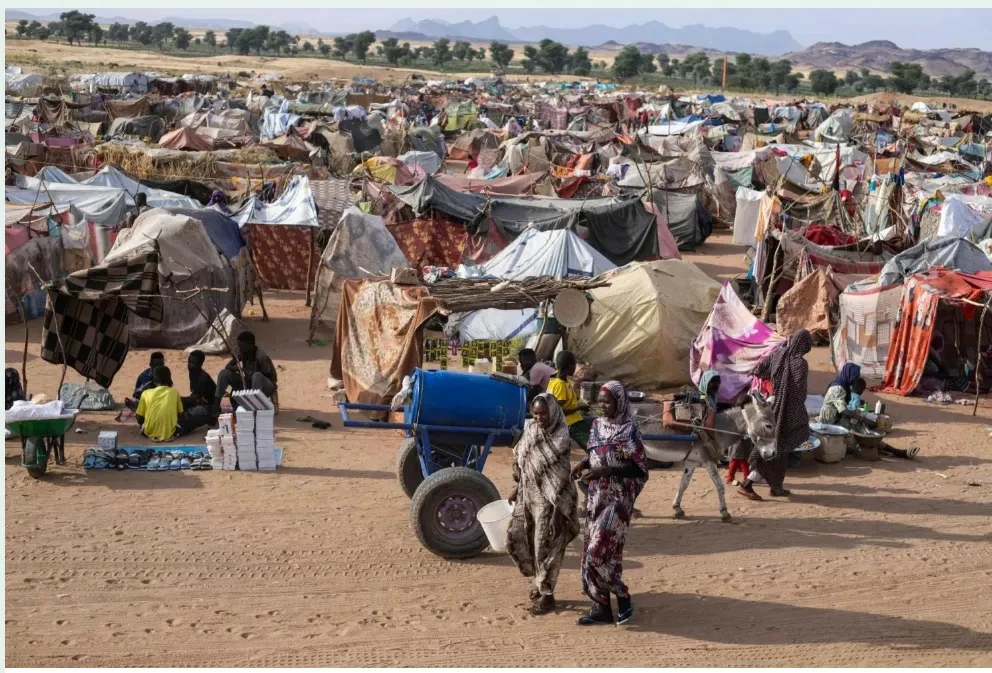
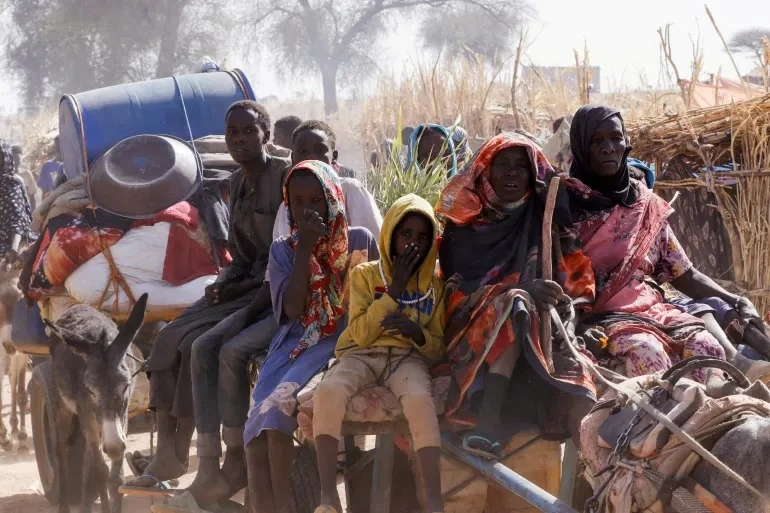
تتفاقم الأزمة الصحية في السودان مع استمرار تفشي وباء الكوليرا في ولاية غرب كردفان، حيث أعلنت هيئة «غرفة طوارئ دار حمر» (الأحد)، وفاة 30 شخصاً وإصابة نحو 800 آخرين منذ بدء انتشار المرض في 20 يونيو الماضي، محذرة من تدهور الأوضاع الصحية ونقص الإمدادات الطبية.
وأوضحت الهيئة في بيان أن الوباء انتشر في محافظتي ود بندة والنهود وعدد من القرى المجاورة، مشيرة إلى أن الإصابات سجلت في أكثر من 25 قرية، في ظل تزايد الحاجة إلى تدخلات صحية وإنسانية عاجلة لاحتواء انتشار المرض.
وأضافت أن مخزون أدوية مرضى السكري في المناطق الشمالية من ولاية غرب كردفان نفد بالكامل، الأمر الذي يضاعف معاناة السكان، خاصة مع محدودية الخدمات الصحية وصعوبة وصول الإمدادات الطبية.
**media«2732744»**
وناشدت الهيئة المنظمات الإنسانية والجهات الصحية المحلية والدولية سرعة التدخل لتوفير الأدوية والمحاليل الوريدية والمستلزمات الطبية اللازمة، إلى جانب تكثيف حملات التوعية للحد من انتشار الوباء، داعية المواطنين إلى الالتزام بالإجراءات الوقائية وإرشادات مكافحة الكوليرا.
وكانت وزارة الصحة السودانية قد أعلنت (الثلاثاء الماضي) تسجيل 911 إصابة بالكوليرا في ولايتي غرب وشمال كردفان، بينها 127 حالة وفاة، في مؤشر على اتساع رقعة انتشار المرض وتفاقم الأزمة الصحية في الإقليم.
ويأتي تفشي الكوليرا في وقت تشهد فيه ولايات كردفان الثلاث أوضاعاً أمنية متدهورة، مع استمرار المواجهات بين الجيش السوداني وقوات الدعم السريع، وهو ما أدى إلى تعطيل الخدمات الأساسية وإضعاف قدرة المرافق الصحية على الاستجابة للحاجات المتزايدة للسكان.
وتشهد السودان منذ اندلاع الحرب بين الجيش السوداني وقوات الدعم السريع في أبريل 2023 تدهوراً حاداً في القطاع الصحي، مع خروج عدد كبير من المستشفيات والمراكز الطبية عن الخدمة، وتضرر شبكات المياه والصرف الصحي، وهو ما هيأ بيئة مواتية لانتشار الأمراض الوبائية، وفي مقدمتها الكوليرا.
وتعد الكوليرا من الأمراض البكتيرية الحادة التي تنتقل غالباً عبر المياه أو الأغذية الملوثة، ويمكن أن تؤدي إلى الوفاة خلال ساعات إذا لم يتلقَّ المصاب العلاج المناسب.
وتؤكد المنظمات الدولية أن تحسين خدمات المياه والصرف الصحي، إلى جانب سرعة توفير المحاليل الوريدية والأدوية، يمثلان العاملين الأساسيين للحد من انتشار المرض وخفض معدلات الوفيات، خاصة في المناطق المتأثرة بالنزاعات والأزمات الإنسانية.
The health crisis in Sudan is worsening as the cholera epidemic continues to spread in West Kordofan, where the "Dar Hamr Emergency Room" announced on Sunday the death of 30 people and the infection of about 800 others since the disease began spreading on June 20, warning of a deterioration in health conditions and a shortage of medical supplies.
The authority clarified in a statement that the epidemic has spread in the provinces of Wad Banda and Al-Nuhud and several neighboring villages, noting that cases have been recorded in more than 25 villages, amid an increasing need for urgent health and humanitarian interventions to contain the spread of the disease.
It added that the stock of diabetes medications in the northern regions of West Kordofan has completely run out, which exacerbates the suffering of the population, especially with limited health services and difficulty in accessing medical supplies.
**media«2732744»**
The authority appealed to humanitarian organizations and local and international health entities for swift intervention to provide necessary medications, intravenous solutions, and medical supplies, in addition to intensifying awareness campaigns to reduce the spread of the epidemic, urging citizens to adhere to preventive measures and cholera control guidelines.
The Sudanese Ministry of Health had announced last Tuesday the registration of 911 cholera cases in West and North Kordofan, including 127 deaths, indicating the widening spread of the disease and the worsening health crisis in the region.
The cholera outbreak comes at a time when the three Kordofan states are experiencing deteriorating security conditions, with ongoing clashes between the Sudanese army and the Rapid Support Forces, which has led to the disruption of essential services and weakened the ability of health facilities to respond to the increasing needs of the population.
Since the outbreak of war between the Sudanese army and the Rapid Support Forces in April 2023, Sudan has witnessed a sharp deterioration in the health sector, with a large number of hospitals and medical centers going out of service, and damage to water and sewage networks, creating a conducive environment for the spread of epidemic diseases, foremost among them cholera.
Cholera is one of the acute bacterial diseases that is often transmitted through contaminated water or food, and can lead to death within hours if the infected person does not receive appropriate treatment.
International organizations emphasize that improving water and sanitation services, along with the rapid provision of intravenous solutions and medications, are the two essential factors in reducing the spread of the disease and lowering mortality rates, especially in areas affected by conflicts and humanitarian crises.