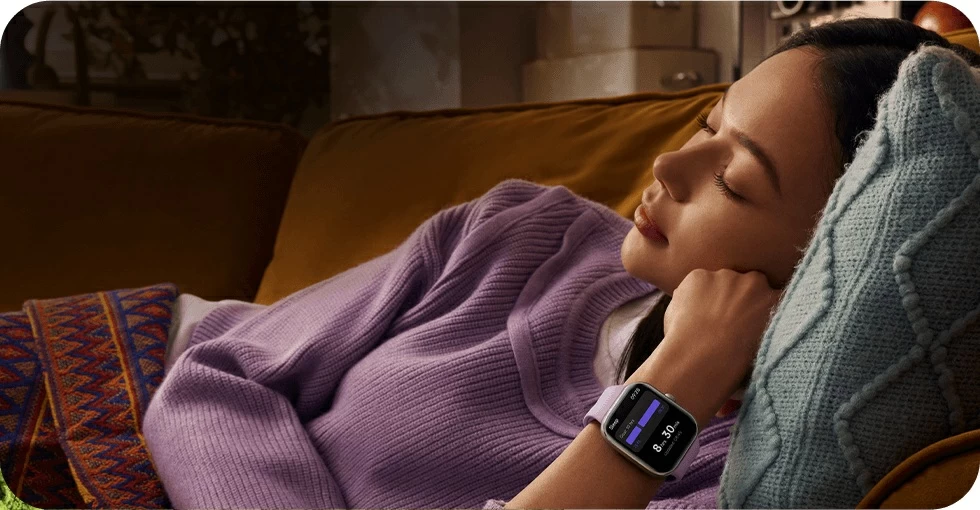
تزداد قدرة الأجهزة القابلة للارتداء على رصد مؤشرات اضطرابات النوم؛ وبينها انقطاع النفس أثناء النوم، وهو اضطراب خطير يتسبب في توقف التنفس لثوانٍ متكررة خلال الليل، ما يؤدي إلى إرهاق شديد رغم الحصول على ساعات نوم كافية.
ورغم أن التشخيص الطبي يتطلب فحوصات متخصصة داخل مختبرات النوم، فإن بعض الساعات الذكية باتت توفر أدوات أولية تساعد المستخدمين على اكتشاف علامات محتملة تستدعي مراجعة الطبيب.
وتعتمد هذه الأجهزة على تتبع أنماط التنفس أثناء النوم، ورصد الاضطرابات التي قد تشير إلى حالات متوسطة أو شديدة من انقطاع النفس.
وتختلف آليات العمل بين الشركات، إلا أن معظمها يتطلب تسجيل بيانات النوم لعدة ليالٍ متتالية قبل إصدار أي تنبيه. وتعرض الساعات النتائج ضمن تطبيقات الصحة المرافقة، مع تصنيف الاضطرابات وفق مستويات محددة.
ورغم توفر ميزات مشابهة لدى عدد من الشركات الأخرى، فإن كثيرًا منها لا يحمل اعتمادًا طبيًا رسميًا، ويقتصر دوره على تقديم مؤشرات عامة لا ترقى إلى مستوى التشخيص. وتبقى مراجعة الطبيب خطوة أساسية لتأكيد الإصابة ووضع خطة علاج مناسبة، فيما تستمر الأجهزة القابلة للارتداء في لعب دور داعم عبر توفير بيانات أولية تساعد على الكشف المبكر.
The capabilities of wearable devices to monitor indicators of sleep disorders are increasing; among them is sleep apnea, a serious condition that causes breathing to stop for repeated seconds during the night, leading to severe fatigue despite getting enough hours of sleep.
Although medical diagnosis requires specialized tests within sleep laboratories, some smartwatches now provide basic tools to help users detect potential signs that warrant a visit to the doctor.
These devices rely on tracking breathing patterns during sleep and monitoring disturbances that may indicate moderate or severe cases of apnea.
The mechanisms of operation vary between companies, but most require recording sleep data for several consecutive nights before issuing any alerts. The watches display the results within accompanying health applications, categorizing disturbances according to specific levels.
Despite similar features being available from several other companies, many of them do not carry official medical approval and are limited to providing general indicators that do not reach the level of diagnosis. Consulting a doctor remains a crucial step to confirm the condition and develop an appropriate treatment plan, while wearable devices continue to play a supportive role by providing preliminary data that aids in early detection.