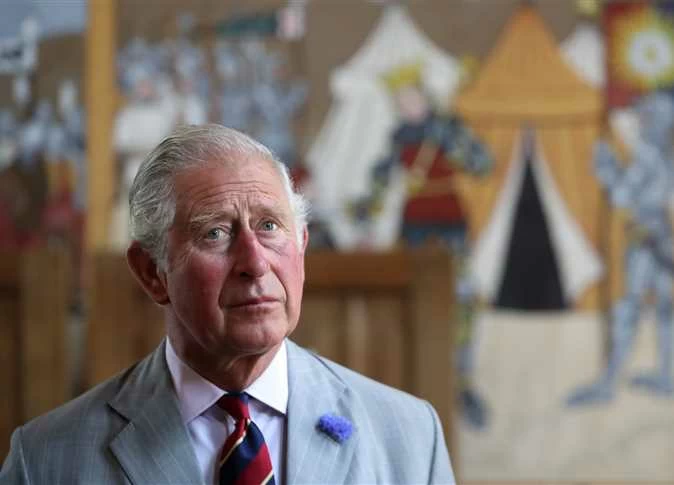
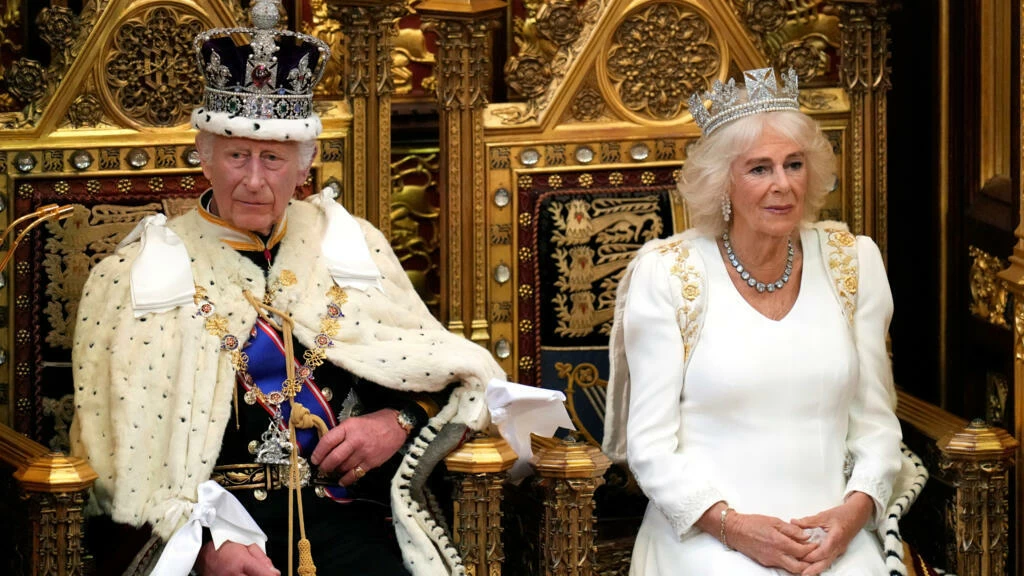
كشف تقرير «المنحة الملكية» الصادر عن قصر باكنغهام عن تعديل جديد في الصياغة الرسمية للدور الديني للعاهل البريطاني الملك تشارلز الثالث، في خطوة تعكس توجهاً نحو إبراز دوره بوصفه حامياً للتعدد الديني داخل المجتمع البريطاني.
صياغة جديدة
وبحسب التقرير، بات الملك تشارلز الثالث، إلى جانب صفته «الحاكم الأعلى لكنيسة إنجلترا»، يُعرَّف بأنه مسؤول عن «حماية مساحة الإيمان داخل دولة متعددة الأديان»، في توصيف يوسع الإطار الرمزي لدوره ليشمل أصحاب مختلف المعتقدات الدينية في المملكة المتحدة.
ويختلف هذا الوصف عن الصياغة السابقة التي ركزت بصورة أكبر على دور الملك باعتباره «رأس الأمة» و«المدافع عن الإيمان»، إلى جانب رئاسته كنيسة إنجلترا، بينما يبرز النص الجديد مفهوم حماية التعدد الديني والتعايش بين مختلف الطوائف.
تحولات مجتمعية
وأشار التقرير إلى أن التعديل يعكس التحولات الاجتماعية والديموغرافية التي شهدتها بريطانيا خلال العقود الأخيرة، في ظل تنامي التنوع الديني ووجود ملايين المواطنين من أتباع الديانات المختلفة، بينهم المسلمون والهندوس والسيخ واليهود والمسيحيون.
نهج مستمر
وأكد قصر باكنغهام أن الملك تشارلز الثالث يواصل اهتمامه بالحوار بين الأديان، وهو نهج تبناه منذ أن كان أميراً لويلز، إذ دعم العديد من المبادرات الرامية إلى تعزيز التفاهم والتقارب بين مختلف المجتمعات الدينية داخل بريطانيا وخارجها.
كما أوضح التقرير أن الملك يواصل أداء مهماته الدستورية والدينية التقليدية، إلى جانب دعمه الأعمال الخيرية، وتعزيز التماسك الاجتماعي، وتقديم الدعم الروحي للقوات المسلحة البريطانية.
لقب تاريخي
ويأتي هذا التحديث في وقت يتواصل النقاش داخل بريطانيا حول الدور الرمزي للمؤسسة الملكية في مجتمع متعدد الثقافات والأديان، وكيفية المواءمة بين المكانة التاريخية للعاهل بوصفه الحاكم الأعلى لكنيسة إنجلترا، وبين تمثيله جميع المواطنين بمختلف معتقداتهم.
ويحمل العاهل البريطاني منذ القرن الـ16 لقب «الحاكم الأعلى لكنيسة إنجلترا»، إضافة إلى لقب «المدافع عن الإيمان»، الذي مُنح للملك هنري الثامن عام 1521، وظل جزءاً من الألقاب الرسمية لملوك بريطانيا حتى اليوم، رغم الانفصال اللاحق بين التاج البريطاني والكنيسة الكاثوليكية.
The report from the "Royal Grant" issued by Buckingham Palace revealed a new amendment in the official wording regarding the religious role of the British monarch, King Charles III, in a move that reflects a trend towards highlighting his role as a protector of religious pluralism within British society.
New Wording
According to the report, King Charles III, in addition to his title as "Supreme Governor of the Church of England," is now defined as responsible for "protecting the space for faith within a multi-religious state," a description that expands the symbolic framework of his role to include individuals of various religious beliefs in the United Kingdom.
This description differs from the previous wording that focused more on the king's role as "head of the nation" and "defender of the faith," alongside his presidency of the Church of England, while the new text emphasizes the concept of protecting religious pluralism and coexistence among different sects.
Social Transformations
The report noted that the amendment reflects the social and demographic transformations that Britain has witnessed in recent decades, amid the growing religious diversity and the presence of millions of citizens from different faiths, including Muslims, Hindus, Sikhs, Jews, and Christians.
Ongoing Approach
Buckingham Palace confirmed that King Charles III continues to be interested in interfaith dialogue, an approach he has embraced since he was the Prince of Wales, as he supported numerous initiatives aimed at promoting understanding and rapprochement among various religious communities within Britain and beyond.
The report also clarified that the king continues to perform his traditional constitutional and religious duties, alongside supporting charitable work, promoting social cohesion, and providing spiritual support to the British armed forces.
Historical Title
This update comes at a time when discussions continue within Britain regarding the symbolic role of the monarchy in a multicultural and multi-religious society, and how to reconcile the historical status of the monarch as the Supreme Governor of the Church of England with representing all citizens of various beliefs.
The British monarch has held the title of "Supreme Governor of the Church of England" since the 16th century, in addition to the title "Defender of the Faith," which was granted to King Henry VIII in 1521, and has remained part of the official titles of British monarchs to this day, despite the subsequent separation between the British crown and the Catholic Church.